History
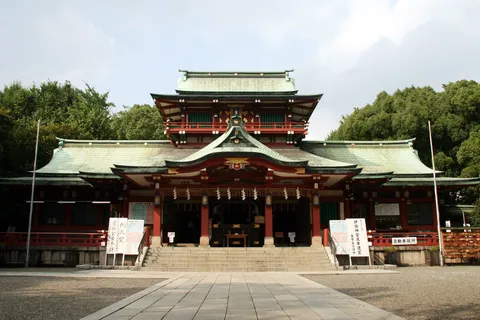
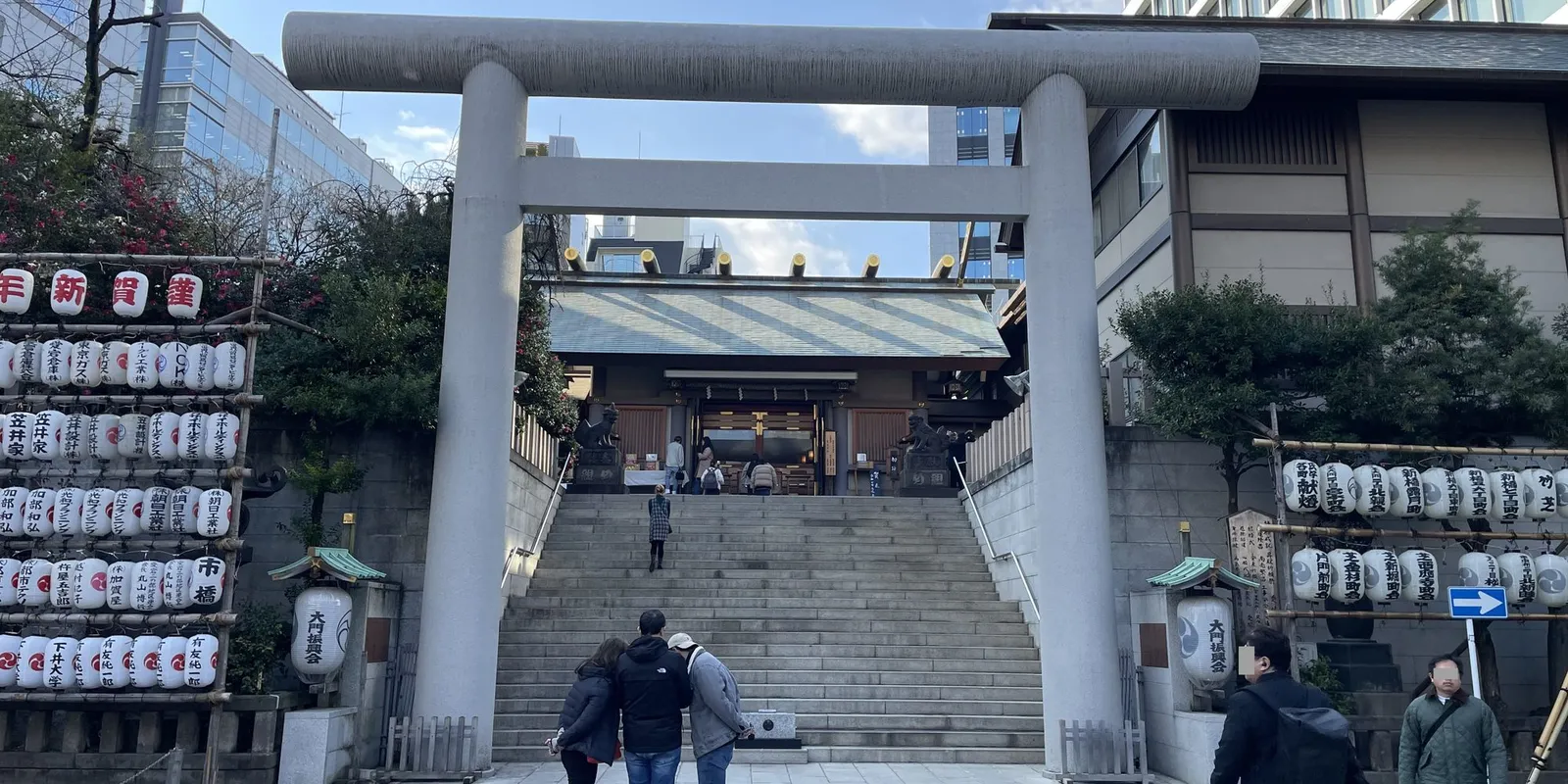
Shiba Daijingu is an ancient shrine traditionally said to have been founded in 1005, during the Heian period. Because it enshrines Amaterasu Sume Okami — principal deity of Ise Jingu’s Inner Shrine — together with Toyouke no Okami, principal deity of the Outer Shrine, it came to be widely known during the Edo period as “Ise of the Kanto region.” A pilgrimage to Ise Jingu was, for most commoners of the time, a once-in-a-lifetime dream — one that was simply out of reach for many. Worshipping at Shiba Daijingu, which enshrined the very same deities, was believed to confer the same divine blessings, earning the shrine the affectionate nickname “Living Ise” (iki-Ise): a place where the grace of Ise could be received without ever leaving Edo.
During the Edo period the shrine received the patronage of the Tokugawa shogunate, which is said to have repeatedly funded the construction and repair of its shrine buildings. In 2020 the shrine marked the 1,015th anniversary of its enshrinement, and it continues today, in the Shibadaimon district of Minato Ward, to welcome worshippers as “Ise of the Kanto region.”
Highlights
The single greatest highlight of Shiba Daijingu is its main annual festival, the Daradara Matsuri, held every September. Running for 11 consecutive days from September 11 to 21, it is one of the longest festival periods anywhere in Tokyo; food stalls line the grounds and approach throughout the festival, drawing large crowds of visitors.
Also worth seeing is the chigibako, a lucky charm distributed at the shrine. A small, oval, coin-shaped box made of thin hinoki cypress boards, its name plays on the word for “growing collection of kimono” (senki), making it a traditional charm for women’s happiness and good relationships. Originally available only during the Daradara Matsuri, it is now distributed year-round. The grounds also preserve chikaraishi, “strength stones” once used to test young men’s physical strength — a quiet reminder of the everyday life of Edo-period commoners.
Visiting Tips
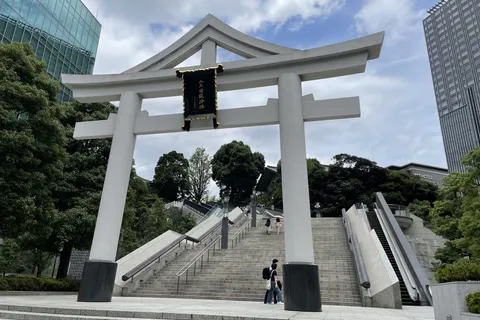
The gates are open 8:30–17:00, and goshuin are available 9:00–17:00 for ¥500. Free parking for about 15 cars is available in front of the torii, though it becomes unavailable when full or chained off, in which case a nearby paid lot is the best option. The shrine gets especially crowded during the Daradara Matsuri, so an early weekday morning visit is recommended for those who prefer a quieter experience. Both JR Hamamatsucho Station and Toei Daimon Station are within a 5-minute walk, making the shrine an easy stop amid Minato Ward’s business district.
Annual Festivals
- Daradara Matsuri (September 11–21): The shrine’s main annual festival and one of the longest in Tokyo, also known as the Ginger Festival (Shoga Matsuri) for the ginger once grown in the surrounding fields and sold and offered during the celebration.
- Chigibako distribution (year-round): Once available only during the Daradara Matsuri, this lucky charm for women’s happiness and good relationships is now distributed throughout the year.
- New Year’s Day rites and hatsumode (from January 1): The year’s first visits draw large crowds of worshippers from the surrounding business district.
- Monthly rites (1st and 15th of each month): Regular ceremonies praying for ongoing prosperity and safety.
Nearby Food & Sightseeing
- Zojoji Temple: A major temple that served as the funerary temple of the Tokugawa shogunate, within walking distance of Shiba Daijingu. Its grounds, set against the backdrop of Tokyo Tower, are a popular sightseeing spot.
- Tokyo Tower: One of Tokyo’s most iconic landmarks, within walking distance of the shrine. Its observation deck offers sweeping views over the Shiba and Hamamatsucho area.
- Hamamatsucho Station Area: An office district that nonetheless has plenty of long-established teishoku (set-meal) restaurants and izakaya, making it easy to find a meal after visiting the shrine.
Frequently Asked Questions
- Q. Why is Shiba Daijingu called "Living Ise"?
- A. Shiba Daijingu enshrines Amaterasu Sume Okami and Toyouke no Okami, the same deities worshipped at Ise Jingu's Inner and Outer Shrines. During the Edo period, commoners who could not make the long pilgrimage to Ise came to believe they could receive the same divine blessings by worshipping here instead, earning the shrine the nicknames "Ise of the Kanto region" and "Living Ise" (iki-Ise) — meaning Ise's grace could be received without ever leaving Edo.
- Q. What is the Daradara Matsuri at Shiba Daijingu?
- A. It's the shrine's annual autumn festival, held over 11 consecutive days from September 11 to 21 — one of the longest festival periods in Tokyo, hence its nickname "daradara" (long, drawn-out). Because ginger was once grown in the surrounding area and sold at the festival, it's also known as the Ginger Festival (Shoga Matsuri).
- Q. What are the goshuin hours and fee at Shiba Daijingu?
- A. Goshuin are available 9:00–17:00 for ¥500; a small ginger candy is sometimes included with the goshuin.
- Q. Is there parking at Shiba Daijingu?
- A. Yes, free parking for about 15 cars is available in front of the torii gate. When it's full or chained off, use a nearby paid parking lot instead.
- Q. How do I get to Shiba Daijingu?
- A. It's a 5-minute walk from the north exit of JR Hamamatsucho Station, a 1-minute walk from Exit A6 of Daimon Station on the Toei Oedo and Asakusa Lines, or a 5-minute walk from Onarimon Station on the Toei Mita Line.