History
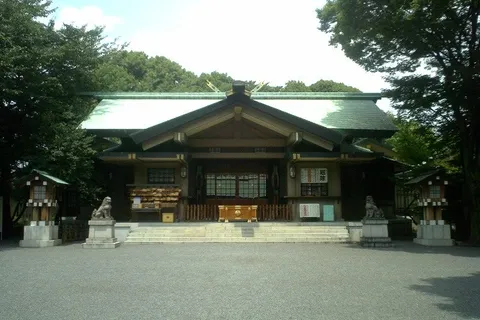
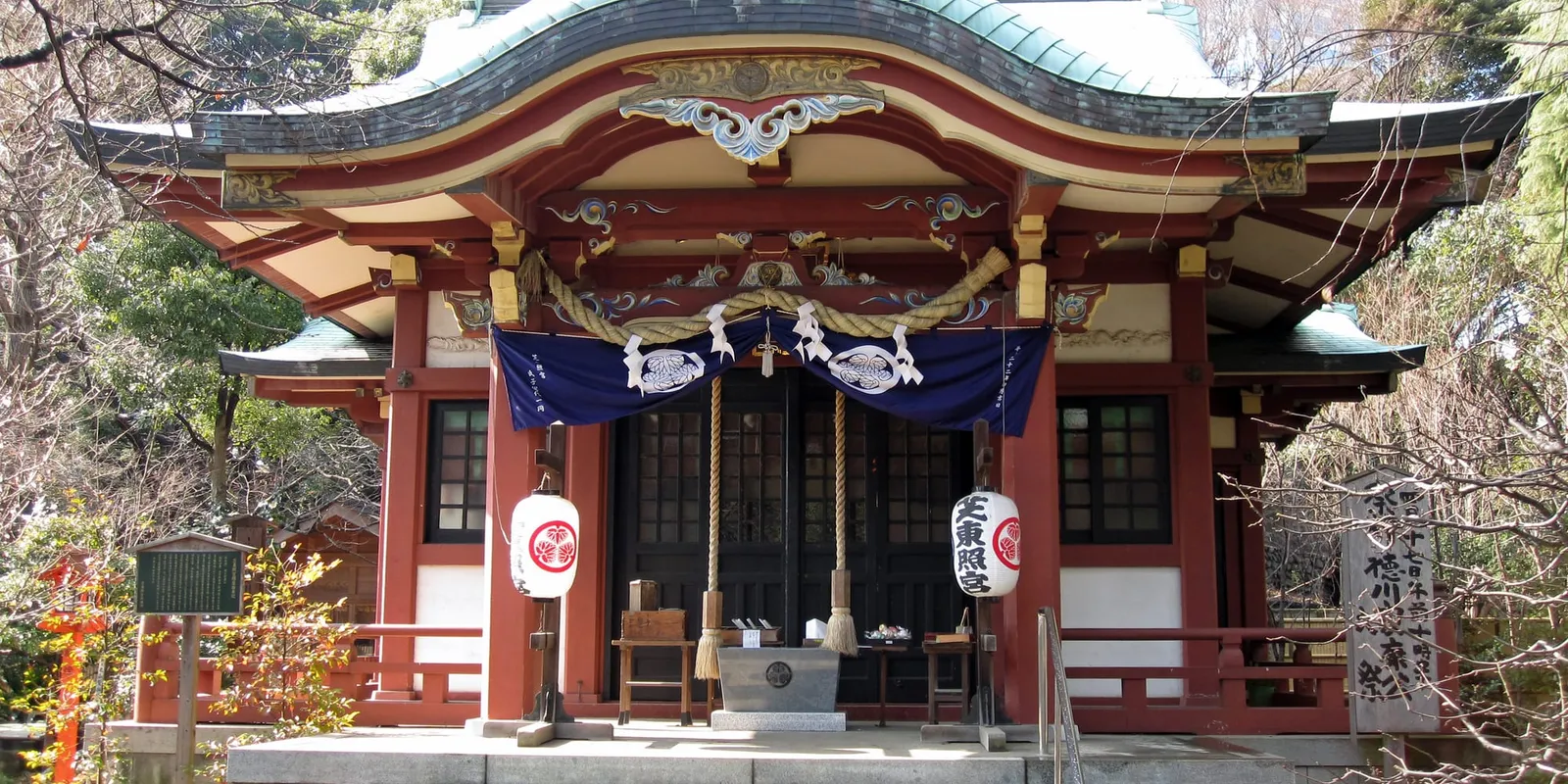
Shiba Toshogu is a shrine in Shibakoen, Minato Ward, Tokyo, that enshrines Tokugawa Ieyasu. The official site’s history page explains that the shrine was originally invoked and enshrined within the grounds of Zojo-ji. The official access page gives the founding as 1617 (Genna 3), the principal deity as Tokugawa Ieyasu, and the shrine rank as gosha.
According to the history page, Zojo-ji was designated the Tokugawa family temple in 1590 (Tensho 18), when Ieyasu entered Edo. It was then at Hibiya and moved to its present site in 1598 (Keicho 3) during the expansion of Edo Castle. The official site says the mausoleum hall for Ieyasu inside Zojo-ji was generally called “Ankokuden,” after Ieyasu’s posthumous Buddhist name.
The object of worship is a life-size statue that Ieyasu, on turning 60 in the first month of 1601 (Keicho 6), ordered carved himself. The official site says he performed rites for the statue himself at Sunpu Castle during his lifetime. On his deathbed he reportedly told a Zojo-ji priest who came to visit him, “Enshrine the statue at Zojo-ji, and it will protect the nation for all time,” and left instructions that the statue be enshrined there; it is said to have been escorted from Sunpu by Doi Toshikatsu, the construction magistrate. The official site lists “the sacred statue (Tokyo Metropolitan Important Cultural Property)” among the shrine’s treasures.
According to Japanese Wikipedia, nearly all of the buildings were lost in the air raid of May 25, 1945, but the statue and the sacred ginkgo survived, and the present main hall was rebuilt in 1969 (secondary source, so please also consult the shrine’s own information).
Highlights
Among the shrine’s treasures, the official site lists a “great ginkgo (hand-planted by Iemitsu; natural monument).” It is a large ginkgo said to have been planted by Tokugawa Iemitsu himself. Japanese Wikipedia describes it as a Tokyo Metropolitan natural monument. The official site gives no figure for the tree’s age.
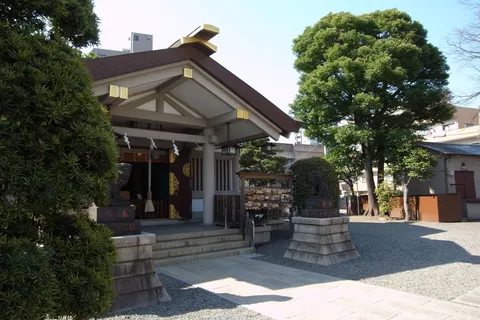
Of the enshrined deity Tokugawa Ieyasu, the official site says he is worshipped as a god of victory, draws many visitors, and is popular as an “oasis in the city.” The shrine crest is the three-leaf hollyhock associated with the Tokugawa family. The subsidiary shrine (branch enshrinement) Maruyama Inari is also on the grounds.
The official site also notes that it is a mysterious but well-known fact that the cherry trees on the grounds are in full bloom around the April 17 annual festival. The site also has a Shinto wedding page, which recommends the shrine for a quiet ceremony for two or for a small party in a natural setting.
Visiting Tips
The official site does not state visiting hours. GO TOKYO, the Tokyo tourism site, lists the shrine as open every day of the year and free, but gives no hours. The grounds are surrounded by greenery in Shiba Park.
The official site does not mention goshuin. One guide article says they are available at the shrine office for ¥500 (9:00 AM–4:30 PM as of August 2018), but this may be out of date. Before you go, it is safest to confirm with the number shown on the official site (03-3431-9658), which the official site describes as a direct line to the Shiba Daijingu shrine office.
The shrine is right at Exit A4 of Shibakoen Station on the Toei Mita Line, 2 minutes from Onarimon Station, 5 minutes from Daimon Station, and 12 minutes on foot from JR Hamamatsucho Station (official site). The official site gives no parking information, so public transport is convenient.
Annual Festivals
- Annual festival (Reitaisai, April 17): Per the official site, it is attended by more than a hundred guests, including members of the Tokugawa head family and government representatives. Under the double cherry blossoms, volunteer members of the Omotesenke 柴門会 (Shibamon-kai; reading not verified) serve tea at a special outdoor tea area, and the Shiba Daijingu Ise Ondo Preservation Society offers Ise Ondo and other dances.
- Monthly rite (17th of every month, 1:00 PM): The official history page says it is held at 1:00 PM on the 17th of each month.
No other annual events could be confirmed on the official site, so none are listed. For the latest information, contact the official site or the shrine office.
Nearby Food & Sightseeing
- Zojo-ji: The temple within whose grounds Shiba Toshogu was first enshrined, and the Tokugawa family temple. According to GO TOKYO, its grounds hold the graves of six Tokugawa shoguns, and Tokyo Tower is said to be visible from there without obstruction.
- Shiba Park: The central-Tokyo park in which the shrine stands. GO TOKYO also recommends it as a place for a stroll.
- Shiba Daijingu: A shrine named on Shiba Toshogu’s official site as the contact for phone inquiries (shrine office direct line), and listed among the partner banners there. It is in the same ward, Minato.
Frequently Asked Questions
- Q. What are the visiting hours?
- A. The official site does not state visiting hours. GO TOKYO, the Tokyo tourism site, lists the shrine as open every day of the year and free to enter, but gives no hours (it notes they may vary by season). To be sure, call the number given on the official site (the Shiba Daijingu shrine office direct line, 03-3431-9658).
- Q. Can I get a goshuin at Shiba Toshogu?
- A. Guide articles say goshuin are available at the shrine office on the grounds, and one article gives ¥500 with hours of 9:00 AM–4:30 PM (as of August 2018). However, the official site states neither a fee nor hours, and that information may be out of date. It is safest to confirm by phone before you go.
- Q. How do I get there, and is there parking?
- A. It is right at Exit A4 of Shibakoen Station on the Toei Mita Line, and 2 minutes on foot from Exit A1 of Onarimon Station. It is also 5 minutes from Daimon Station (Exit A6), 7 minutes from Akabanebashi Station on the Oedo Line, and 12 minutes on foot from JR Hamamatsucho Station (per the official site). The official site does not mention parking, so coming by public transport is convenient.
- Q. What is the life-size statue of Ieyasu?
- A. According to the official site, the object of worship is a life-size statue that Tokugawa Ieyasu himself ordered carved when he turned 60, in the first month of 1601 (Keicho 6). The official site calls it a Tokyo Metropolitan Important Cultural Property. It explains that, following Ieyasu's last wishes, the statue was escorted from Sunpu to Zojo-ji.
- Q. When is the annual festival?
- A. Per the official site, the annual festival (Reitaisai) is held on April 17, when the double cherry blossoms on the grounds are in bloom. The site describes tea served at a special outdoor tea area and offerings of Ise Ondo dances by the Shiba Daijingu Ise Ondo Preservation Society. Details may change from year to year, so check the official site or call to confirm.
Plan Your Visit
Before you go, you can book a stay and get your shrine-visit items ready.
Amazon links open Amazon.co.jp (Japan) in English; whether an item ships overseas depends on the product.
※ Contains ads (PR). Links open external sites such as Amazon, Rakuten, Trip.com and Booking.com.