History
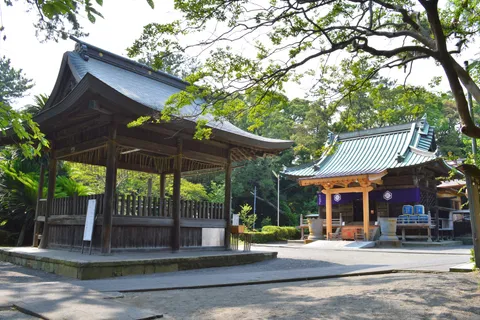
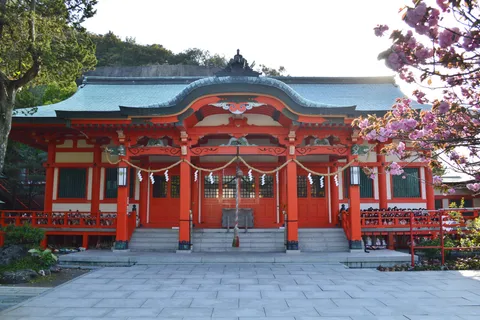
Shizuoka Sengen Shrine stands at the foot of Mount Shizuhata in Aoi Ward, Shizuoka City. Its name is read “Shizuoka Sengen-jinja,” and locals fondly call it “Osengen-sama.” According to the official site, it is the collective name for Kanbe Shrine and Asama Shrine (two shrines sharing one hall) and Otoshimioya Shrine, and it has long been revered as the sogusha of Suruga Province and the chief shrine of Shizuoka. Four auxiliary shrines (Hayama, Yachihoko, Sukunahikona and Tamahoko) also stand in the grounds. It is a different shrine from Fujisan Hongu Sengen Taisha in Fujinomiya, also in Shizuoka Prefecture.
Kanbe Shrine is said to have been enshrined in the reign of Emperor Sujin (about 2,100 years ago) as the founding deity of Suruga’s development. It is an Engishiki-listed shrine, and is said to have become the sogusha of Suruga Province in the Heian period (the chief deity is Onamuchi no Mikoto). Asama Shrine is the “Fuji Shingu,” split off from Fujisan Hongu in 901 (Engi 1) by imperial request of Emperor Daigo, and its chief deity is Konohanasakuya-hime no Mikoto. Otoshimioya Shrine is said to have been founded in 273 (the 4th year of Emperor Ojin) as the guardian of the Abe market, and is described as the land-owning deity of Shizuoka City (the chief deity is Otoshimioya no Mikoto). All of this is the shrine’s own account of its history on the official site.
The official site says that the Imagawa clan protected the shrine as their tutelary shrine, and that Takechiyo (the future Tokugawa Ieyasu), then a hostage, held his coming-of-age ceremony here with Imagawa Yoshimoto as his sponsor; later the Tokugawa clan revered it deeply. The present group of buildings was rebuilt over more than 60 years from 1804 (Bunka 1), after the shrine buildings were damaged by fires in the town in both the An’ei and Tenmei eras. The official site records that it was a Tokugawa shogunate-run project costing 100,000 ryo in the money of the day. It also notes that the shrine has long been called “the Nikko of the Tokai region,” because Kaibara Ekiken’s Azumaji no Ki says that, for the beauty of shrines in Japan, Nikko comes first and Asama second.
Highlights
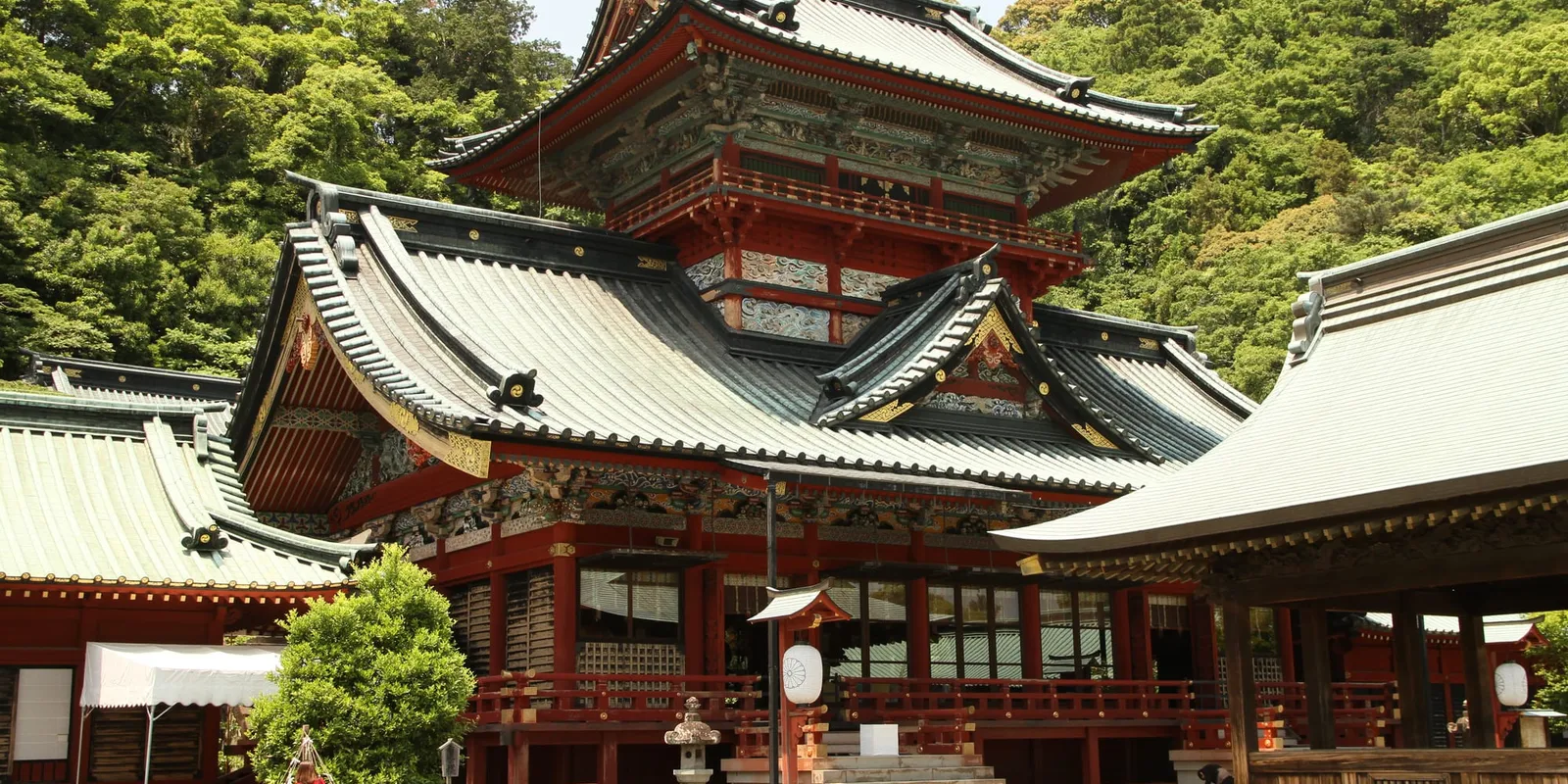
The main attraction is the group of lacquered, brilliantly colored buildings. According to the official site, 24 shrine buildings were designated Important Cultural Properties in 1971 (Showa 46), and the treasure house and the sacred stable were designated in 1999 (Heisei 11). The centerpiece is the Ohaiden (great worship hall), the worship hall of both Kanbe and Asama shrines. It is a three-tiered, two-story pavilion-style building (the “Sengen-zukuri” style), 25 m high, with an interior of 132 tatami mats. The official site calls it “a great building unparalleled in Japan.” The ceiling is said to carry paintings by Kano Eishin and Kano Hironobu, including the “dragon glaring in all directions” and the “karyobinga” (a celestial bird).
The Romon (two-story gate) is fully lacquered, with a plaque reading “Tokoku Sosha / Fuji Shingu” on its upper level, and carvings such as the “water-drinking dragon” and the “tigress crossing the river with her cubs.” The official site says the carvings of the shrine buildings involved the Tachikawa Washiro family of Suwa, Shinano, across three generations. Beside the gate stands a monument to Kan’ami, regarded as the founder of Noh. The official site explains that Kan’ami was invited by the Imagawa clan, offered Noh before the shrine, and that this is known as his last stage performance.
The grounds also hold a Cultural Properties Museum that displays items such as finds from the Shizuhatayama Kofun, a round burial mound said to date from around the 6th century and designated a national historic site (per the official guide to the grounds). The official site says that Kanbe Shrine is revered for longevity, good relationships and protection from misfortune, and Asama Shrine for safe childbirth, blessings of children and harmony in marriage. Sukunahikona Shrine is described as the only shrine of the medicine deity in the prefecture, revered for recovery from illness, and Yachihoko Shrine as a deity of good fortune and victory.
Visiting Tips
The official site does not list visiting hours for the grounds; a regional info site gives 7:00 AM–6:00 PM. Prayer services are accepted from 9:00 AM, with the last service at 4:00 PM, and no reservation is needed. The offering starts from ¥5,000 for individuals and ¥10,000 for groups and companies. A major renovation (the “Heisei Great Renovation”) is under way, and according to the official site, prayer services are currently held in the worship hall of Otoshimioya Shrine. The fee and hours for goshuin are not given on the official site (a regional info site lists ¥300).
The stone torii stands in front of Kanbe and Asama shrines (Hase-dori side) and the red torii in front of Otoshimioya Shrine (Sengen-dori side). The official site says both are main approaches, and that it is best to visit both main shrines.
It is about 8 minutes by bus from bus stop 9 at JR Shizuoka Station to “Akatorii Sengen Jinja Iriguchi.” The first parking lot has 80 spaces, but with a 30-minute limit, and because the area is very crowded at New Year’s, during the Hatsukae Festival and during Shichi-Go-San, the shrine recommends nearby paid parking.
Annual Festivals
The following are the main events from the official annual schedule (times as listed there). Dates can change from year to year.
- Hoshasai and Omatoshiki archery (January 15): Held together with the Coming-of-Age ceremony; six archers each shoot at a large target 60 m away.
- Setsubun Festival (February 3, 3:00 PM): According to the official site, it includes a tsuina exorcism rite designated an intangible cultural property of the city, followed by bean-throwing that draws thousands of people.
- Hatsukae Festival (April 1–6): The shrine’s main festival, regarded as a great festival of Suruga. On the 3rd, the Nobori-sai sends the deity to Hayama Shrine for an overnight stay, and on the 4th the Kudari-sai brings the deity back to Asama Shrine by descending the “hundred steps.” The main rite is at 2:00 PM on the 5th, followed by the child dance.
- Chigo Bugaku (April 5): Children perform five dances: “Enbu,” “Nasori,” “Anma and Ninomai,” “Genjoraku” and “Taiheiraku.” Shizuoka City describes it as a nationally designated Important Intangible Folk Cultural Property (designated March 23, 2022), while the shrine’s own festival guide says “prefecturally designated.”
- Children’s Day Festival and Yabusame Festival (May 5, 9:00 AM): Listed on the official annual schedule.
- Nagoshi no Harae (June 30, 3:00 PM): Includes a rite of walking through a giant chinowa reed ring 5 m in diameter.
- Matsuri of Waiting for the Sun (Himachi-sai, September 24–25): About 500 paper lanterns decorate the grounds, with ring dances and a children’s portable-shrine procession.
- Yachihoko Shrine annual festival (October 15): After the rite, the Asama Kyudo school performs the “Tsugura Shinji.”
- Niiname-sai (November 23, 10:00 AM) and Joya-sai (December 31, 6:00 PM): Niiname-sai is one of the grand festivals, and Joya-sai is the final ceremony of the year. A monthly rite is also held at 9:00 AM on the 1st of every month.
Nearby Food & Sightseeing
- Rinzaiji Temple: A temple associated with the Imagawa clan, known as the place where Takechiyo (the future Ieyasu) studied. According to Shizuoka City, the grounds are normally closed and it can be visited only on special opening days, so check the dates before you go.
- Sunpu Castle Park: A park on the site of Sunpu Castle. The shrine’s official access guide notes that the Sunpu Roman Bus runs along its moat and elsewhere.
- Sengen-dori Shopping Street: The shopping street that leads along Sengen-dori toward the red torii. A good place for a stroll before or after your visit.
Frequently Asked Questions
- Q. What are the visiting hours?
- A. The official site does not list visiting hours for the grounds. A regional info site gives 7:00 AM–6:00 PM. On the official site, prayer services are accepted from 9:00 AM with the last service at 4:00 PM, and no reservation is needed (reservations are required for corporate or group New Year prayers, kagura prayers of ¥30,000 or more, and formal visits). Hours can change on festival days, so a call to 054-245-1820 is a good idea.
- Q. Can I get a goshuin at Shizuoka Sengen Shrine?
- A. Yes, goshuin are available. However, the fee and hours are not stated on the official site. A regional info site lists ¥300, and ¥1,500 for the original goshuin book (information as of December 2023). Since prayer services are accepted from 9:00 AM to 4:00 PM on the official site, it is best to visit before 4:00 PM.
- Q. How do I get there, and is there parking?
- A. From bus stop 9 at JR Shizuoka Station, take a Shizutetsu Justline bus on the Abe Line or Miwa-Otani Line for about 8 minutes and get off at "Akatorii Sengen Jinja Iriguchi" (official site). The Sunpu Roman Bus takes about 30 minutes at a flat fare. The first parking lot has 80 spaces (30-minute limit, not for non-worship purposes), and because the area is very crowded at New Year's, during the Hatsukae Festival and during Shichi-Go-San, the shrine recommends nearby paid parking.
- Q. What kind of shrine is Shizuoka Sengen Shrine? I heard it is a group of three shrines.
- A. According to the official site, "Shizuoka Sengen Shrine" (commonly called "Osengen-sama") is the collective name for Kanbe Shrine and Asama Shrine (two shrines sharing one hall) and Otoshimioya Shrine. There are also four auxiliary shrines: Hayama, Yachihoko, Sukunahikona and Tamahoko. The official site describes Kanbe Shrine as the sogusha (chief shrine) of Suruga Province, Asama Shrine as the "Fuji Shingu" (new shrine of Fuji) split off from Fujisan Hongu, and Otoshimioya Shrine as the land-owning deity of Shizuoka City. It is a different shrine from Fujisan Hongu Sengen Taisha in Fujinomiya, which the official site describes as related since ancient times as the "main shrine" and "new shrine."
- Q. When are the Hatsukae Festival and the child dance (chigo bugaku)?
- A. On the official annual schedule, the Hatsukae Festival runs from the opening-day rite on April 1 through the follow-up rite on April 6 in a typical year, and the chigo bugaku is offered after the main festival rite on April 5. Shizuoka City also gives April 5 as the performance date. The city describes it as a nationally designated Important Intangible Folk Cultural Property (designated March 23, 2022), but the shrine's own festival guide still says "prefecturally designated," so sources differ. Dates can change from year to year, so check the official site before you go.
Plan Your Visit
Before you go, you can book a stay and get your shrine-visit items ready.
Amazon links open Amazon.co.jp (Japan) in English; whether an item ships overseas depends on the product.
※ Contains ads (PR). Links open external sites such as Amazon, Rakuten, Trip.com and Booking.com.