
History
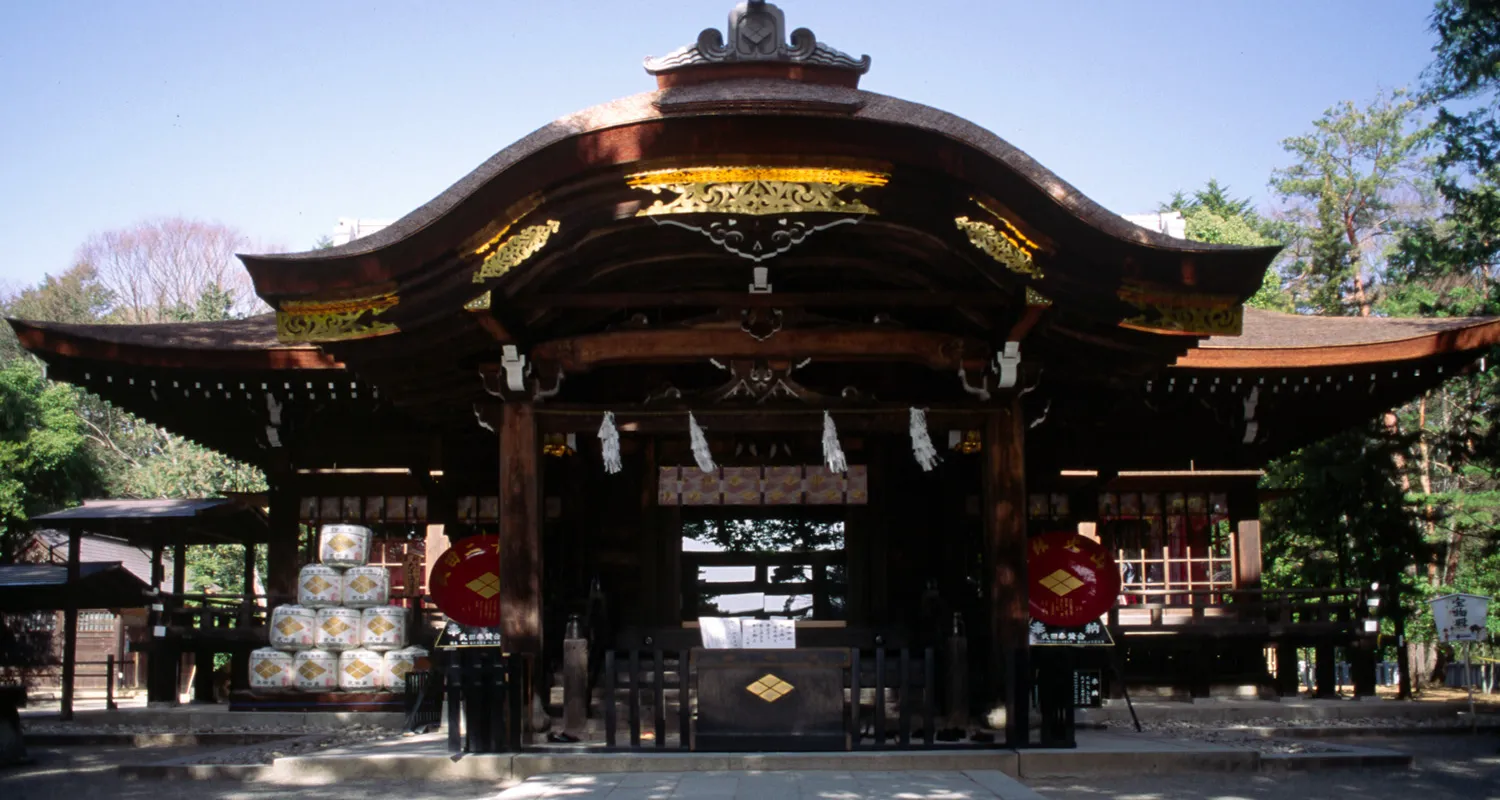
Takeda Jinja was founded in 1919 (Taisho 8) as a shrine dedicated to Takeda Shingen, the celebrated warlord of the Sengoku period. It stands on the former site of Tsutsujigasaki Yakata, the residence built in 1519 by Shingen’s father, Takeda Nobutora — the political and military headquarters from which three generations of the Takeda clan, Nobutora, Shingen, and Katsuyori, ruled the province of Kai for 63 years. The site of Tsutsujigasaki Yakata is now a nationally designated Historic Site.
Takeda Shingen (1521–1573), the shrine’s enshrined deity, is remembered as one of the Sengoku period’s most brilliant military strategists, famous for his “Furinkazan” battle standard and his rivalry with Uesugi Kenshin of Echigo at the battles of Kawanakajima. He was also a capable administrator, known for engineering projects such as the “Shingen Levee” flood-control works, and it is this reputation as both strategist and statesman that draws worshippers today seeking victory in competition, academic success, and career advancement.
Highlights
Traces of the original moat and stone walls from the Tsutsujigasaki Yakata era still remain on the grounds, offering a rare glimpse of what a Sengoku-period warlord’s residence once looked like. The Treasure Hall displays armor, swords, and other artifacts connected to the Takeda clan, including a long sword designated a national Important Cultural Property, providing deep insight into the family’s history.
The grounds also feature a “suikinkutsu,” a Japanese garden device that produces a delicate echoing water sound, as well as a well said to have been used by Shingen himself — both popular stops for visitors touring the grounds alongside their prayers.
Visiting Tips
A quick circuit of the grounds takes about 30 minutes to an hour, but allow 1–2 hours if you also want to take in the Treasure Hall and the surviving moat and stone walls at a leisurely pace. Goshuin stamps are available at the amulet office to the right of the torii gate at the end of the approach. The shrine is also known as a cherry blossom spot, drawing crowds of visitors from late March through early April.
Annual Festivals
- Reitaisai Grand Festival (April 12): Takeda Jinja’s largest festival, held on the anniversary of Shingen’s death. A portable shrine is paraded to Yuki Park in central Kofu, followed by a procession of mounted warriors dressed as the Takeda Twenty-Four Generals.
- Shingen-ko Festival (early April): One of Kofu’s largest annual events, born in 1970 from the merger of the shrine’s own mounted-general procession with the city’s separate cherry blossom festival. Its “Koshu Gundan Shutsujin” warrior procession is said to be one of the largest of its kind in the world.
- Shingen-ko Art Bamboo Lantern Festival “Yoi-mode” (April 1–May 31): A limited-run evening event in which the grounds are lit by the glow of bamboo lanterns after sunset.
- New Year’s Visits (January 1–3): Crowds come to pray for victory in competition and good fortune in the year ahead.
Nearby Food & Sightseeing
- Kosaku Kofu Kitaguchi Ekimae: A popular restaurant serving Yamanashi’s signature hoto noodle stew alongside simmered chicken giblets, conveniently close to the north exit of Kofu Station for combining with a visit to Takeda Jinja.
- Maizuru Castle Park (Kofu Castle Ruins): A historic park just outside the south exit of Kofu Station, home to the surviving stone walls of Kofu Castle, built after the fall of the Takeda clan, and the destination of the portable shrine procession during the Shingen-ko Festival.
- Koshu Yumekoji: A recreated Edo-period lane near the north exit of Kofu Station, lined with souvenir shops and cafes, an easy stop on the way to or from Takeda Jinja.
Frequently Asked Questions
- Q. What are the visiting hours?
- A. The grounds are open to visitors at all times. The Treasure Hall is open 9:30–16:00.
- Q. When is the goshuin office open?
- A. 9:00–16:00, for ¥500.
- Q. Is there parking?
- A. Yes, free parking is available (about 154 spaces).
- Q. What site was Takeda Jinja built on?
- A. It stands on the former site of Tsutsujigasaki Yakata, the residence that served as the base for three generations of the Takeda clan — Nobutora, Shingen, and Katsuyori — for 63 years, and traces of the original moat and stone walls remain on the grounds today.
- Q. How do I get there?
- A. About a 10-minute bus ride from the north exit of JR Kofu Station to the Takeda-jinja stop, or about a 30-minute walk.
Related Shrines
Yamanashi, Fujiyoshida
Kitaguchi Hongu Fuji Sengen Jinja
Kitaguchi Hongū Fuji Sengen Jinja
- Safe Childbirth
- Fire Prevention
- Good Fortune
Nara Prefecture, Sakurai
Tanzan Jinja
Tanzan-jinja
- Academic Success
- Good Fortune
- Protection from Misfortune
Aichi Prefecture, Nagoya
Atsuta Jingu
Atsuta-jingū
- Good Fortune
- Household Safety
- Victory in Competition