History
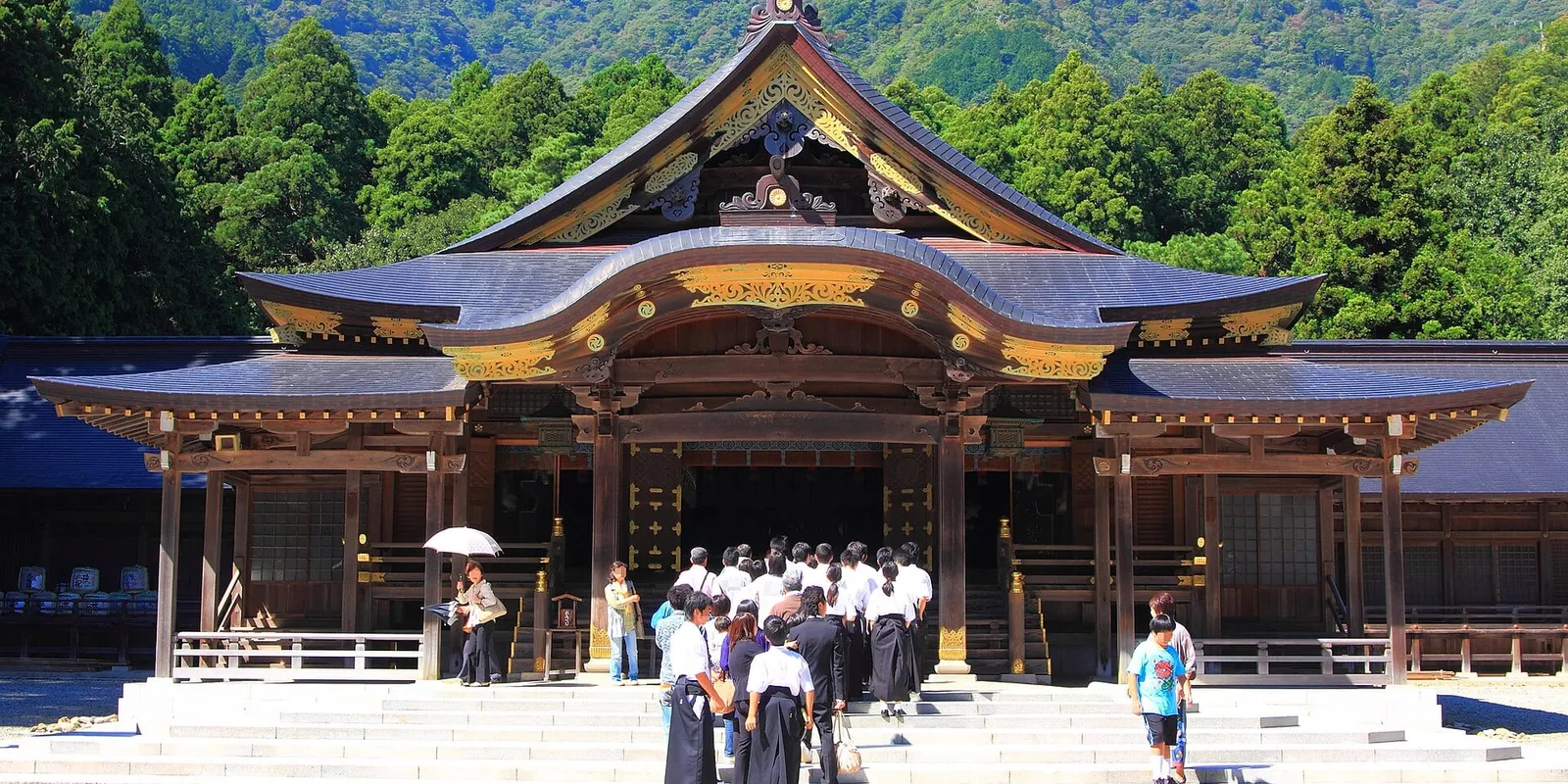
Yahiko Jinja has long been worshipped as the ichinomiya (chief shrine) of Echigo Province. Its enshrined deity, Amenokaguyama-no-mikoto, is said to be a great-grandson of Amaterasu Omikami and to have come to this land under a divine command to develop the province of Koshi (present-day Niigata Prefecture), teaching the local people the arts of rice cultivation, fishing, salt-making, and sake brewing. Said to have a history spanning more than 2,400 years, the shrine’s name appears even in the Manyoshu, Japan’s oldest poetry anthology, in a verse that speaks of sacred Yahiko, awesome even on a day when a light rain falls beneath trailing blue clouds — a testament to how long the shrine’s reputation has endured.
In March 1912, a major fire broke out in the shrine’s approach town and destroyed the once-magnificent main sanctuary along with the other shrine buildings. Reconstruction was subsequently carried out under the design of architectural historian Ito Chuta and others, and in 1916 the buildings were rebuilt on an even grander scale than before, giving the shrine the form it retains today.
Highlights
Mount Yahiko (634 meters), rising behind the shrine buildings, has long been revered as a sacred mountain where the deity resides. The sacred forest enveloping the grounds carries a solemn atmosphere, and visitors can feel the richness of nature here in every season.
Visiting Tips
The customary way to pray at Yahiko Jinja — “two bows, four claps, one bow” — is unusual among shrines nationwide. For the New Year visit (hatsumode) and the Ninenmairi (crossing into the New Year at the shrine), the shrine draws large crowds from both within and outside the prefecture, with more than 200,000 visitors making it one of Niigata’s premier hatsumode destinations.
Annual Festivals
- Toro Shinji (Toro Matsuri): Held around July 25 each year, this festival is designated an Important Intangible Folk Cultural Property of Japan. Mikoshi hung with hundreds of large and small paper lanterns are paraded through the approach town, and the festival is also known for “toro-oshi,” in which the lanterns are pressed and knocked against one another.
- Daidai Kagura: Performed once a year, this venerable sacred dance consists of seven dances performed by children and six performed by adults. It is designated an Important Intangible Folk Cultural Property of Japan.
Nearby Food & Sightseeing
Mount Yahiko also has a ropeway, and the summit offers spectacular views of the Sea of Japan and Sado Island. The approach town has many hot spring inns, and some visitors combine their visit to the shrine with a therapeutic soak.
- Shimizuya: A restaurant attached to a long-established inn just in front of the first torii gate, known for its freshly fried tempura and udon and soba noodles in richly flavored broth.
- Yoshidaya: A long-established restaurant that has served its signature “wappa-meshi” (rice steamed in a wooden box) made with locally grown Yahiko rice for over 30 years.
- Omotenashi Hiroba: A complex about a 5-minute walk from Yahiko Station, with a food court as well as free footbaths and hand baths fed by natural hot spring water.
Frequently Asked Questions
- Q. What are the visiting hours?
- A. 8:30–16:00.
- Q. When is the goshuin office open?
- A. 8:30–16:00, for ¥500.
- Q. Is there parking?
- A. Yes, free parking is available nearby.
- Q. Is the worship style different here?
- A. Yes — Yahiko Jinja uses the unusual "two bows, four claps, one bow," rarely seen elsewhere in Japan.
- Q. How do I get there?
- A. About a 10-minute walk from JR Yahiko Line Yahiko Station.
Related Shrines
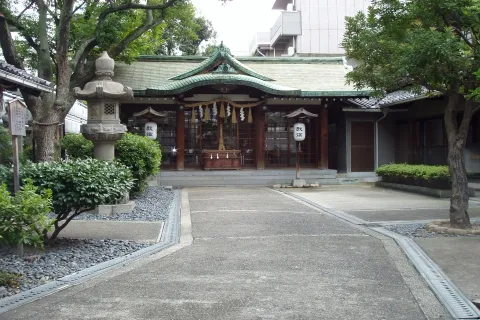
Osaka Prefecture, Nishi Ward, Osaka
Samuhara Shrine
Samuhara-jinja
- Protection from Misfortune
- Good Fortune
- Good Health
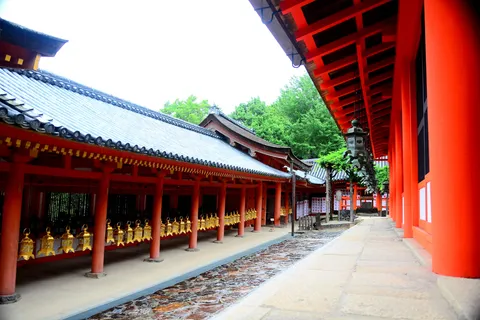
Nara Prefecture, Nara
Kasuga Taisha
Kasuga-taisha
- Protection from Misfortune
- Good Fortune
- Good Relationships
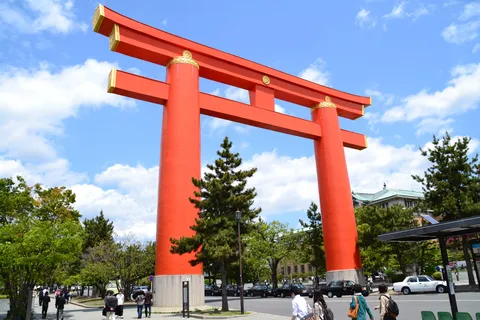
Kyoto Prefecture, Sakyo-ku, Kyoto
Heian Jingu
Heian-jingū
- Good Fortune
- Protection from Misfortune
- Household Safety