History
Kasuga Taisha was founded in 768, the 2nd year of the Jingo-keiun era, to pray for the protection of the Heijo capital and the prosperity of the nation. It enshrines four deities: Takemikazuchi no Mikoto, Futsunushi no Mikoto, Amenokoyane no Mikoto, and Himegami. From the Heian period onward, it was deeply venerated as the tutelary shrine of the Fujiwara clan, and in 1998 it was registered as a UNESCO World Heritage Site as part of the “Historic Monuments of Ancient Nara.”
According to shrine tradition, the Minister of the Left, Fujiwara no Nagate, brought together Takemikazuchi no Mikoto from Kashima Jingu, Futsunushi no Mikoto from Katori Jingu, and Amenokoyane no Mikoto and Himegami, who had been enshrined at Hiraoka Jinja, and built four shrine halls at the foot of Mount Mikasa — an event considered the shrine’s founding. Since then, Kasuga Taisha has been known for its practice of “Shikinen Zotai,” rebuilding or restoring its buildings once every 20 years. In 2016, the 60th Shikinen Zotai was completed, restoring the shrine’s vivid vermilion halls.
Highlights
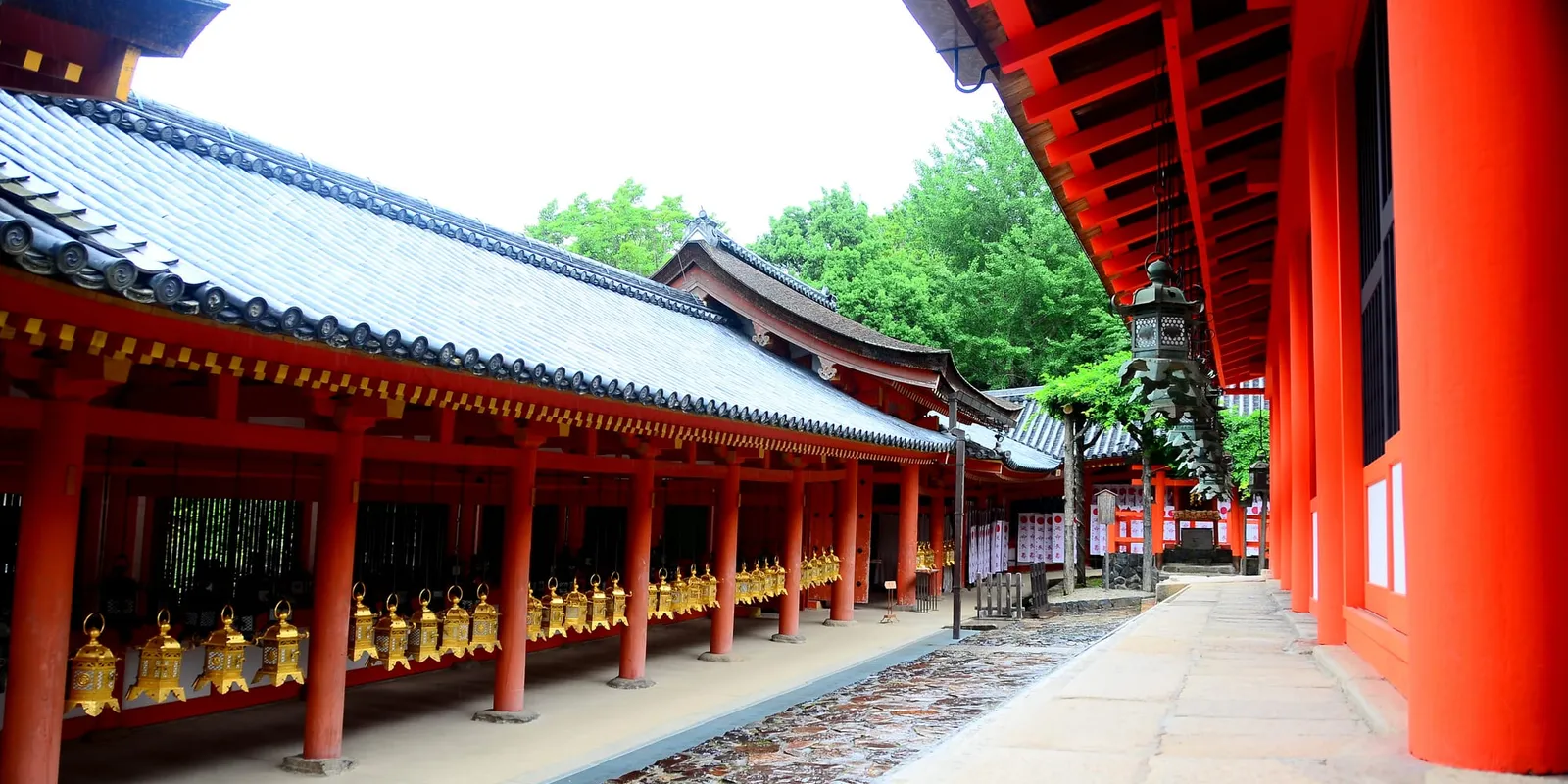
Roughly 3,000 stone and hanging bronze lanterns, donated over the centuries and lining the grounds and approach, are the signature sight of Kasuga Taisha. During the “Mantoro” lantern festival, held three times a year — at Setsubun and on August 14 and 15 — every lantern is lit, creating an enchanting atmosphere. Wild deer roam the grounds in large numbers, offering visitors a chance to combine their visit with a stroll through neighboring Nara Park.
Visiting Tips
The shrine is surrounded by the vast Kasugayama Primeval Forest, itself a World Heritage Site, where visitors can experience Japan’s rich nature through all four seasons. A special viewing course in front of the Honden allows access to areas not normally open to the public.
Annual Festivals
- Setsubun Mantoro (February 3) — A magical rite in which all of the grounds’ roughly 2,000 stone lanterns and 1,000 hanging lanterns are lit.
- Kasuga Festival (March 13) — A prestigious imperial festival attended by an imperial messenger, counted among the “Three Great Imperial Festivals” together with the Aoi Festival of the Kamo shrines and the Iwashimizu Festival of Iwashimizu Hachimangu.
- Chugen Mantoro (August 14–15) — A summer tradition, like the Setsubun festival, in which about 3,000 lanterns are lit.
- Kasuga Wakamiya On-matsuri (December 15–18, main festival on December 17) — The annual festival of the subsidiary Wakamiya shrine, held without interruption since it began in 1136. It is designated a National Important Intangible Folk Cultural Property.
Nearby Food & Sightseeing
Renowned old temples such as Todai-ji and Kofuku-ji are within walking distance, and many visitors combine their visit with a stroll through Nara Park.
- Kasuga Taisha Cafe & Shop Kaon — A café on the first floor of the shrine’s Treasure Hall (Kokuhoden), serving sweets such as zenzai with real kudzu starch and nyumen noodle sets.
- Ukimido — A hexagonal, cypress-bark-roofed pavilion floating on Sagi-ike Pond, a short stroll from the approach to Kasuga Taisha into Nara Park — a popular spot for a lakeside walk.
- Nara Park — A vast park extending from the shrine grounds, where visitors can enjoy strolling among the park’s wild deer.
Frequently Asked Questions
- Q. What are the visiting hours?
- A. 6:00–18:00 (6:30–17:00 from October to March).
- Q. When is the goshuin office open?
- A. 9:00–16:00, for ¥500.
- Q. Is there parking?
- A. Yes, paid parking is available nearby.
- Q. When can I see the Mantoro lantern lighting?
- A. Three times a year — during Setsubun and on August 14–15 — when every lantern on the grounds is lit.
- Q. How do I get there?
- A. About a 10-minute bus ride from Kintetsu Nara Station to the "Kasuga Taisha Honden" stop, or about a 25-minute walk.
Related Shrines
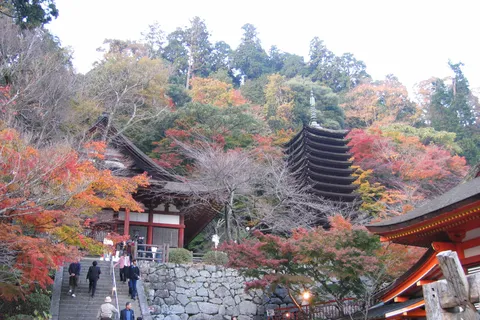
Nara Prefecture, Sakurai
Tanzan Jinja
Tanzan-jinja
- Academic Success
- Good Fortune
- Protection from Misfortune
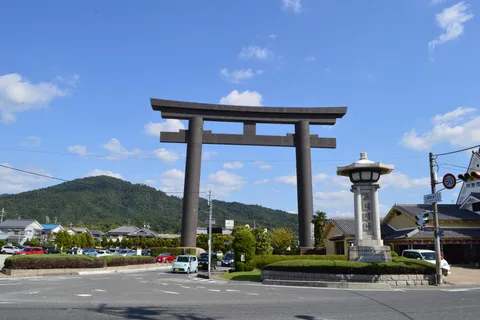
Nara Prefecture, Sakurai
Omiwa Jinja
Ōmiwa-jinja
- Good Relationships
- Good Health
- Business Prosperity
Nara Prefecture, Gose
Takakamo Jinja
Takakamo-jinja
- Recovery from Illness
- Rebirth and Revival
- Abundant Harvest