History
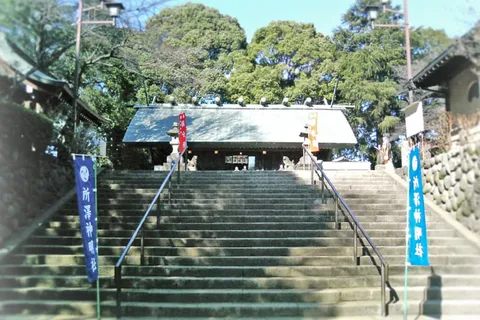
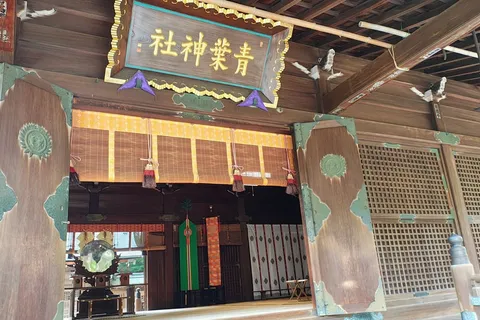
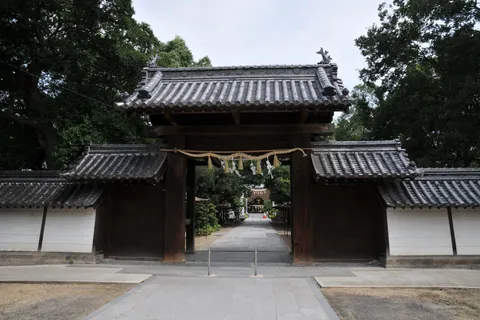
Yakyu Inari Shrine is an Inari shrine in central Higashimatsuyama, Saitama, within walking distance of Higashimatsuyama Station on the Tobu Tojo Line. Its name is read “Yakyu Inari Jinja,” and it is also fondly called “Yakyu-sama” (the name is used for the shrine’s newsletter as well). According to the official site, the main deity is Ukemochi no Kami, and Ugano-mitama no Kami is enshrined in the Ugano-mitama Shrine (Danjuro Inari, also called Anamiya) on the grounds. The founding is said to date from 712 (Wado 5), and the official site describes the shrine as known as a guardian of agriculture, business, traffic safety and the arts.
The official history (“Goyuisho”) records a tradition about the shrine’s name. In the mid-Heian period, Taira no Tadatsune of Shimosa Province rebelled and advanced toward Kawagoe in Musashi Province. Minamoto no Yorinobu, sent by the court, set up camp at Nokugahara and prayed through the night at Noku Inari Shrine. At dawn a white cloud in the shape of an arrow appeared and seemed to fly toward the enemy, and after three days of fighting Yorinobu won. In gratitude he is said to have helped rebuild the shrine and had it renamed “Yakyu Inari.” This is a tradition, and it is not presented as a documented historical fact.
The grounds also hold the Ugano-mitama Shrine (Danjuro Inari), tied to the Edo-period kabuki actor Ichikawa Danjuro VII. According to the official site, he held the shrine in especially high regard and prayed for improvement in his art, his performances at an Edo theater drew full houses, and actors, the entertainment quarters and craftspeople have worshipped here ever since.
“Yakyu” (箭弓) is pronounced the same as the word for baseball (野球). Travel guides and similar sources say that, because of this wordplay, the shrine is also known among people involved in baseball. The official site does not explain any link between the shrine’s name and baseball, but its list of offerings includes bat- and base-shaped ema and ball-sports amulets.
Highlights
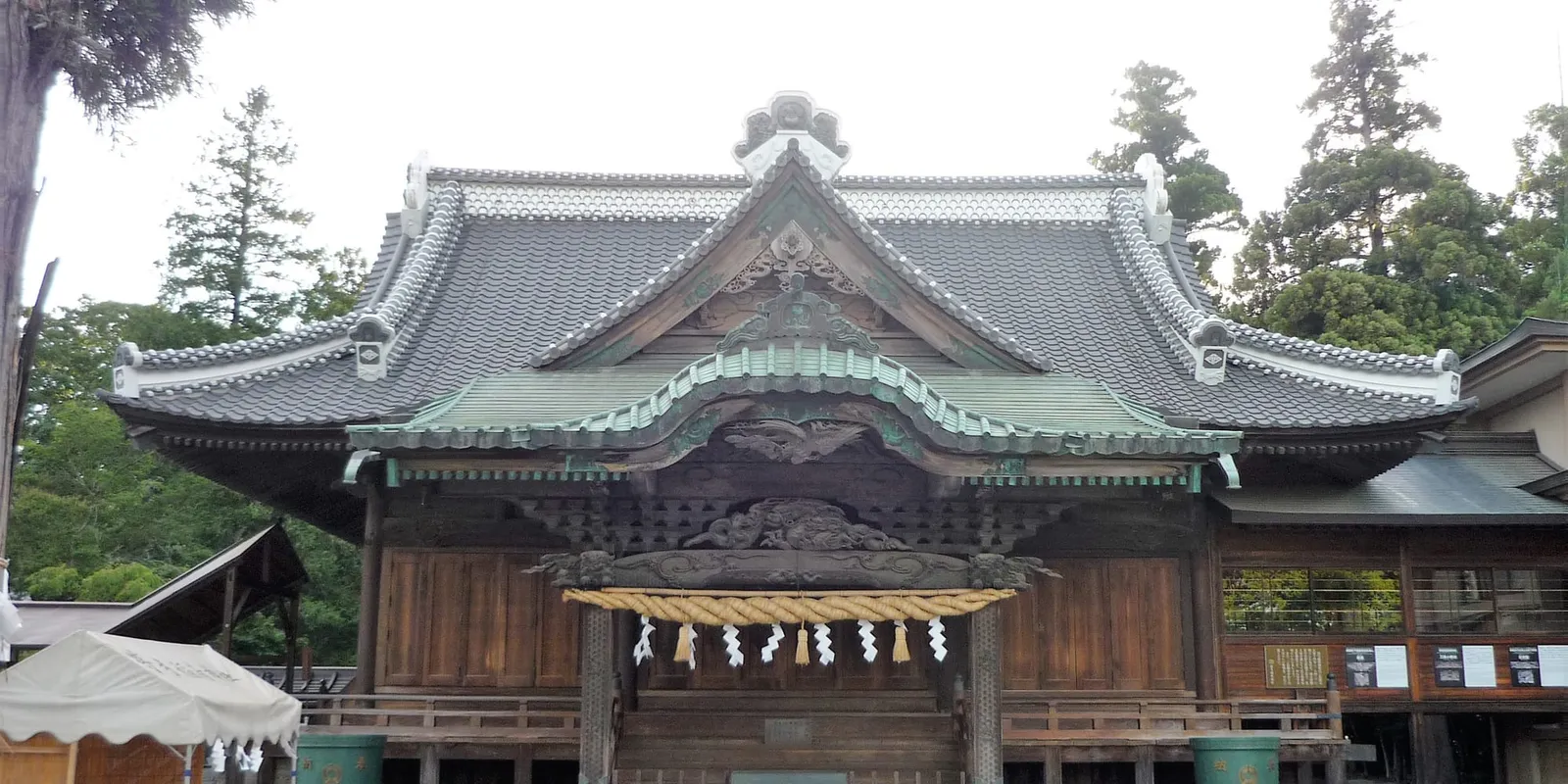
The top highlight is the main hall, offering hall and worship hall, designated National Important Cultural Properties on January 19, 2024 (Cultural Heritage Online). The complex is in the gongen-zukuri style, joining the main hall and worship hall, and is described as one of the largest of its kind in the Kanto region in the late Edo period. The exterior is unpainted wood with fine carving throughout, and the interior is richly colored. According to the commentary, carpenters and carvers from Kumagaya built it, with the main and offering halls dating from 1835 (Tenpo 6) and the worship hall from 1840 (Tenpo 11). Other listings, including some on the official site and in the Cultural Heritage Online summary, give different dates, so the sources differ. The official site also treats the Motomiya (original shrine) behind the main hall as nationally designated, but the designation name I could confirm on Cultural Heritage Online is “Main Hall, Offering Hall and Worship Hall.”
According to the official site, the peony garden began in 1923, when the first president of Tobu Railway donated peonies, wisteria and pines. It covers about 3,500 square meters with more than 1,300 peony plants, and the peonies bloom together with azaleas and wisteria from around mid-April. The large ema “Meoto Kitsune” (the fox couple) hangs under the eaves of the worship hall. The official site tells the story of an Edo carpenter who had an eye ailment, recovered after he and his wife prayed here, and dedicated it in thanks.
The grounds also include a giant goshuin stamp made of zelkova, which the official site says was certified by Guinness World Records in May 2016 as the “largest wooden stamp,” and a chozuya (purification pavilion) restored with a wood-shingle roof (a city-designated cultural property). The official treasures page says the ema are currently not on display because of earthquake-reinforcement work on the main hall.
Visiting Tips
The official site says the shrine is open every day of the year, and the shrine office is open 9:00 AM–4:30 PM. Prayer services are held every 30 minutes from about 9:00 AM to 3:50 PM, with same-day applications only and offerings from ¥5,000. Shichi-Go-San prayers need no reservation, with offerings of ¥5,000, ¥7,000 or ¥10,000 and up. In September 2026 the shrine announced that it had installed an elevator for visitors who find the stairs difficult when entering the hall for worship.
Goshuin are available, but the fee and hours for the regular goshuin are not given on the official site. Limited editions are announced from time to time, and as of October 2026 the site lists a commemorative goshuin for the moon-viewing festival (limited quantity, ¥800). For the latest offerings, check the official site or call the shrine (0493-22-2104).
It is about a 3-minute walk from the west exit of Higashimatsuyama Station on the Tobu Tojo Line. By car, it is about 5 minutes from Higashimatsuyama IC on the Kan-Etsu Expressway, and there are 50 free parking spaces.
Annual Festivals
These are the main events from the official annual event list (no year is stated there). Dates can change from year to year.
- Hatsuuma-sai (first Horse day of March): A fire-prevention rite is held the day before. According to the official site’s news, the 2026 Hatsuuma Taisai was held on March 9.
- Botan Matsuri (mid-April to early May): A festival for the peony garden’s bloom time. The 2026 dates were announced as April 10 to May 7.
- Danjuro Inari Festival (a Saturday or Sunday in late May): It is also held in October, on a Saturday or Sunday near the 13th-night moon, together with a moon-viewing concert.
- Nagoshi no Oharae (June 30): In 2026 the chinowa (straw ring) was set up from June 22 (official site news).
- Mitama Matsuri (August 16)
- Reitaisai, the annual grand festival (September 21)
- Niiname-sai (November 23): November is also mainly the season for Shichi-Go-San visits.
- Joya-sai (December 31): The New Year’s Day festival is on January 1, and the New Year prayer festival runs from January 2 to 7.
Nearby Food & Sightseeing
- Iwadono Kannon (Shoboji Temple): A Chizan-school Shingon temple and the 10th temple on the Bando 33 Kannon pilgrimage. Temple tradition dates its founding to the Yoro era (early 8th century). It is away from Higashimatsuyama Station, and guides commonly give directions by bus and on foot from Takasaka Station on the Tobu Tojo Line.
- Saitama Children’s Zoo (Saitama Prefectural Children’s Zoo and Nature Park): A prefectural zoo within Higashimatsuyama, reached by bus from the west exit of Takasaka Station on the Tobu Tojo Line. Hours and admission vary by season, so check official information.
- Yakitori shops around Higashimatsuyama Station: Higashimatsuyama is known as a “yakitori town” and is sometimes counted among Japan’s three great yakitori towns alongside Muroran and Imabari (according to encyclopedias and similar sources). It is known for pork kashira (head meat) served with a spicy miso sauce, but this varies by shop, so check opening information before you go.
Frequently Asked Questions
- Q. What are the visiting hours and when can I book a prayer service?
- A. The official site says the shrine is open every day of the year, with the shrine office open 9:00 AM–4:30 PM. Prayer services are held every 30 minutes from about 9:00 AM to 3:50 PM, and you apply at least 10 minutes before each session. Same-day applications only, no reservations, from ¥5,000. Times can change at New Year's and on festival days. The official site does not state gate opening or closing times.
- Q. Can I get a goshuin at Yakyu Inari Shrine?
- A. Yes, goshuin are available, but the fee and hours for the regular goshuin are not given on the official site. As of October 2026, the official site lists a commemorative goshuin for the moon-viewing festival (from October 1, limited quantity, ¥800) and also announces a limited goshuin for the Danjuro Inari Festival. Use the shrine office hours (9:00 AM–4:30 PM) as a guide, and check the official site or call the shrine (0493-22-2104) for details.
- Q. How do I get there, and is there parking?
- A. It is about a 3-minute walk from the west exit of Higashimatsuyama Station on the Tobu Tojo Line (official site). By car, it is about 5 minutes from Higashimatsuyama IC on the Kan-Etsu Expressway toward Kawagoe/Kawajima, and there are 50 free parking spaces. It can get crowded on New Year's and festival days.
- Q. Which buildings are National Important Cultural Properties?
- A. According to the Agency for Cultural Affairs' Cultural Heritage Online, the "Yakyu Inari Shrine Main Hall, Offering Hall and Worship Hall" were designated National Important Cultural Properties on January 19, 2024. It is a gongen-zukuri complex linking the main hall and worship hall, with an unpainted exterior full of fine carving and a richly colored interior. The commentary dates the main and offering halls to 1835 (Tenpo 6) and the worship hall to 1840 (Tenpo 11), but the dates differ between sources.
- Q. Are there baseball-related items at the shrine?
- A. "Yakyu" (箭弓) is pronounced the same as the word for baseball (野球). The official list of offerings includes a bat ema (¥1,000), a base-shaped ema (¥1,000), ball-sports amulets in the shape of a bat or a glove (¥1,000 each), and a ball-shaped fortune slip (¥500). The official site does not explain any link between the shrine's name and baseball.
Plan Your Visit
Before you go, you can book a stay and get your shrine-visit items ready.
Amazon links open Amazon.co.jp (Japan) in English; whether an item ships overseas depends on the product.
※ Contains ads (PR). Links open external sites such as Amazon, Rakuten, Trip.com and Booking.com.