History
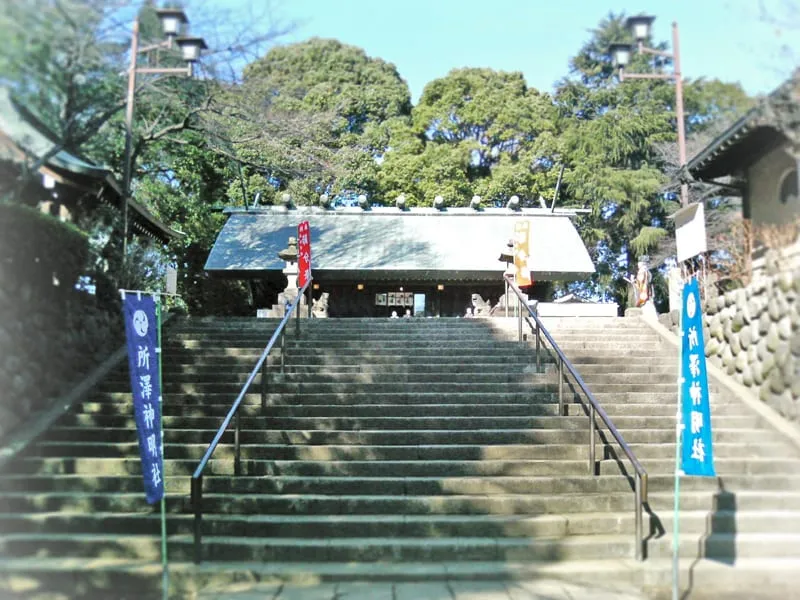
Tokorosawa Shinmeisha stands in Miyamoto-cho, Tokorozawa, Saitama. Its name is read “Tokorosawa Shinmeisha” in the Saitama Prefecture landscape-resource data sheet (the official site gives no furigana), though some guides read it “Tokorozawa.” According to the official site, it is the tutelary (ubusuna) shrine of Tokorozawa and its “general chinju” (Tokorozawa Sochinju), and it is also called “the Ise Shrine of Musashi Province.” The main enshrined deity is Amaterasu Omikami, with Ukanomitama no Okami and Omononushi no Okami also enshrined. Because it honors both heavenly and earthly kami, the official site describes it as “a very well-balanced shrine.”
The shrine’s own history says that Yamato Takeru, on his campaign against the eastern tribes, rested at Kotesashi-hara near the shrine and prayed to Amaterasu, and that local people enshrined Amaterasu in memory of this. It is also described as the center of the many Yamato Takeru legends around Tokorozawa. However, a fire in 1826 destroyed the main hall and the attached temple (the Shingon temple Kakoin), and together with two earlier fires most of the old records and treasures were lost, so the founding year is unclear. Another page of the official site says that, judging from factors such as an old zelkova on the west approach that experts reportedly put at over a thousand years old, the shrine is “thought” to have existed already in the Nara period, at the latest before the Heian period, which it presents as an inference.
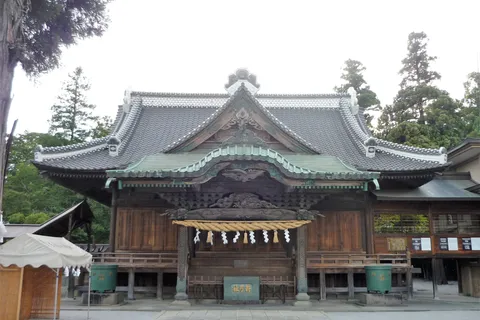
The parishioners then rebuilt the halls. With the separation of Shinto and Buddhism in 1869, the temple was abolished and the shrine became independent; the present shrine buildings were built in 1902, and in 1934 the grand worship hall of solid cypress was completed, which the shrine describes as the largest in the prefecture. All of this is the shrine’s own account.
Tokorozawa is also known as the birthplace of Japanese aviation. The official site says it has been handed down in the shrine office family that Captain Tokugawa Yoshitoshi worshipped formally here the day before Japan’s first flight on April 5, 1911, and prayed for success, and so the shrine is also known as the “airplane shrine.”
Highlights
According to the official site, the grounds hold many auxiliary shrines among dense trees. The sacred oak is described as an old tree with many legends, and old zelkova trees line the west gate approach, deepening the atmosphere of an ancient shrine. According to the Japanese Wikipedia, the auxiliary shrines include Kuradono Shrine (enshrining Emperor Sujin), Torifune Shrine and an Inari shrine, and the smaller subordinate shrines include Yakumo, Tenjin, Kotohira and Suiten-gu shrines.
Particularly distinctive is the auxiliary Torifune Shrine. The official site says it was founded in October 2011 to mark 100 years since the first flight, as a shrine for aviation and traffic safety that carries people’s wishes up to Takamagahara on a bird-ship. The Japanese Wikipedia notes that paper is provided in front of the shrine and strings of paper cranes carrying written wishes are tied around it.
A precinct map is available on the “Precinct” page of the official site. There is also a doll hall for dolls brought for memorial service; the official site says that since December 2001 the former main hall has served as the doll enshrinement hall so that dolls can be left at any time.
Visiting Tips
The official reception hours are 8:30 AM–5:00 PM. Prayer services (in the hall) are offered for first shrine visits, Shichi-Go-San, protection from misfortune, traffic safety, travel safety, exam success, good matches and more, along with on-site ceremonies such as groundbreaking rites. The official site also says many people come to pray for safe travel and safe overseas trips as the guardian shrine of Japanese aviation’s birthplace. It asks visitors to phone (04-2922-3919) for details.
The official site shows one goshuin design for Tokorosawa Shinmeisha and four seasonal designs for Torifune Shrine: the airship Yuhi-go (January–March), the Henri Farman aircraft (April–June), the Bleriot aircraft (July–September) and the Wright aircraft (October–December). The fee and separate goshuin hours are not stated on the official site. Images of the goshuin book are shown, but without a price. Several amulets are introduced, including Kanau-mamori, a yakuyoke (misfortune-protection) amulet, a traffic safety amulet, a travel-abroad safety amulet, Musubi-mamori (bonds) and a money-luck amulet.
The closest station is Kokukoen Station on the Seibu Shinjuku Line, about 8 minutes on foot from the west exit, and Tokorozawa and Nishi-Tokorozawa stations are about 15 minutes on foot. The official site does not give parking spaces or fees, so please ask in advance if you are driving.
Annual Festivals
These are the main events listed under “Festivals and Events” on the official site (dates as given there).
- New Year’s Day Festival and first visit (January 1): Prayers for the nation’s prosperity, the Imperial Family’s well-being and the safety of parishioners and devotees.
- Kumade Market (January 1, from midnight to early morning): The official site introduces it as “the earliest kumade market in Japan.”
- Setsubun Festival (February 3): In 2026 the bean-throwing event was cancelled, and only the ceremony was held by the priests, officers and volunteers.
- Spring Chusai (April 21): A ceremony attended by many parishioners, held together with the annual festival of the Shokonsha shrine.
- Doll Memorial Service (first Sunday of June): A ritual burning of dolls. In 2026 it was June 7 (Sunday), from 2:00 PM. The official site says it began with an event that the Tokorozawa Doll Association has hosted since the 1970s.
- Summer Great Purification (Nagoshi no Oharae, June 30): Visitors carry paper effigies and pass through the grass ring on the grounds to pray for good health. Advance registration is requested for attending (2026: ¥3,000 offering).
- Tanabata Festival (August 7): In 2026 it ran for three days, August 6–8, with a concert and night market, and a Tanabata prayer ceremony (shrine maiden dance and gagaku) at 7:00 PM on the 7th.
- Autumn Grand Festival (September 15): The official site calls it the most important festival of the year. After the ceremony, a shrine maiden dance and Takemagasawa Sato-kagura are offered.
- Float Safety Prayer Ceremony (October): Prayers for the floats of the “Tokorozawa Matsuri,” when floats from neighborhoods across the city gather on the grounds and offer festival music.
- Shichi-Go-San (November 15) and Niiname-sai (November 23)
- Okamajime (from the winter solstice to December 30): Old talismans on the household altar and in the kitchen are replaced to prepare for welcoming the New Year deity. In 2026, December 22–30, with a set offered for ¥3,000.
- Year-end Great Purification (December 31)
Details and times change from year to year, so check the “Festivals and Events” pages of the official site for the latest.
Nearby Food & Sightseeing
- Tokorozawa Aviation Memorial Park: The park that gives nearby Kokukoen (“Aviation Park”) Station its name. The official site of the Tokorozawa Aviation Museum describes the location as “the place where Japan’s first airfield was built.” It makes a convenient stop before or after visiting the shrine via Kokukoen Station.
- Tokorozawa Aviation Museum: An aviation museum inside the park (1-13 Namiki, Tokorozawa). According to its official site it has been closed for major renovation since September 1, 2025, and is scheduled to reopen on May 1, 2027. Please check the latest status before visiting.
- Farman Street (Farman-dori): The shrine’s official site introduces it as a street in Tokorozawa named in honor of the first flight. A useful landmark if you want to follow the city’s aviation history on foot.
Frequently Asked Questions
- Q. What are the visiting and reception hours?
- A. The official site lists reception hours of 8:30 AM–5:00 PM. It does not give separate opening hours for the grounds themselves, so if you want a prayer service or an amulet, plan to arrive within the reception hours. For questions about prayer services, the shrine asks visitors to phone 04-2922-3919.
- Q. Can I get a goshuin? I heard there is an airplane goshuin.
- A. Yes. The "Omamori & Goshuin" page of the official site shows the goshuin of Tokorosawa Shinmeisha itself and those of its auxiliary shrine, Torifune Shrine. The Torifune Shrine goshuin come in four seasonal designs tied to Tokorozawa's aviation history: the airship Yuhi-go (January–March), the Henri Farman aircraft (April–June), the Bleriot aircraft (July–September) and the Wright aircraft (October–December). The fee and separate goshuin hours are not stated on the official site.
- Q. How do I get there, and is there parking?
- A. Per the official site, it is about an 8-minute walk from the west exit of Kokukoen Station on the Seibu Shinjuku Line, and about 15 minutes on foot from Tokorozawa Station (west exit) or Nishi-Tokorozawa Station on the Seibu Ikebukuro Line. By car it is about 20 minutes from Tokorozawa IC (Kan-etsu Expressway) or about 30 minutes from Iruma IC (Ken-O Expressway). Parking is not mentioned on the official site, so please check with the shrine beforehand if you are driving.
- Q. Why is it called the "airplane shrine"?
- A. According to the official site, Tokorozawa is where Japan's first airfield was built, and the shrine office family has handed down the account that Captain Tokugawa Yoshitoshi formally worshipped at this shrine the day before his first flight on April 5, 1911, praying for success. To mark the centenary of that flight, the auxiliary shrine Torifune Shrine was founded in October 2011 as a shrine for aviation and traffic safety.
- Q. When is the doll memorial service?
- A. It is held every year on the first Sunday of June. In the official 2026 notice it was Sunday, June 7 (postponed to the following Sunday in case of rain), with doll reception from 9:00 AM to 1:30 PM and the service at 2:00 PM. The service fee starts from ¥5,000 per item. Only the dolls themselves are accepted, and boxes and glass cases should be removed before bringing them. Dates change by year, so check the official site before you go.
Plan Your Visit
Before you go, you can book a stay and get your shrine-visit items ready.
Amazon links open Amazon.co.jp (Japan) in English; whether an item ships overseas depends on the product.
※ Contains ads (PR). Links open external sites such as Amazon, Rakuten, Trip.com and Booking.com.