History
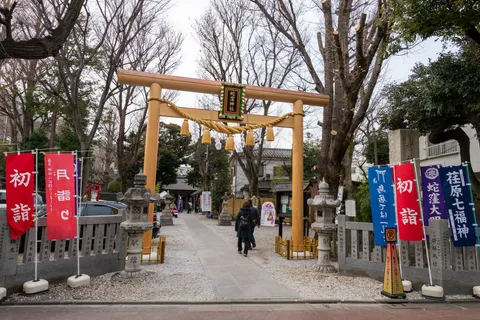
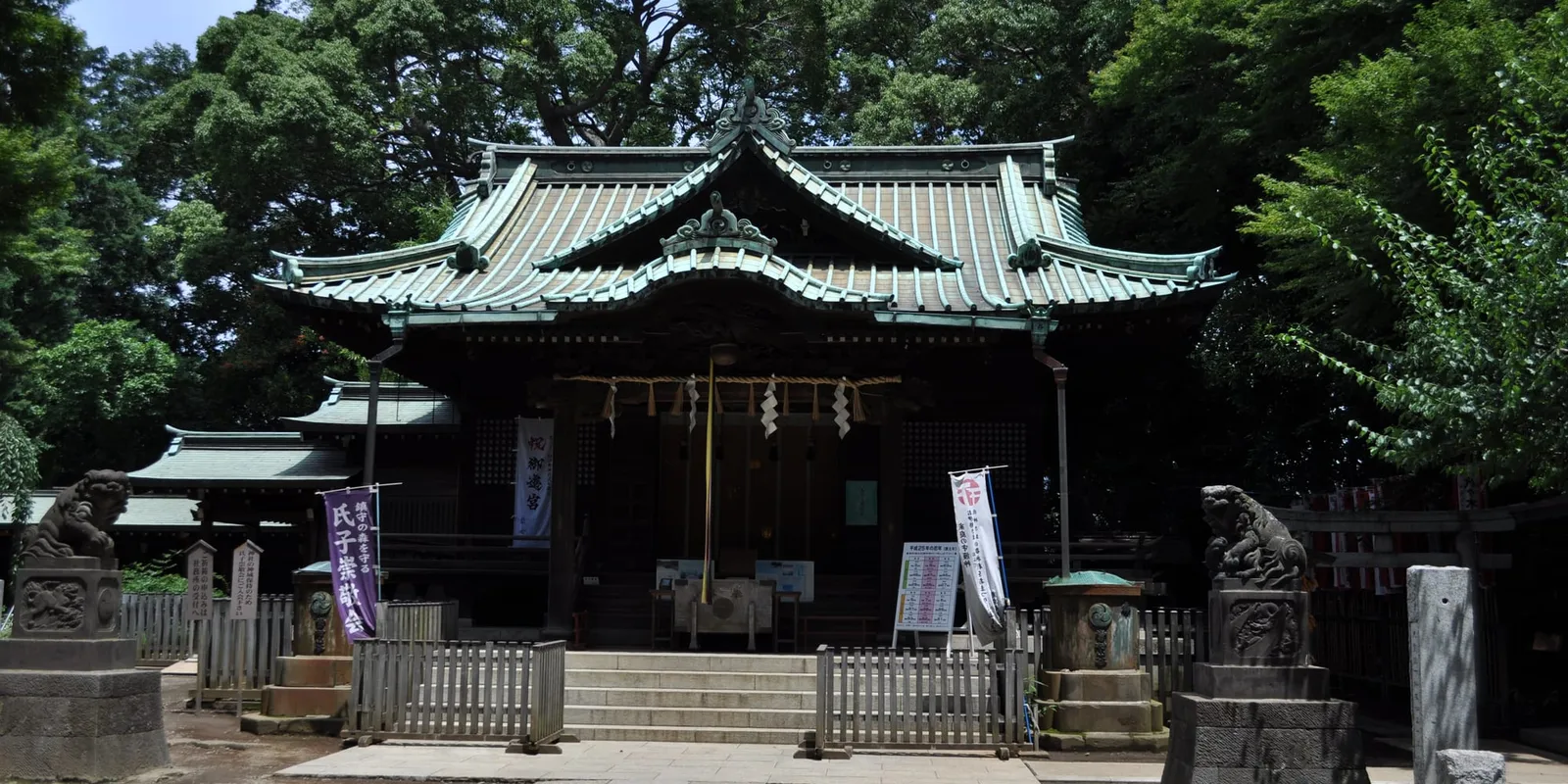
Yoyogi Hachimangu stands on a rise in Yoyogi, Shibuya, Tokyo, and is read “Yoyogi Hachimangu.” According to the official site, the main deity is Emperor Ojin (Hachiman). The shrine explains that Hachiman was long revered by the imperial court and the samurai as a guardian of the nation and a god who drives out evil, and, because of that strong divine power, was enshrined as a local guardian in many places as a god of warding off misfortune and bringing good luck.
The official site tells the founding story as follows. In the Kamakura period, a retainer named Arai Geki Tomoaki, who served Kondo Saburo Koremochi, a close aide of the second shogun Minamoto no Yoriie, took the name Soyu after Yoriie’s assassination and lived in seclusion in the Yoyogi fields, praying for his lord’s soul. On the night of August 15 in 1212 (Kenryaku 2), he is said to have received an oracle from Hachiman and a jewel mirror in a dream, and on September 23 of that year he built a small shrine on the site of “Moto-Hachiman” and invoked the deity of Tsurugaoka Hachimangu, which is regarded as the beginning.
From its founding, the shrine was managed by shrine monks, and its administrative temple was Fukusenji. According to that temple’s documents, the priest Denyo Risshi reformed it as a Tendai-sect shrine as its “restoring founder,” and it was later moved to its present site. (The official site gives the year as “Tenpo 1 (1644),” but the era name and Western year do not match, so this page omits the year.) After the Meiji Restoration’s separation of Shinto and Buddhism it was ranked as a village shrine, and, in addition to the Inari and Tenjin shrines that dated from the Edo period, small shrines from the former Yoyogi village were merged into it, so that Tenso-sha (Amaterasu Omikami) and Hakusan-sha (Hakusan Okami) came to be enshrined beside Hachiman. All of the above is the shrine’s own account.
Highlights
The shrine grove is a rare natural forest within Shibuya Ward, said by the official site to preserve a trace of the old Musashino landscape. Trees such as shii, camphor, zelkova and ginkgo grow here, and near the shrine office stands a camphor tree wrapped with a sacred rope as the shrine’s sacred tree (visitors are asked not to put coins in its hollow or to hug it for long, to protect the tree).
The grounds contain the “Yoyogi Hachiman Site.” An excavation in 1950 found the remains of Jomon-period dwellings and post holes, and it is designated a historic site by Shibuya Ward. A reconstructed pit dwelling can be seen, and some finds are kept in an exhibition hall next to the kagura hall. On the dating, the official site says about 5,000 years ago while Shibuya Ward says about 4,500 years ago, so sources differ.
To the right of the main hall is the Shusse Inari shrine. According to the official site, it was created by gathering local Inari shrines that had lost their worship in wartime fires and reviving their festival, and people pray there for success in life and business prosperity. Next to it stands a monument to Mt. Fuji pilgrimage, but the official site notes that there is no Fuji-zuka (miniature Mt. Fuji) on the grounds.
Among cultural properties, two large votive plaques (ema) are designated tangible folk cultural properties of Shibuya Ward (according to the ward’s cultural property list): “Empress Jingu” (dedicated in 1840) and “Illustrated Origin of Yoyogi Hachimangu” (dedicated in 1841). The grounds also hold a memorial to local men who went to the Russo-Japanese War, a farewell monument dedicated by residents who moved away from the land that is now Yoyogi Park (Yoyogi Fukamachi), and a haiku monument to the poet Usuda Aro.
Visiting Tips
The grounds can be visited at any hour, the shrine office is open 9:00 AM–5:00 PM, and prayer services are accepted 9:00 AM–4:30 PM (official site). On the 23rd of each month prayers are not accepted from 1:30 to 3:00 PM because of a ritual. Booking ahead is preferred for prayers; the offering starts from about ¥5,000, and a wooden prayer plaque can be written for ¥10,000 or more. The shrine does not perform exorcisms, and says it performs a purification rite (“kiyo-harai”) to cleanse bad things. Only cash is accepted.
Amulets include a goldfish charm (distribution begins around May; the site explains it in terms of money luck and fortune), a love-matching charm, and prayer charms for protection from misfortune and academic success, among others. The goshuin book is made of wood. The goshuin fee and separate goshuin hours are not stated on the official site, so visit during the shrine office hours.
On photography, using the grounds only for photos (Shichi-Go-San, Coming-of-Age Day, weddings) is not permitted, and professional photographers are allowed only for people receiving prayers. Filming and photography other than for personal use need prior permission.
It is a 5-minute walk from Yoyogi-Hachiman Station on the Odakyu Line. There is parking on the grounds (about 10 spaces, worshippers only), but large buses cannot park. You can also reach the main hall by a vehicle road without climbing the steps.
Annual Festivals
- New Year’s visit (January): Prayers in the main hall begin at midnight on January 1, and the shrine generally conducts prayers for one group at a time even at New Year. On New Year’s Eve a bonfire kept by Boy Scouts lights the grounds and children’s festival music is performed (official site).
- Rice-cake pounding (February 1): Organized by the Yoyogi Mochitsuki-uta Preservation Society, from about 10:00 AM to 2:00 PM. The rice cakes are given out as lucky cakes at the Setsubun festival on February 3.
- Setsubun Festival (February 3): Ceremony at 3:00 PM and bean-throwing at 3:30 PM (the date can change with the calendar).
- Shiratama Inari-sha Hatsuuma Festival (first Day of the Horse by the solar calendar): A festival of the Inari shrine south of Yoyogi Post Office, decorated with jiguchi lanterns.
- Shusse Inari-sha Hatsuuma Festival (first Day of the Horse by the old lunar calendar): March 21 in 2026. Red-and-white banners are dedicated.
- Gosha-gu Festival (May 23): A festival for the five shrines: Tenso-sha, Hakusan-sha, and the Inari, Tenjin and Haruna shrines.
- Goldfish Festival (fourth Sunday of May): Revived in 2003 from the old nickname of the Gosha-gu Festival, with goldfish scooping and a goldfish portable-shrine procession, according to the official site.
- Grand Purification (June 30 and December 30): A ring of reeds is set up in front of the main hall from mid-month, and paper effigies are distributed.
- Eve Festival (September 22) and Annual Grand Festival (September 23): Stalls line the grounds, with neighborhood mikoshi processions, the entry of each district’s mikoshi on the 23rd, and kagura. The 2026 festival has ended, and information on the next one will be posted on the official site in September 2027.
- Icho Tenjin-sha Festival (September 25): The festival of the Tenjin shrine along the Koshu Kaido road (founded in 1617, Genna 3).
- Shichi-Go-San (November): Chitose candy is available from late October (2026).
Festival dates can change from year to year, so check the “Annual Events” page on the official site for the latest.
Nearby Food & Sightseeing
- Yoyogi Park: According to the shrine’s official site, the farewell monument on the grounds was dedicated by residents who moved away from the land of today’s Yoyogi Park to make way for an army parade ground. You can stroll the park while thinking about the history of that land.
- Shiratama Inari-sha: An Inari shrine south of Yoyogi Post Office, mentioned in the official site’s annual events. Its origin is said to be a branch enshrinement from “白玉大社” (reading not given on the official site) on Mt. Fushimi Inari in Kyoto and others, at the site of a shrine said to belong to a defeated warrior.
Frequently Asked Questions
- Q. What are the visiting hours?
- A. The official FAQ says you may pay a visit at any hour. The shrine office is open 9:00 AM–5:00 PM and prayer services are accepted 9:00 AM–4:30 PM; on the 23rd of each month prayers are not accepted from 1:30 to 3:00 PM because of a monthly ritual. Booking ahead is requested for prayer services, with ¥5,000 or more as a guide.
- Q. Can I get a goshuin at Yoyogi Hachimangu?
- A. The official site introduces a wooden goshuin book (its cover is carved with a phrase from Article 1 of the Goseibai Shikimoku) and a sticker-type goshuin-mamori charm for phones. However, the goshuin fee and any separate goshuin hours are not stated on the official site. The shrine office is open 9:00 AM–5:00 PM and only cash is accepted, so it is safest to go earlier in the day with cash.
- Q. How do I get there, and is there parking?
- A. It is about a 5-minute walk from Yoyogi-Hachiman Station on the Odakyu Line, or from Yoyogi-Koen Station on the Tokyo Metro Chiyoda Line (Yoyogi-Uehara-side exit) (official site). From Shibuya Station South Exit, take bus Shibu 61, 63, 64 or 66 to "Hachimanshita" and walk 1 minute. The on-site parking lot holds about 10 cars, is for worshippers only, and cannot take large buses.
- Q. Is it true there is a Jomon-period site on the grounds?
- A. Yes. An excavation in 1950 found the remains of Jomon-period dwellings and post holes on the grounds, and the "Yoyogi Hachiman Site" is designated a historic site by Shibuya Ward (per the ward's cultural property page). The official site says it suggests a settlement about 5,000 years ago, while the ward page infers dwellings about 4,500 years old from the Kasori E-style pottery found, so the dating differs by source. A reconstructed dwelling can be seen on the grounds, and the official site says some finds are kept in an exhibition hall next to the kagura hall.
- Q. Where is the Shusse Inari shrine, and when is its Hatsuuma festival?
- A. According to the official FAQ, the Shusse Inari shrine stands to the right of the main hall, beyond the rows of red-and-white banners. Its Hatsuuma festival is held on the first Day of the Horse in the old lunar calendar, and in 2026 (Reiwa 8) it was on March 21. It is a festival for success in life and business prosperity, and red-and-white banners are accepted for dedication once a year at the festival.
Plan Your Visit
Before you go, you can book a stay and get your shrine-visit items ready.
Amazon links open Amazon.co.jp (Japan) in English; whether an item ships overseas depends on the product.
※ Contains ads (PR). Links open external sites such as Amazon, Rakuten, Trip.com and Booking.com.