
Featured Guides / 2027 Year of the Sheep Shrine Guide: Sheep Shrines and Festivals Held in Sheep Years
2027 Year of the Sheep Shrine Guide: Sheep Shrines and Festivals Held in Sheep Years
2027 is the Year of the Sheep. We introduce four shrines useful for sheep-year visits: the "Sheep Shrines" of Gunma and Nagoya, Togakushi Jinja's Shikinen Taisai held in Ox and Sheep years, and Tanashi Jinja, which plans a "Sun and Sheep" ema.
- 1
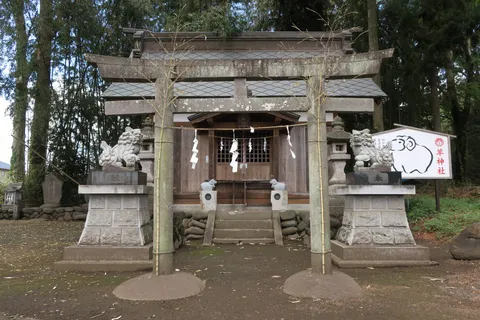
Hitsuji Shrine in Annaka, Gunma Prefecture, is an unstaffed shrine looked after by the head priest of Sakisaki Shrine, and according to Sakisaki Shrine's official website it was founded in the Enpo era (1673-81). Its enshrined deities are Amenokoyane no Mikoto and Tago Hitsuji Dayu Fujiwara no Munekatsu. A feature article on the Gunma tourism site introduces it as a shrine loved as a "guardian of the Year of the Sheep," with "koma-hitsuji" (guardian sheep) wearing bells around their necks and ema with red-nosed sheep. Goshuin are received not at the grounds but at the Sakisaki Shrine office (¥300 for affiliated shrines, official website). As of October 2026, no information about limited-edition 2027 items could be found on the official website.
- 2
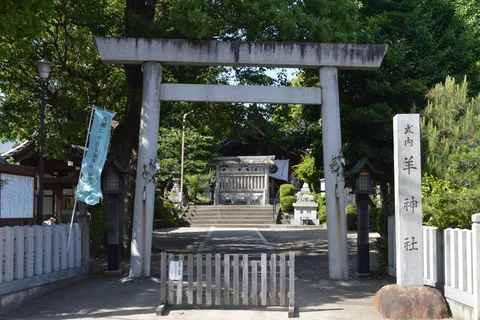
Hitsuji Shrine in Kita Ward, Nagoya, is described in the Nagoya city tourism guide as an old shrine recorded in the Engishiki jinmyocho (register of deities) as "Hitsuji Shrine, Yamada District, Owari Province" (it is a candidate for that listed shrine, and other views exist). The same guide introduces a tradition that the shrine's name comes from Hitsuji Dayu, whose name is carved on the Tago Monument, having had a residence here and enshrined a fire deity. Its enshrined deities are Hinokagutsuchi no Kami and Amaterasu Omikami, so it is not a shrine that enshrines a sheep. According to visitor accounts, water flows from the mouth of a sheep at the hand-washing pavilion, and the grounds have many sheep-themed items, such as statues of a parent and child sheep (koma-hitsuji).
- 3
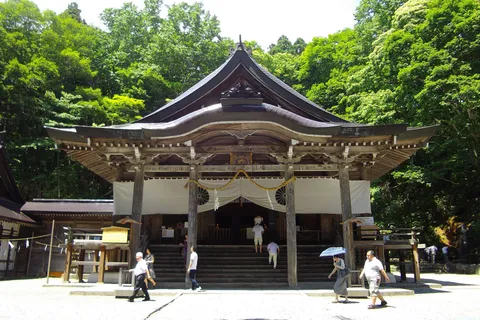
Togakushi Jinja in Nagano City consists of five shrines: Okusha, Chusha, Hokosha, Kuzuryusha and Hinomiko-sha. According to the official website, the Shikinen Taisai has been held since ancient times "every six years, in the Year of the Ox and the Year of the Sheep," and is "Togakushi Jinja's greatest festival." In Reiwa 9 (2027), it is scheduled to run from April 25 (Sunday) to May 25 (Tuesday), with the Togyo no Gi (procession) on May 9 (Sunday), the Okusha Hokokusai on May 15 (Saturday) and the Kangyo no Gi (return procession) on May 23 (Sunday). The official website says that the times and locations of each event will be announced on the official website and Instagram once they are decided.
- 4
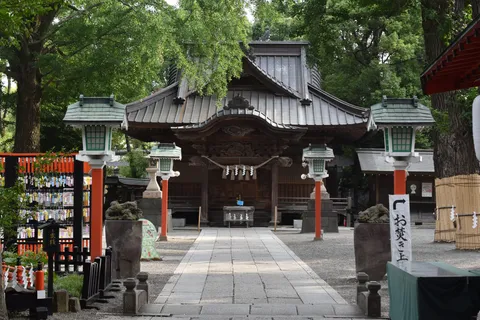
Tanashi Jinja in Nishitokyo, Tokyo, is known as a shrine enshrining the Five Dragon Deities. According to the results page of its official website's ema design contest, the theme of the 10th contest was "Sun and Sheep," and the works of four prizewinners out of 177 entries were chosen as Tanashi Jinja's ema designs for Reiwa 9 (2027), to be produced as ema around the New Year. As of October 2026, the specific dates when they will be offered have not been announced.
What Is the Year of the Sheep (Hitsuji-doshi)?
The Year of the Sheep (Hitsuji-doshi) is the year that falls on “hitsuji” (未) of the Chinese zodiac, and the next one is 2027 (Reiwa 9). According to the zodiac table in the National Astronomical Observatory of Japan’s Reki Wiki, hitsuji corresponds to roughly 1 p.m. to 3 p.m. in terms of time, and the southwest direction between hitsuji and saru (monkey) is called “Hitsujisaru” (坤).
The character 未 itself has long had various explanations: it is said to represent plants growing thick and dark (昧) or fruit ripening and gaining flavor (味), and the animal sheep is often explained as having been assigned to it later as a memory aid. The shrines introduced here relate to the sheep in varied ways: a shrine with a sheep in its name, a shrine with sheep-related lore, a shrine whose festival is held in sheep years, and a shrine planning sheep-year ema.
A Different Kind of Sheep-Year Festival: The Shimosa Sanzan Nana-nen Matsuri
In Chiba Prefecture, the “Shimosa Sanzan Nana-nen Matsuri” (Seven-Year Festival of the Three Mountains of Shimosa) is held in Ox and Sheep years. According to guidance from Chiba Prefecture, Funabashi City and Chiba City, nine shrines in Funabashi, Chiba, Yachiyo and Narashino take part, and the festival is designated an Intangible Folk Cultural Property of Chiba Prefecture (designated in March 2004). It is held every six years, in Ox and Sheep years, and is called the “Seven-Year Festival” because it falls on the seventh year when counted in the traditional way. It consists of a minor festival in September and a major festival in November, and Chiba City’s guidance also introduces the saying “In the Sanzan festival, what comes later comes first.”
2027 is a Sheep year, but the specific 2027 schedule could not yet be confirmed on the guidance pages of Funabashi City, Chiba City or Chiba Prefecture (as of October 2026). If you are thinking of visiting or watching, please check each city’s latest information (Funabashi City’s guidance page). This site does not yet have pages for the shrines that take part in the Shimosa Sanzan Nana-nen Matsuri.
Another Event in Nagano That Year (a Temple)
It is not a shrine, but at Zenkoji Temple in Nagano City, the Maedachi Honzon Gokaicho (special public unveiling of the replica of the main image) is scheduled for April 4 to June 19 in Reiwa 9 (2027), according to the official Gokaicho website. Because the period overlaps with Togakushi Jinja’s Shikinen Taisai (April 25 to May 25), it can be a useful reference when planning a trip to the Nagano area.
Things to Know When Visiting in a Sheep Year
- Zodiac items are often offered from the end of the year: Many shrines begin offering zodiac items such as ema and amulets from the end of the year through around the New Year, and details and dates differ from shrine to shrine. As of October 2026, the only official announcement for 2027 that we could confirm among the shrines introduced here was Tanashi Jinja’s ema. Please check each shrine’s official website for whether items will be offered and when.
- Hitsuji Shrine (Annaka) is an unstaffed shrine: Goshuin and offered items are received at the Sakisaki Shrine office, which looks after it. Before visiting, please check the Sakisaki Shrine office’s reception hours and other details.
- Check for further news on the Togakushi Jinja Shikinen Taisai schedule: The period has been announced officially, but the times and locations of each event are to be announced once decided. It may also be crowded during the period.
- Tell the sources of introductory articles apart: Items such as the “koma-hitsuji” and sheep ornaments are mainly introduced by tourism sites and visitor accounts rather than the shrines’ official websites. Please see how things actually look when you visit in person.
You can find full details on each shrine’s history, access, and goshuin information on its individual page.