History
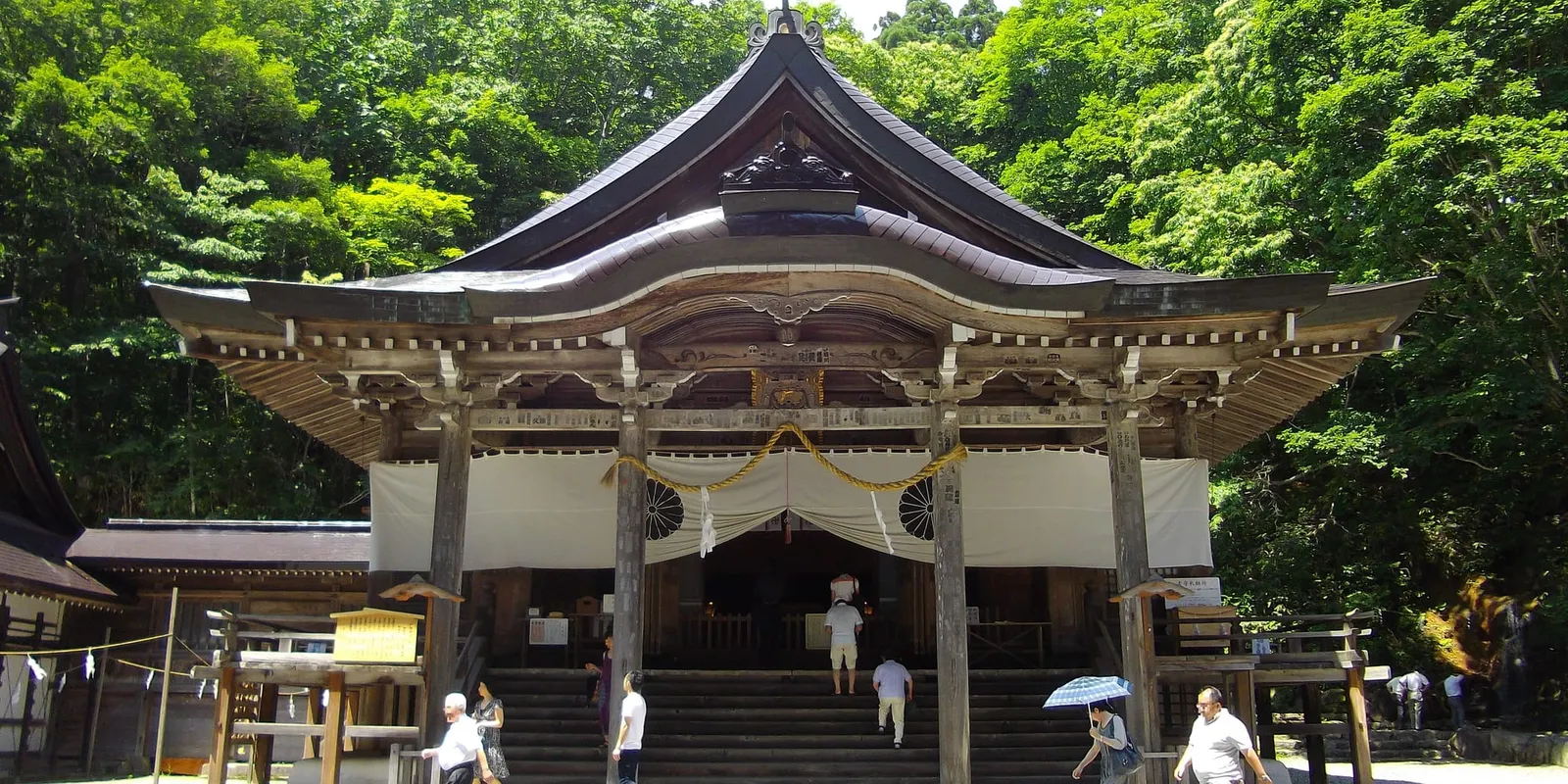
Togakushi Jinja is made up of five separate shrine sites clustered around the base of the sacred Mt. Togakushi: Okusha (the innermost, main shrine), Chusha (the middle shrine), Hokosha, Kuzuryusha, and Hinomiko-sha. Tradition traces its origins back to the age of the gods. According to myth, when the sun goddess Amaterasu hid herself away behind the “Ama-no-Iwato,” the heavenly rock door, the mighty god Amenotajikarao no Mikoto tore the door open and hurled it away — and the door is said to have flown here and become Mt. Togakushi itself. The place name “Togakushi” (“hidden door”) comes directly from this legend. By the late Heian period, the mountain had become renowned even in the capital as a major training ground for Shugendo ascetics, known as “Togakushi Shugen,” and remained a center of mountain worship blending Shinto and esoteric Buddhism for centuries, until the Meiji-era separation of Shinto and Buddhism reshaped it into the shrine complex seen today.
Chusha itself is said by shrine tradition to have been founded in 1087, roughly midway between Okusha and Hokosha. Its enshrined deity is Amenoyagokoro Omoikane no Mikoto, the god of wisdom credited in myth with devising the plan that lured Amaterasu out of hiding. Being the most accessible of the five sites, Chusha now houses the shrine’s central administrative office and serves as the effective hub of the complex — the starting point for most visitors.
Highlights
The single greatest highlight at Chusha is the “Sanbon Sugi,” a trio of giant cedar trees standing before the torii gate, estimated at roughly 800 years old. Designated natural monuments of Nagano City, these towering trees — with trunk circumferences of 7 to 16 meters and heights around 40 meters — speak to Togakushi’s long history. The grounds also hold an ancient tree revered as a sacred tree of good relationships, drawing many visitors.
The roughly 2-kilometer approach path leading from Chusha to Okusha, lined with cedars over 400 years old, is considered the single most beautiful stretch in all of Togakushi, and passing beneath its vermilion Zuijinmon Gate along the way is a highlight for many travelers. For those wanting to go further, Kagami-ike, a pond at 1,200 meters elevation that mirrors the Togakushi mountain range on its surface, rewards the extra walk with an even deeper taste of the region’s natural beauty.
Visiting Tips
Chusha alone can be visited in about 30 minutes, but Togakushi Jinja truly reveals itself only when all five shrines are explored together. In particular, the round trip on foot between Chusha and Okusha takes about 1.5–2 hours, so it’s worth allowing plenty of time. In winter, snow can restrict access to some stone-step routes, so dress and shoe appropriately for the season. Goshuin stamps can be received at the office just past the ablution hall on the main approach, or at the office near the Chusha west parking lot.
Annual Festivals
- New Year’s Festival (January 1): A rite welcoming the new year and praying for a year of safety and prosperity.
- Annual Festival (August 8): Chusha’s most important festival, featuring sacred kagura dance performances and drawing large crowds.
- Shikinen Taisai (once every seven years, in the Year of the Ox and Year of the Sheep): A special rite in which Hokosha’s deity visits Chusha, ranked alongside Suwa Taisha’s Onbashira Festival as one of the region’s great periodic festivals.
- Great Purification Rite (June 30 and December 31): A ceremony cleansing the impurities of the past half-year and welcoming the season ahead with a renewed spirit.
Nearby Food & Sightseeing
- Uzuraya: A famed soba restaurant right by Chusha that has served Togakushi soba for over 50 years, known for “bocchi-mori,” a style of serving noodles in small individual bundles on round bamboo trays woven from local dwarf bamboo.
- Kagami-ike (Mirror Pond): A highland pond at 1,200 meters elevation reflecting the Togakushi mountain range on its surface, especially breathtaking — and popular with photographers — during the autumn foliage season.
- Togakushi Ski Area: A highland ski resort about 10 minutes by car from Chusha, offering good snow conditions in winter and doubling as a popular campground in summer.
Frequently Asked Questions
- Q. What are the visiting hours?
- A. The grounds are open to visitors at all times. The office is open roughly 9:00–17:00, with shorter hours in winter.
- Q. When is the goshuin office open?
- A. Roughly 9:00–17:00 (shorter hours, to around 16:00, in winter), for ¥300.
- Q. Is there parking?
- A. Yes, free parking is available at the entrance to Chusha's west approach, with overflow lots nearby when full.
- Q. Is it true that Togakushi Jinja is made up of five separate shrines?
- A. Yes. The complex consists of Okusha, Chusha, Hokosha, Kuzuryusha, and Hinomiko-sha, and the roughly 2-kilometer approach path between Chusha and Okusha is lined with cedars over 400 years old.
- Q. How do I get there?
- A. About 60 minutes by Alpico Kotsu bus from JR/Hokuriku Shinkansen Nagano Station, alighting at the Chusha stop right by the shrine; about 40 minutes by car from Shinano-machi IC or Nagano IC on the Joshin-etsu Expressway.
Related Shrines
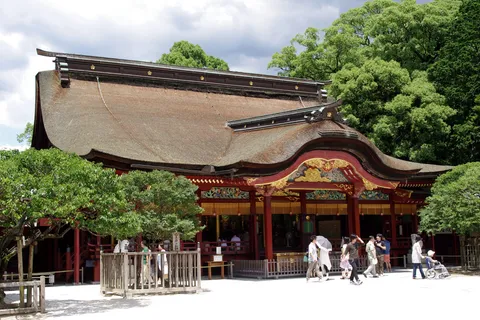
Fukuoka Prefecture, Dazaifu
Dazaifu Tenmangu
Dazaifu Tenmangū
- Academic Success
- Exam Success
- Protection from Misfortune
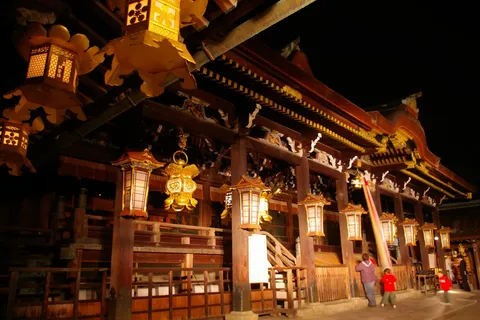
Kyoto Prefecture, Kamigyo Ward, Kyoto
Kitano Tenmangu
Kitano Tenmangū
- Academic Success
- Exam Success
- Protection from Misfortune
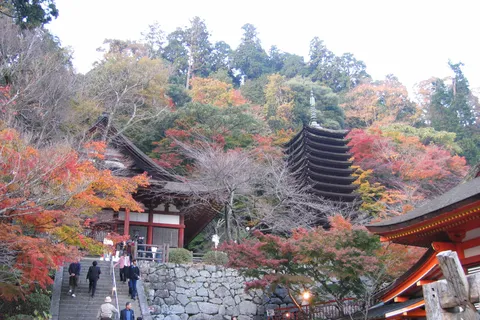
Nara Prefecture, Sakurai
Tanzan Jinja
Tanzan-jinja
- Academic Success
- Good Fortune
- Protection from Misfortune