History
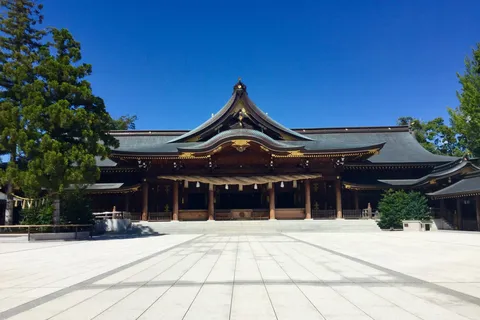
Hakone Jinja traces its founding to 757 CE (Tenpyo-hoji 1), in the early Nara period, when the ascetic priest Mangan Shonin, while training in the mountains of Hakone, received a divine revelation from the Hakone deities and established a shrine at the current site on the shore of Lake Ashi. Some accounts hold that Mangan Shonin relocated mountain deities once worshipped near the summit of Mt. Komagatake down to this spot. Ever since, the shrine has been revered for over 1,200 years as the guardian shrine of the entire Kanto region.
The 13th-century chronicle “Azuma Kagami” records that Gyojitsu, the shrine’s chief priest, sheltered Minamoto no Yoritomo after his defeat at the Battle of Ishibashiyama, sparking devotion from Yoritomo and the Kamakura-era warrior class that followed. During the Edo period, the shrine also drew the faith of travelers passing through the nearby Hakone checkpoint on the Tokaido highway, who prayed for safe passage — a tradition reflected today in the shrine’s reputation for traffic safety and the fulfillment of heartfelt wishes.
Highlights
The vermillion “Heiwa no Torii” (Torii of Peace) standing in Lake Ashi was erected in 1952 to commemorate both the signing of the Treaty of San Francisco and the investiture ceremony of then-Crown Prince Akihito. The characters for “peace” on the gate’s plaque were written by former Prime Minister Shigeru Yoshida. With Mt. Fuji rising beyond the torii across the water, the scene is one of Hakone’s most celebrated views and draws visitors and photographers from around the world.
The grounds are also home to the sub-shrine Kuzuryu Jinja (Shingu), said to enshrine a once-fearsome nine-headed dragon that Mangan Shonin subdued and who, having reformed, became the guardian deity of Lake Ashi. It is revered for financial fortune, business prosperity, and good relationships. The dragon deity’s original birthplace is honored at the Kuzuryu Jinja Honengu on the far shore of the lake, and monthly festivals on the 13th — especially the June 13 grand festival — draw large crowds.
Visiting Tips
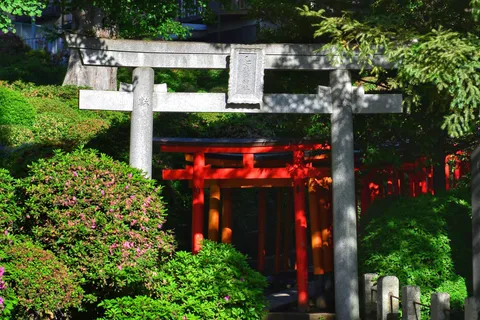
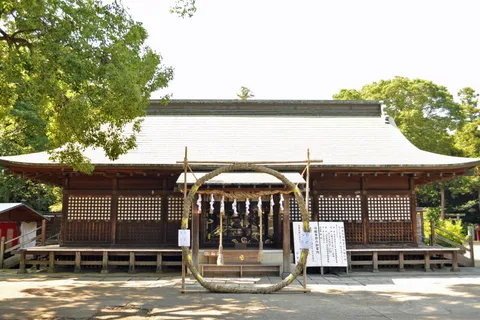
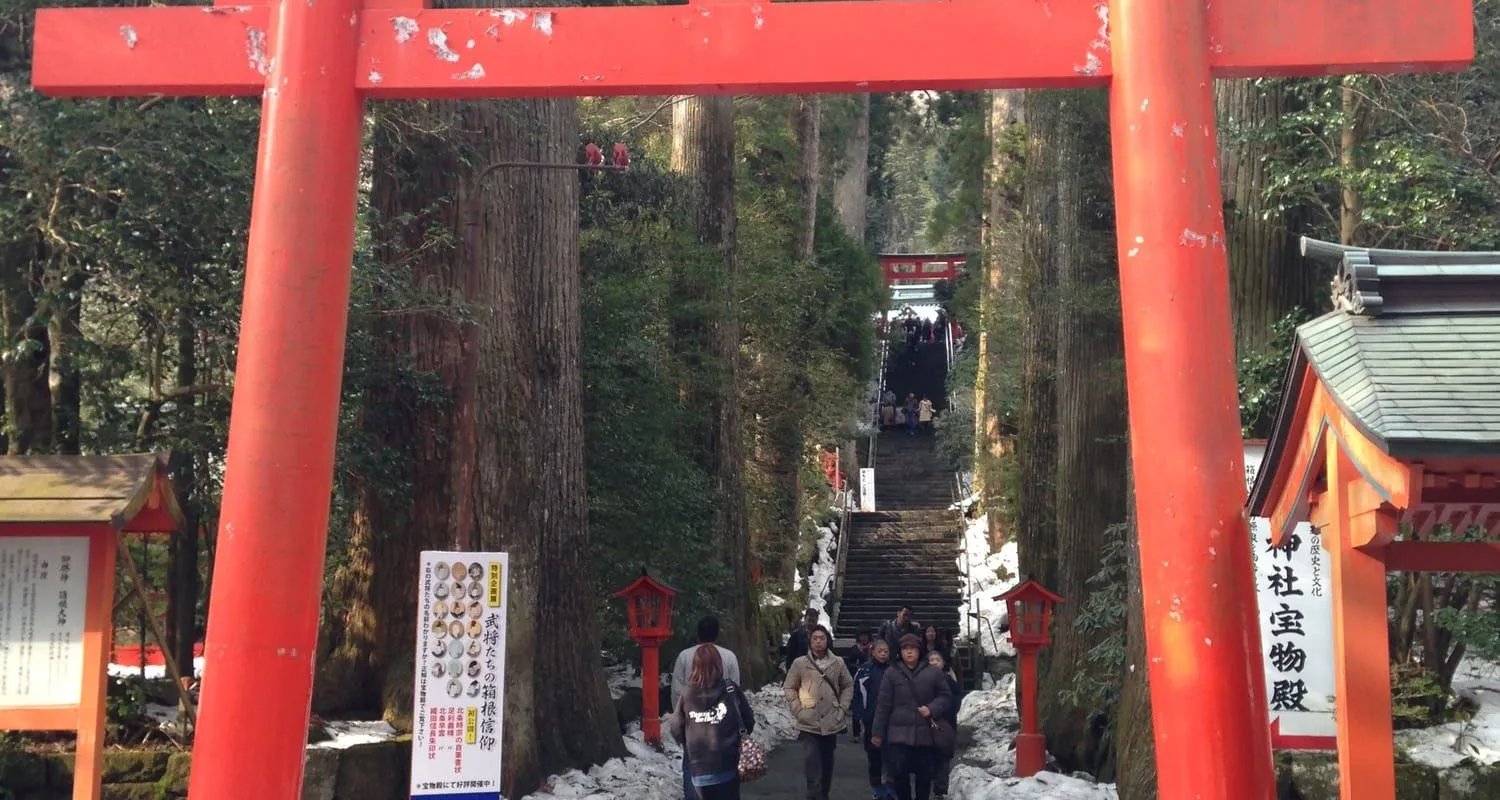
The approach to the main hall runs beneath a canopy of tall cedars and a series of vermillion torii gates. The shrine grounds themselves are open to visitors at any time, but the office that issues goshuin and prayer requests keeps set hours of 8:15–17:00, so it’s worth planning around that window. A popular way to see the shrine is from the water — sightseeing boats and the Hakone Pirate Ship cruise past the lake torii, offering a different view than the one from the shore. Visiting the Kuzuryu Jinja sub-shrine alongside the main shrine is said to bring even greater blessings.
Annual Festivals
- Setsubun Festival (February 3): Alongside the traditional bean-throwing, the festival’s signature event sees a performer dressed as a demon fleeing across Lake Ashi on water skis while visitors pelt him with beans from boats — a lakeside twist on the “chasing away the demon” ritual. Fireworks are held the evening before.
- Kuzuryu Jinja Monthly Festival (13th of every month): Held at the Kuzuryu Jinja sub-shrine (Shingu), with the June 13 grand festival drawing especially large crowds.
- Lake Water Festival (July 31): A ceremony held on the water to give thanks to Kuzuryu Okami, the guardian deity of Lake Ashi.
- Main Grand Festival (August 1): One of Hakone Jinja’s most important annual observances.
Nearby Food & Sightseeing
- Hakone Amazake Chaya: A teahouse dating to the early Edo period, famous for its gently sweet amazake made only with rice koji (¥400), and mochi coated in roasted soybean flour.
- Hatsuhana Soba (Main Shop): A long-established soba restaurant known for noodles made the old-fashioned way, using only wild yam and egg with no added water. The yamakake soba is especially popular.
- Onshi Hakone Park: A park built on the former site of the Hakone Imperial Villa, jutting into Lake Ashi. The lakeside observation hall offers sweeping views of both Mt. Fuji and the lake.
- Narukawa Art Museum: A museum on the shore of Lake Ashi dedicated to Japanese painting, whose observation lounge offers one of the finest views of Mt. Fuji over the lake.
Frequently Asked Questions
- Q. What are the visiting hours?
- A. The grounds are free to enter at any time. The prayer/amulet office is open 8:15–17:00, and the treasure hall is open 9:00–16:00.
- Q. When is the goshuin office open?
- A. 8:15–17:00, from ¥300. Several types of goshuin are available, including Hakone Jinja and Kuzuryu Jinja (Shingu).
- Q. Is there parking?
- A. Yes, a visitor parking lot (about 180 spaces) is available from 7:00 to 17:00.
- Q. How do I get there?
- A. About a 40-minute bus ride from Hakone-Yumoto Station, getting off at "Motohakone" or "Hakone Jinja-iriguchi" and walking about 10 minutes.
- Q. What is the red torii gate standing in the lake?
- A. It's called the "Heiwa no Torii" (Torii of Peace), built in 1952 to commemorate the Treaty of San Francisco. Standing in Lake Ashi with Mt. Fuji visible behind it, it's one of Hakone's most iconic photo spots.