History
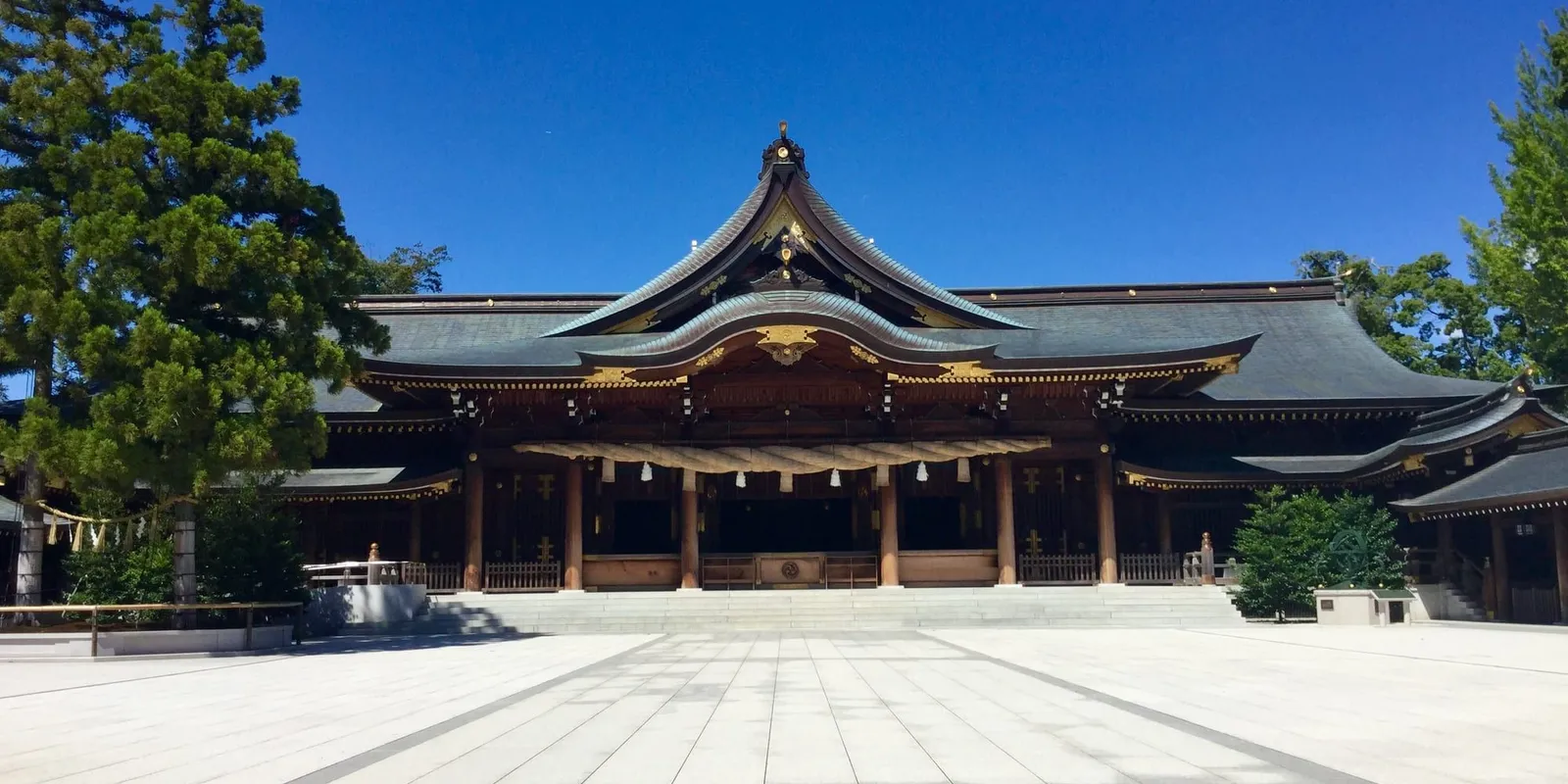
Samukawa Jinja stands in Miyayama, Samukawa, close to the geographic center of Kanagawa Prefecture, and holds the rank of Ichinomiya (first shrine) of the old Sagami Province. Its exact founding date is unknown, but the ancient chronicle “So-koku Fudoki” records that offerings were made here during the reign of Emperor Yuryaku in the late 5th century, and the “Ruiju Kokushi” records that shrine buildings were constructed in 727 CE — together suggesting a history stretching back more than 1,600 years. The 10th-century “Engishiki” register of shrines names Samukawa Jinja as the sole Myojin Taisha (highest-ranked shrine) among the thirteen shrines of Sagami Province, reflecting its status as one of the Kanto region’s most venerable sites.
The two enshrined deities, Samukawahiko-no-Mikoto and Samukawahime-no-Mikoto, are worshipped together as “Samukawa-Daimyojin.” They are credited with developing the Sagami region and establishing the foundations of food, clothing, and shelter for its people. From the Kamakura period onward, the shrine drew devotion from generations of warriors and rulers, including Minamoto no Yoritomo, the Hojo clan, Takeda Shingen, and the Tokugawa shogunate.
Highlights
Samukawa Jinja is known nationwide as the sole home of “happo-yoke” — a unique form of protection, found only here, that wards off misfortune arising from any of the eight directions, whether rooted in land, house layout, compass direction, unlucky calendar dates, or one’s yakudoshi (unlucky age). Visitors travel from across Japan to pray here before moving house, building or renovating a home, setting out on a journey, or starting a new business venture.
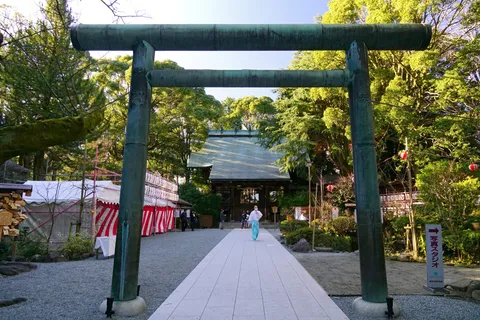
The grounds feature a striking all-cypress Shinmon gate, built to commemorate the wedding of the then-Crown Prince, along with amulets and symbols drawing on the shrine’s signature eight-directions motif. The adjoining Kandakesan Shinen garden offers seasonal natural scenery worth a stroll before or after paying your respects.
Visiting Tips
The spacious grounds run in a straight line from the approach to the main hall, and the shrine sees some of the largest hatsumode (New Year’s first visit) crowds in Japan during the first three days of January. If you’d rather avoid the crowds, visiting after the New Year period has settled down is a good alternative. Happo-yoke prayer rituals are held at the prayer hall beside the main shrine and can be requested at almost any time — popular reasons include moving house, building a new home, and having a car blessed. The Sanshuden hall next to the shrine houses a restaurant, convenient for a meal or rest before or after your visit.
Annual Festivals
- New Year’s Rite (January 1): The year’s first happo-yoke prayers are offered, and the grounds are packed with hatsumode visitors.
- Kokufu-sai / Konomachi (May 5): A Kanagawa Prefecture-designated intangible folk cultural property in which six leading shrines of the old Sagami Province — Samukawa Jinja, Kawawa Jinja, Hibita Jinja, Sakitori Jinja, Hiratsuka Hachimangu, and Rokusho Jinja — gather at Mt. Kamisoro in Oiso. A ceremonial exchange called “zamondo” is performed between Samukawa Jinja, the Ichinomiya (first shrine), and Kawawa Jinja, the Ninomiya (second shrine).
- Hamaori Festival (around Marine Day in July): A dramatic dawn festival in which mikoshi (portable shrines) from shrines across the region, including Samukawa Jinja’s own, converge on Nango Beach in Chigasaki.
- Main Grand Festival (September 20): The year’s most important festival, preceded on the 19th by a dedication of yabusame, or mounted archery.
Nearby Food & Sightseeing
- Restaurant Aoba (Sanshuden Hall): Located inside the Sanshuden hall next to the shrine, serving everything from Chinese dishes like ramen and fried rice to Japanese and Western fare — handy for a break before or after your visit.
- Chinju no Mori Koyo: A two-story building at the entrance to the second parking lot, with a souvenir shop downstairs and a cafe-restaurant upstairs.
- Monzen Dango Chaya: A sweets shop right by the shrine, popular for dango and other traditional snacks on the way out from your visit.
- Komeda’s Coffee (Samukawa): A cafe within walking distance of the shrine, good for a relaxed breakfast or a coffee break.
Frequently Asked Questions
- Q. What are the visiting hours?
- A. The grounds are open to visitors from 6:00 until sunset. Prayer requests, including happo-yoke rituals, are accepted from 8:00 to 17:00.
- Q. When is the goshuin office open?
- A. Around 8:00–17:00. There's no fixed fee for the goshuin — visitors offer what they feel is appropriate. Limited-edition goshuin, such as those issued during the New Year period, may carry a set fee.
- Q. Is there parking?
- A. Yes, free visitor parking is available with space for about 400 vehicles.
- Q. How do I get there?
- A. About a 5-minute walk from Miyayama Station on the JR Sagami Line, or about 3 minutes by car from the Samukawa-Kita interchange on the Ken-O Expressway.
- Q. What is "happo-yoke"?
- A. Happo-yoke is Samukawa Jinja's unique and singular divine virtue, said to protect against misfortune arising from any direction — whether tied to land, house layout, compass direction, unlucky dates, or one's yakudoshi (unlucky age). It has been sought by warriors from Minamoto no Yoritomo to Takeda Shingen throughout history.