History
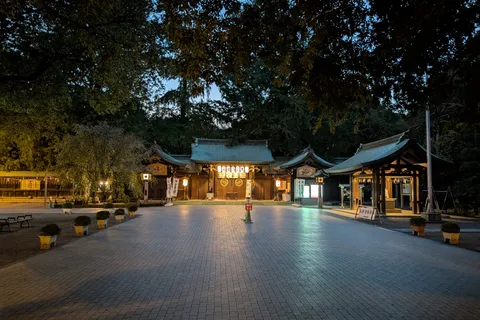
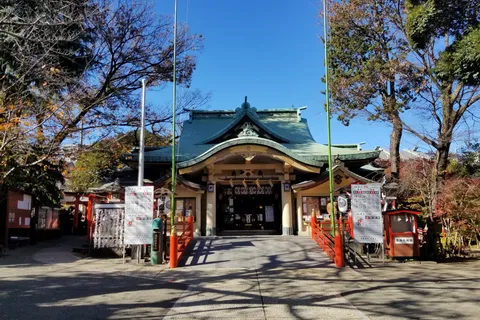
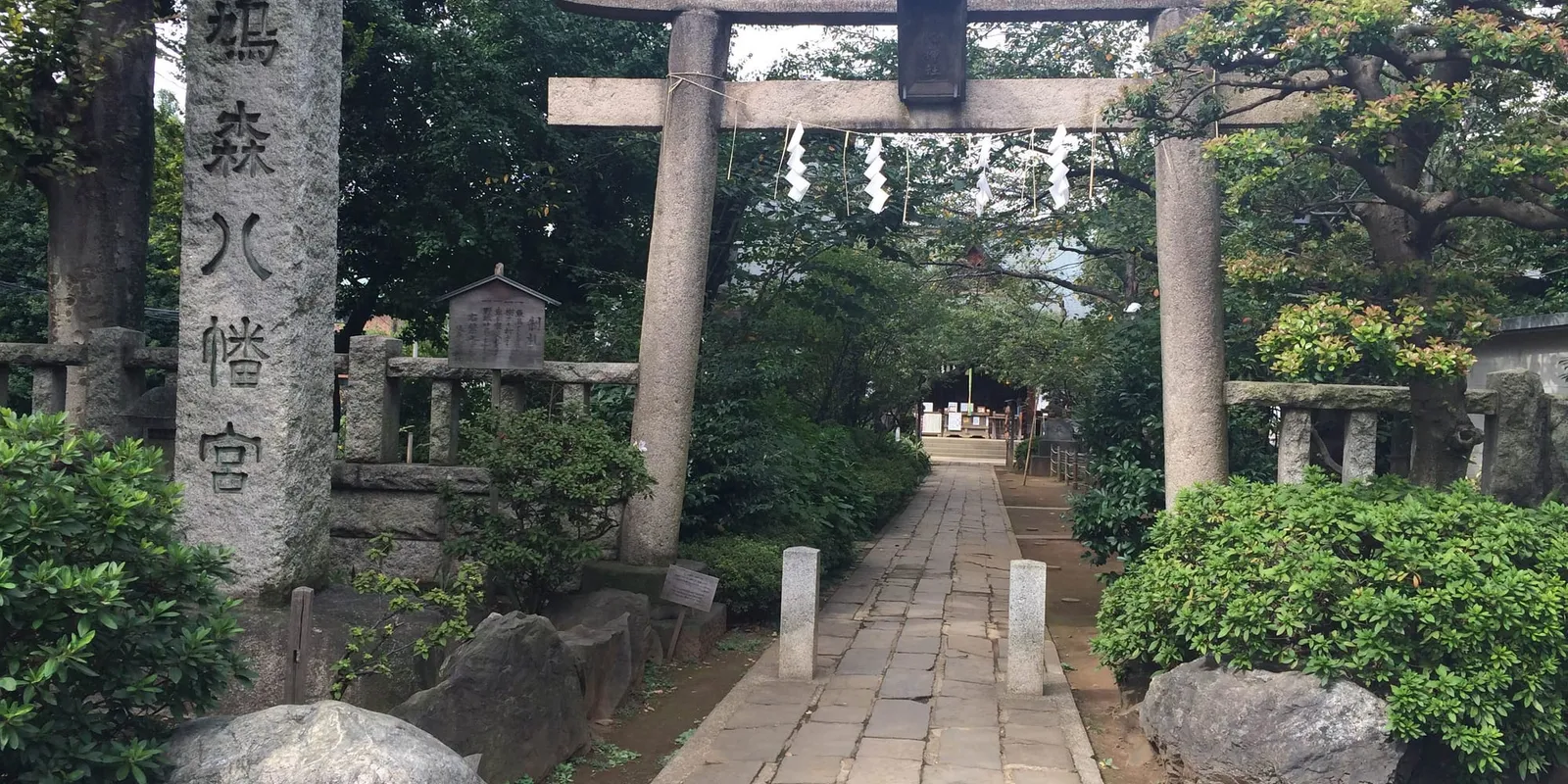
Hatonomori Hachiman Shrine is a Hachiman shrine in Sendagaya, Shibuya, Tokyo. Its name is read “Hatonomori Hachiman Jinja,” and its dense grounds sit among houses and office buildings. The official site names Emperor Ojin and Empress Jingu as the enshrined deities.
According to the history on the official site, auspicious clouds often hung over the forest here long ago. One day a cloud descended from the blue sky, and when villagers went into the trees they saw many white doves fly west. Taking this as a good omen, they built a small shrine and named the place “Hatonomori” (Grove of Doves), as the story goes. In 860 (Jogan 2), the priest Jikaku Daishi (Ennin), who was spreading Buddhist teachings across the Kanto region, is said to have made statues of Empress Jingu, Emperor Ojin and Kasuga Myojin at the villagers’ request and added them, and the shrine came to be revered as Sho-Hachimangu; the official site cites the “Edo Meisho Zue.” All of this is the shrine’s own account of its history.
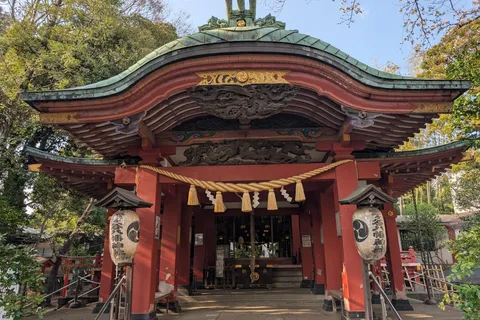
The shrine hall was raised in zelkova wood in 1845 (Koka 2) but was destroyed in the war in 1945. After postwar rebuilding, a restoration to the prewar appearance began in 1990 to commemorate the Imperial enthronement ceremony, and, per the official site, was completed in June 1993. The present hall is solid zelkova, with 108 ceiling paintings of flowers and everyday objects, following the painted ceilings of the prewar hall. A ginkgo tree that survived the wartime fires is the shrine’s sacred tree.
Highlights
The best-known feature is the Sendagaya Fuji mound (Sendagaya no Fujizuka). According to the official site, it is said to have been built in 1789 (Kansei 1), is a Tokyo Metropolitan Tangible Folk Cultural Property (designated March 12, 1981), and is regarded as the oldest surviving Fuji mound in Tokyo. It was repaired after the Great Kanto Earthquake. A round mound with an inner shrine of Asama Shrine at the summit and a base shrine at its foot, it has a cave at the seventh station holding a statue of Jikigyo Mitsuroku. The path uses natural stones as steps, and the official map lists the Turtle Rock, Shaka’s Split Rock, and the Golden and Silver Springs along the route.
In front of the mound’s torii stands a stone guardian dog whose pedestal is reported to have been inscribed with the year 1735 (Kyoho 20). A hollow in its head holds water, so the official site calls it the “kappa komainu,” but it notes that no records explain its origin and that explanations for the hollow are unconfirmed.
Another distinctive feature is the shrine’s tie to shogi. The hexagonal “Shogi-do” on the grounds was built jointly by the shrine and the Japan Shogi Association across the road, and holds a 1.2-meter zelkova shogi piece donated in 1986 by Yasuharu Oyama, the 15th Meijin and then president of the Association. The piece sits on a granite shogi board with the Hachiman deity enshrined behind it. The hall is normally closed, and ema can be hung to pray for improved shogi skill.
The grounds also hold the auxiliary shrines Koga Inari, Fuji Sengen and Shinmei, a Noh stage rebuilt in 2000 (wooden irimoya-style), and a Koshin mound.
Visiting Tips
The grounds are open 24 hours, but the amulet office is open 9:00 AM–5:00 PM and prayer services in the hall run 9:00 AM–4:00 PM, with reservations recommended (official site). The shrine handles cash only and says it cannot give change for offering coins.
The goshuin costs ¥500, and goshuin books are ¥2,500 (large) or ¥2,000 (floral, red or green). The official site gives no separate goshuin hours, and goshuin are not sent by mail. Shogi-themed items listed on the official site include the Ote Kachi-mamori (¥1,200), Ote-mamori (¥800), Ote-mikuji (¥200), and a shogi-skill ema (¥800). Individual prayer services cover protection from misfortune, safe childbirth, first shrine visits for babies, and Shichi-Go-San.
The Fuji mound can generally be climbed at any time, but it may be closed during ceremonies, cleaning or pruning work, and the May Takigi Noh. It is dark and unsafe at night, so climbing in daylight is advised. Personal photos are allowed on the grounds; see the “FAQ” page on the official site for rules on filming and shoots.
It is about a 5-minute walk from Sendagaya Station (JR Sobu Line), Kokuritsu-Kyogijo Station (Toei Oedo Line) or Kita-Sando Station (Tokyo Metro Fukutoshin Line). Parking is limited to 4 spaces for worshippers.
Annual Festivals
- Saitan-sai and New Year Noh chanting (January 1): Utai (Noh chanting) is offered on the Noh stage from midnight. The amulet office opens from midnight until about 2:00 AM on January 1 only.
- Shogi-do Prayer Ceremony (January 5): A prayer for the progress of the shogi world and improved skill, held with the normally closed Shogi-do opened. The Association’s president and professional players attend.
- Setsubun-sai (February 3): After a rite in the hall, beans are thrown in the grounds. No application is needed to join the bean-throwing.
- Koga Inari Shrine Festival (April 15): A festival for Ukanomitama, the kami of grain and farming. Attendance requires an inquiry to the shrine beforehand.
- Hatonomori Takigi Noh (May): Firelit Noh on the Noh stage. In 2026 the 25th performance was held on Saturday, May 9.
- Fuji Sengen Shrine Festival (June 3): After the ceremony, priests and worshippers climb the Fuji mound. The official site says anyone can join the climb.
- Nagoshi no Oharae (June 30): A purification rite for the first half of the year, with no application needed. Bring a paper effigy and offering.
- Annual festival (September, second Saturday and Sunday): Described as the shrine’s most important festival, with stalls in the grounds, Noh offerings, and portable shrines from the parish’s eight neighborhood associations. Once every three years a joint procession is held, and in 2026 it took place on September 12 and 13. For 2027 the plan is an eve festival with a Noh offering on day one and the main ceremony on day two.
- Memorial Service for the War Dead (October 21): A rite to console those who died in war and wartime disasters. Attendance requires an inquiry beforehand.
- Shichi-Go-San (November 15): Prayers are offered for one family at a time, not in groups.
- Niiname-sai (November 27): The harvest thanksgiving festival is held on November 27 every year.
- Toshikoshi no Oharae (December 30): Like the June rite, open to anyone.
Event dates and attendance rules change from year to year, so check the “Annual Events” page on the official site for the latest.
Nearby Food & Sightseeing
- Japan Shogi Association (Tokyo Shogi Kaikan): According to the official site, it faces the shrine across a road, and the Shogi-do was built through their cooperation. A handy landmark for a shogi-themed walk.
- Japan National Stadium: The stadium gives its name to Kokuritsu-Kyogijo Station, one of the shrine’s nearest stations. The shrine’s report says the departure ceremony for the 2026 annual festival’s joint portable-shrine procession was held here.
- Tokyo Metropolitan Gymnasium: A large sports facility near Sendagaya Station, a handy landmark for a stroll before or after your visit.
- Shinjuku Gyoen (Sendagaya Gate): A garden within walking distance of Sendagaya Station, offering green space in the city center. Check opening hours and admission on the official information before you go.
Frequently Asked Questions
- Q. What are the visiting hours?
- A. The official site says the grounds can be visited 24 hours a day, every day of the year. The amulet office, which handles charms and goshuin, is open 9:00 AM–5:00 PM every day, and prayer services in the hall run 9:00 AM–4:00 PM, with reservations recommended. The Fuji mound is dark and unsafe at night, so climbing in daylight is advised.
- Q. Can I get a goshuin at Hatonomori Hachiman Shrine?
- A. Yes. The official site's amulet page lists the goshuin at ¥500. No separate goshuin hours are given, so use the amulet office's 9:00 AM–5:00 PM (every day) as a guide. Goshuin are not mailed. Goshuin books are ¥2,500 (large) or ¥2,000 (floral, red or green). The shrine says payment is by cash only.
- Q. How do I get there, and is there parking?
- A. The official site gives about a 5-minute walk from each of Sendagaya Station (JR Sobu Line), Kokuritsu-Kyogijo Station (Toei Oedo Line) and Kita-Sando Station (Tokyo Metro Fukutoshin Line). There are only 4 parking spaces, reserved for worshippers. People attending a prayer service can reserve one by contacting the shrine in advance; otherwise public transport is easier.
- Q. What is the Shogi Hall (Shogi-do)?
- A. It is a small hexagonal hall on the grounds that, according to the official site, the shrine built in cooperation with the Japan Shogi Association, which stands across a road from it. Inside, a 1.2-meter zelkova shogi piece donated in 1986 by Yasuharu Oyama, the 15th Meijin and then president of the Association, sits on a granite shogi board, with the Hachiman deity enshrined behind it. The Association's president and professional players attend the Shogi-do Prayer Ceremony held on January 5 each year.
- Q. Can I climb the Sendagaya Fuji mound?
- A. Per the official site, you can generally climb it at any time, but it may be closed during ceremonies, cleaning or pruning work, and the Takigi Noh performance in May. It is said to have been built in 1789 and is a Tokyo Metropolitan Tangible Folk Cultural Property (designated March 12, 1981). On June 3 each year, priests and worshippers climb it after the Fuji Sengen Shrine festival.
Plan Your Visit
Before you go, you can book a stay and get your shrine-visit items ready.
Amazon links open Amazon.co.jp (Japan) in English; whether an item ships overseas depends on the product.
※ Contains ads (PR). Links open external sites such as Amazon, Rakuten, Trip.com and Booking.com.