History
Isonokami Jingu is among Japan’s very oldest shrines, mentioned by name in the 8th-century chronicle Nihon Shoki. According to shrine tradition, in the 7th year of Emperor Sujin’s reign, Ikagashikoo no Mikoto, ancestor of the powerful Mononobe clan, enshrined the sacred sword Futsu-no-Mitama at this site, known as Furu-no-Takaniwa — the origin of the shrine. In mythology, this sword was said to have saved Emperor Jinmu during his eastern expedition, and its divine spirit is worshipped today as the shrine’s principal deity, Futsu-no-Mitama no Okami.
From ancient times through the medieval period, Isonokami Jingu served as the clan shrine of the Mononobe, a family that oversaw military affairs and ritual for the Yamato court and maintained the court’s armory. The shrine is also famous for the national treasure Seven-Branched Sword (Shichishito), unearthed on the grounds in the Meiji era. Said to have been presented to Wa (ancient Japan) by the kingdom of Baekje on the Korean peninsula, this iron sword survives today as a precious record of ancient exchange between Japan and the Korean peninsula, carefully preserved among the shrine’s treasures.
The current main sanctuary (honden) was only built in 1913; before that, the shrine had no honden at all, and the sacred sword was enshrined directly within a forbidden sacred precinct (kinsokuchi) behind the worship hall — one of the oldest surviving forms of shrine worship in Japan. This tradition of venerating a sealed sacred ground is precisely why Isonokami Jingu is sometimes called “the shrine among shrines.”
Highlights
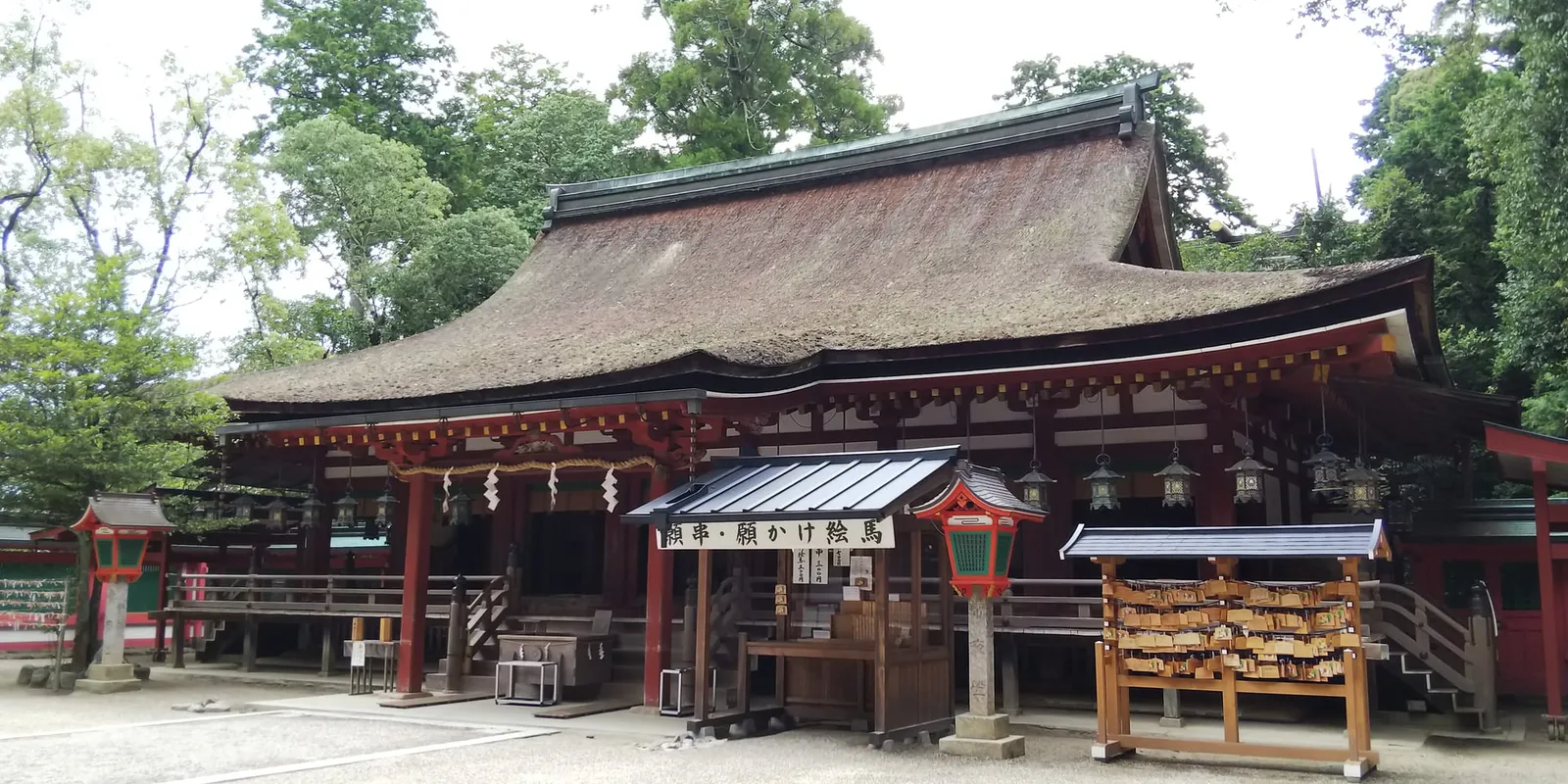
The shrine’s worship hall (haiden), a National Treasure, is one of the oldest surviving haiden structures in Japan, believed to date to the early Kamakura period. Though simple in design, it carries an air of great dignity. The grounds are thick with towering cedar and zelkova trees, wrapping the shrine in the hushed atmosphere of a deep forest.
Isonokami Jingu is equally famous for the “sacred chickens” (shinkei) that roam freely across the grounds. In reference to the legend of the “long-crowing bird of the eternal world” that heralded Amaterasu Omikami’s emergence from the heavenly rock cave, around 30 chickens of several breeds — including the Totenko and the fluffy-feathered Ukokkei — are kept here as divine messengers, greeting visitors as they wander the precinct. The Kagami-ike pond on the east side of the grounds is also known for a rare freshwater fish called the Watari-buna (Ischikauia steenackeri).
Isonokami Jingu also marks one end of the Yamanobe-no-michi, Japan’s oldest road, which runs north-south along the eastern edge of the Yamato Basin. Following it roughly 16 kilometers south leads to Omiwa Jinja, another of Japan’s most ancient shrines. Dotted with ancient burial mounds and stone monuments inscribed with poems from the Manyoshu anthology, the path is a favorite route for hikers seeking a walk through history.
Visiting Tips
Isonokami Jingu is easy to reach, about 30 minutes on foot from Tenri Station or roughly 10 minutes by bus. Visiting the grounds and the National Treasure haiden alone takes about 30–40 minutes, but walking the full Yamanobe-no-michi to Omiwa Jinja is a 3–4 hour trek, so comfortable shoes and plenty of water are recommended. The shrine office, just inside the tower gate on the right, offers goshuin as well as popular items such as chicken-themed fortune slips and amulets modeled on the National Treasure Seven-Branched Sword.
Annual Festivals
- Setsubun Festival (February 3): A rite praying for good health throughout the year, featuring a traditional bean-scattering ceremony.
- Shinken Togyo Festival “Denden Matsuri” (June 30): A time-honored festival in which the sacred sword is ceremonially conveyed to the auxiliary Izumo Takeo Shrine for a rice-planting rite; its nickname comes from the “den-den” sound of the ritual drums.
- Grand Festival “Furu Matsuri” (October 15): The most important festival of the year, at which an imperial messenger attends and time-honored Shinto rites are performed.
- Chinkon Festival (November 22): A mysterious rite held through the night, said to calm the spirit and restore vital energy.
Nearby Food & Sightseeing
- Yamanobe-no-michi: Japan’s oldest road, connecting Isonokami Jingu to Omiwa Jinja. A popular hiking route through farmland dotted with ancient burial mounds and poetry monuments.
- Tenri University Sankokan Museum: An archaeology and folklore museum a short walk from Isonokami Jingu, displaying artifacts of daily life and archaeological art from around the world.
- Saika Ramen Main Shop: Widely regarded as the originator of “Tenri ramen,” a local specialty known for its spicy soy-based broth piled high with napa cabbage.
Frequently Asked Questions
- Q. What are the visiting hours?
- A. Worship is roughly 5:30–17:30 (varies by season); the shrine office is open roughly 8:00–17:00.
- Q. When is the goshuin office open?
- A. Roughly 8:00–17:00, for ¥300.
- Q. Is there parking?
- A. Yes, four parking lots around the grounds offer about 200 free spaces total.
- Q. What are the chickens roaming the grounds?
- A. They're called "shinkei" (sacred chickens) — about 30 birds, including breeds like Toten-ko and silkies, kept as messengers of the gods in reference to a legend about Amaterasu.
- Q. How do I get there?
- A. About a 30-minute walk from JR/Kintetsu Tenri Station.
Related Shrines
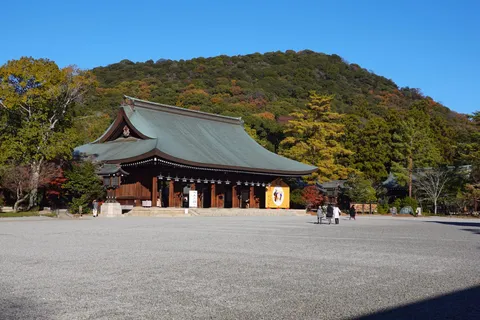
Nara, Kashihara
Kashihara Jingu
Kashihara-jingū
- Peace of the Nation
- Good Fortune
- Household Safety
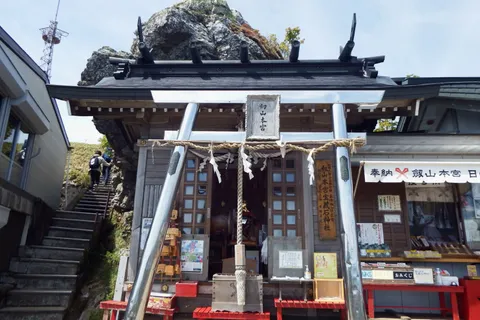
Tokushima Prefecture, Mt. Tsurugi Summit, Mima
Tsurugisan Hongu Hozoishi Jinja
Tsurugisan Hongū Hōzōishi Jinja
- Good Fortune
- Victory in Battle
- Good Health
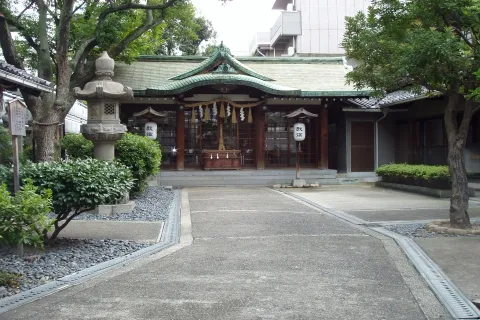
Osaka Prefecture, Nishi Ward, Osaka
Samuhara Shrine
Samuhara-jinja
- Protection from Misfortune
- Good Fortune
- Good Health