History
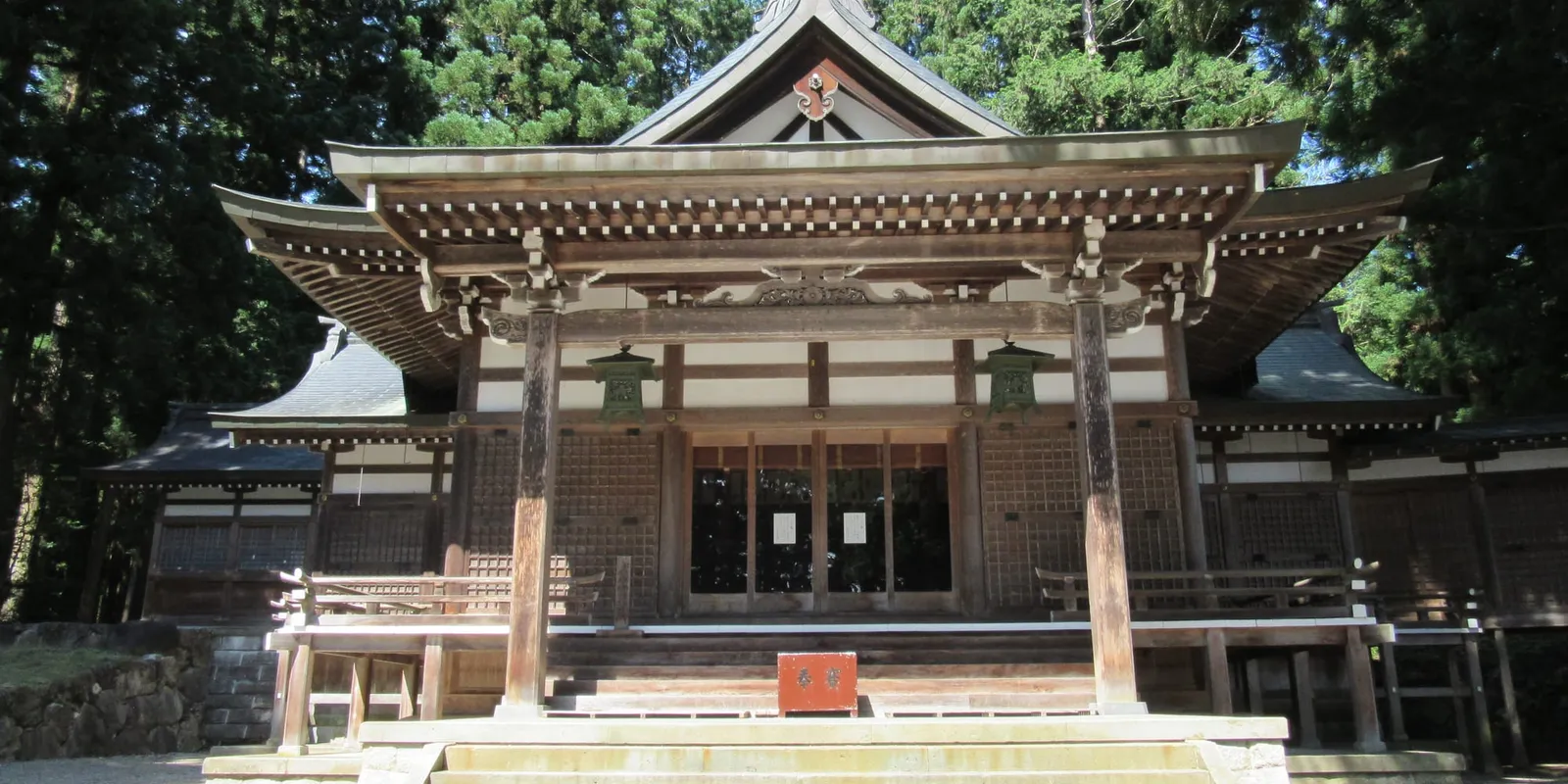
Keta Wakamiya Shrine stands on a rise in the old town of Furukawa in Hida, Gifu Prefecture, and is also affectionately called “Sugimoto-sama.” Its parishioners include the entire central area of Furukawa, and it is widely revered as a designated “Kinpei-sha” shrine of the Gifu Prefectural Association of Shinto Shrines. The principal deity is Okuninushi no Kami (Onamuchi no Mikoto), and Mii no Kami, Amaterasu Sumeomikami, Hirohata Hachiman no Okami, Kasuga no Okami, and Takada no Okami are also said to be enshrined (sources differ on which are counted as principal and which as accompanying deities).
The date of founding is unknown, but according to shrine tradition it began when Okuninushi was invited from Keta Taisha (Hakui, Ishikawa), the former chief shrine of Noto Province. (This is a different shrine from Keta Taisha in Ishikawa.) The name “Keta Wakamiya no Kami” is said to appear in the historical record “Nihon Sandai Jitsuroku” in 873, so it was already an established shrine in the Heian period, although it is not listed in the “Engishiki” register of shrines. It later prospered with the veneration of Kanamori Yoshishige, lord of Mashimajo Castle, who honored it as the protector of the castle and the town of Furukawa. It was raised to a village shrine (gosha) in 1871 and a prefectural shrine (kensha) in 1926, making it a former prefectural shrine today.
Highlights
Near the worship hall at the top of the stone steps of the approach stands a sacred great kunugi (oak) tree whose top was broken off by a lightning strike in the Meiji period. The great torii, the stone steps, and the approach leading up to the worship hall surrounded by greenery are calm and peaceful.
The Hida City Tourism Association’s official website introduces this shrine as the model for the scene in the 2016 film “Your Name.” (Kimi no Na wa.) in which the protagonist asks around for information. The film’s setting, Itomori, is a fictional town, but Hida-Furukawa’s streets and Hida-Furukawa Station are presented as places that recall scenes from the film. It is first of all a place of worship, so please visit quietly.
Visiting Tips
From JR Hida-Furukawa Station it is about a 14-minute walk. The shrine lies northeast of the station, and you climb the stone steps of the approach to reach the worship hall. If you come by car, there is a small free parking area beside the great torii at the foot of the approach. The surroundings are crowded during Furukawa Matsuri on April 19–20, so arriving on foot or by train is recommended.
Goshuin are available, and the amulet office is said to be open roughly 9:00 AM–4:00 PM (approximate). Some visitors report receiving pre-written goshuin, but the fee and procedure could not be confirmed from public information, so please ask at the shrine office when you visit.
Annual Festivals
- Furukawa Matsuri (April 19–20): The shrine’s annual grand festival, designated a national Important Intangible Folk Cultural Property as the “Okoshi Daiko and Yatai Event of Furukawa Matsuri” and part of the UNESCO-listed “Yama, Hoko, Yatai, Float Festivals in Japan.” It takes place alongside the procession of the shrine’s portable shrine between the shrine and its temporary resting place (otabisho). On the night of the 19th, men wrapped in sarashi cloth pull a platform carrying a large drum through town while young men called “tsuke-daiko” take turns challenging it in the “Okoshi Daiko.” On the 20th, floats decorated with fine carvings and embroidery parade through town in the “yatai hikizoroe,” and mechanical-puppet (karakuri) offerings and children’s kabuki are also performed. The float parade is cancelled in the rain, while the Okoshi Daiko goes ahead even in rain. Detailed schedules are announced each year by the Hida City Tourism Association and others.
Nearby Food & Sightseeing
- Setogawa Canal and the White-Walled Storehouse District: A scenic old-town area in central Hida-Furukawa where a canal runs alongside white-walled storehouses. Colorful carp can be seen swimming there from about April to November. About 5 minutes on foot from Hida-Furukawa Station.
- Hida no Takumi Cultural Hall: A facility exhibiting the traces, techniques, and tools of the master carpenters of Hida, built without a single nail. About 5 minutes on foot from Hida-Furukawa Station, with a combined admission ticket available with the Hida-Furukawa Matsuri Hall.
- Hida-Furukawa Station: A station on the JR Takayama Main Line, about 15 minutes from Takayama Station. It is introduced in the Hida City Tourism Association’s model course as a place that recalls scenes from the film “Your Name.”
Frequently Asked Questions
- Q. How is Keta Wakamiya Shrine connected to Furukawa Matsuri?
- A. Furukawa Matsuri, held every year on April 19 and 20, is the shrine's annual grand festival. The night-time "Okoshi Daiko" drum event and the festival floats (yatai) take place alongside the procession of the shrine's portable shrine through town. The "Okoshi Daiko and Yatai Event of Furukawa Matsuri" is designated a national Important Intangible Folk Cultural Property and is part of the UNESCO-listed "Yama, Hoko, Yatai, Float Festivals in Japan."
- Q. How is the shrine connected to the film "Your Name." (Kimi no Na wa.)?
- A. The Hida City Tourism Association's official website introduces Keta Wakamiya Shrine as the model for the scene in the film where the protagonist asks locals for information. The film's setting, Itomori, is a fictional town; Hida-Furukawa's streets and Hida-Furukawa Station are presented as places that recall scenes from the film.
- Q. Can I get a goshuin?
- A. Yes. The amulet office is said to be open roughly 9:00 AM–4:00 PM, but this may change by season. Visitors have reported receiving pre-written goshuin. The fee could not be confirmed from public information, so please ask at the shrine office.
- Q. Is there parking?
- A. There is a small free parking area for worshippers beside the great torii at the foot of the approach, and there is reportedly parking higher up in the grounds as well. Because the area is crowded during Furukawa Matsuri on April 19–20, walking from Hida-Furukawa Station (about 14 minutes) is recommended.
- Q. Which deities are enshrined?
- A. The principal deity is Okuninushi no Kami (Onamuchi no Mikoto), with Mii no Kami, Amaterasu Sumeomikami, Hirohata Hachiman no Okami, Kasuga no Okami, and Takada no Okami also enshrined. Shrine tradition says it began when Okuninushi was invited from Keta Taisha, the former chief shrine of Noto Province.
Plan Your Visit
Before you go, you can book a stay and get your shrine-visit items ready.
Amazon links open Amazon.co.jp (Japan) in English; whether an item ships overseas depends on the product.
※ Contains ads (PR). Links open external sites such as Amazon, Rakuten, Trip.com and Booking.com.