History
Nangu Taisha has long been revered as the ichinomiya, the highest-ranked shrine, of the former Mino Province. According to shrine tradition, during Emperor Jinmu’s eastern campaign, Kanayamahiko no Mikoto aided the golden kite (kinshi) that manifested divine power on the emperor’s behalf, and in recognition of this the deity was enshrined at the provincial capital in Fuwa district, Mino. Later, in the reign of Emperor Sujin, the shrine was relocated to its present site at the foot of Mt. Minakami, south of the provincial capital — giving rise to the name “Nangu,” meaning “southern shrine.”
The principal deity, Kanayamahiko no Mikoto, is worshipped nationwide as the head deity of metalworking, mining, and the metal industries, and is enshrined here alongside Hikohohodemi no Mikoto and Minu no Mikoto. In 1600, the shrine buildings burned down in the Battle of Sekigahara, fought right nearby, but in 1642 the third Tokugawa shogun, Iemitsu, rebuilt them at the request of Lady Kasuga. Eighteen of the surviving structures, built in the distinctive “Nangu-zukuri” style blending native and continental architectural traditions, are designated Important Cultural Properties, preserving the shrine’s Edo-period appearance to this day.
Highlights
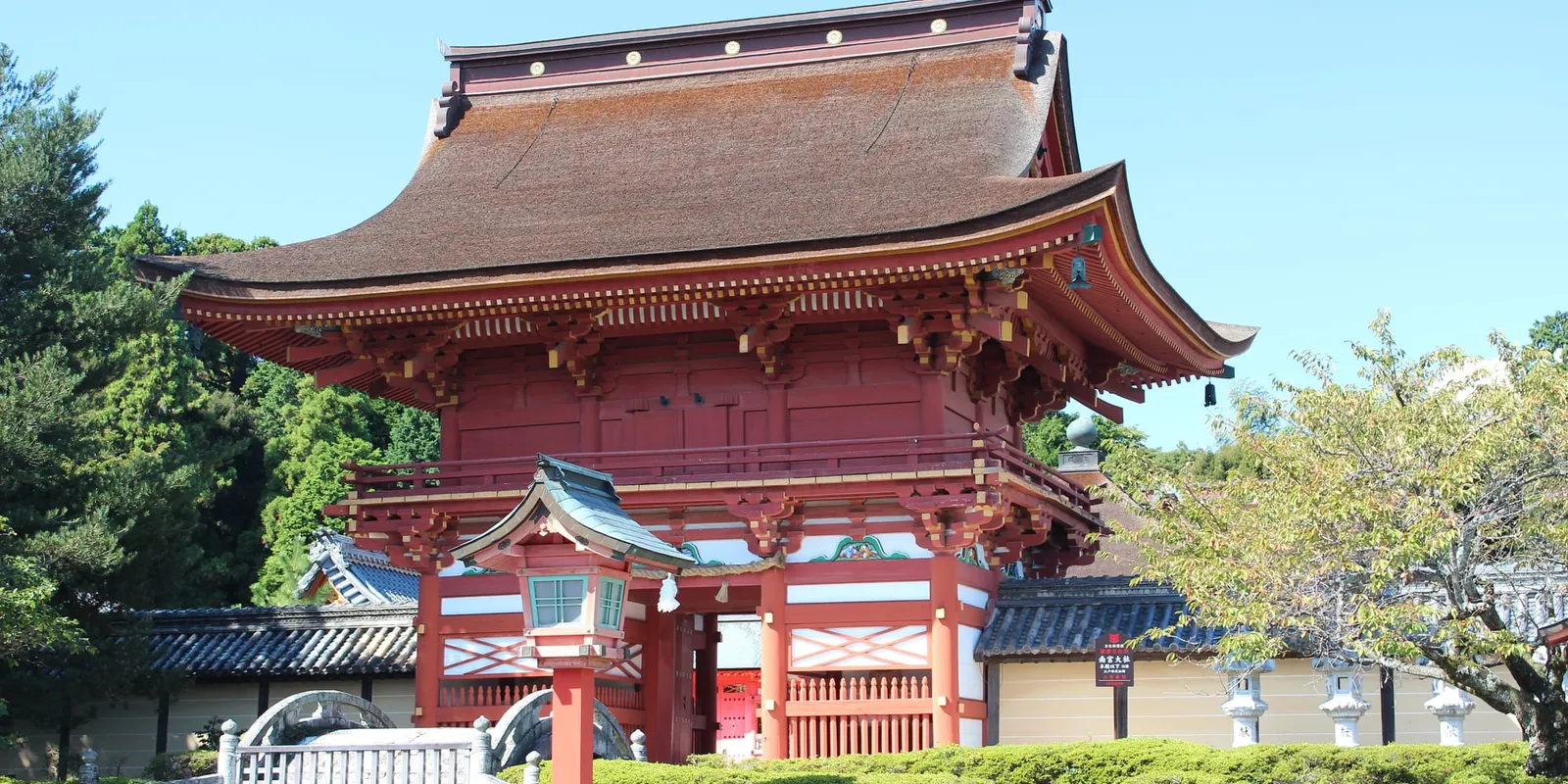
The greatest highlight of Nangu Taisha is its “Nangu-zukuri” complex of buildings, crowned by a vividly vermilion two-story romon gate. From the great torii at the entrance, through the romon, the kobuden dance hall, the haiden worship hall, and finally the honden main hall, the grounds present an imposing procession of structures well suited to a deity of metal — all made more striking by the shrine’s proximity to the Sekigahara battlefield.
The grounds also hold items donated over the centuries by swordsmiths, foundry workers, and blacksmiths from across Japan, making Nangu Taisha a place where visitors can experience Japan’s living tradition of reverence for iron and flame — one that still draws metalworkers to pray here today.
Visiting Tips
The grounds are open to visitors from 6:00 to 17:30, and goshuin can be received at the shrine office from 9:00 to 17:00 for a fee of ¥300. JR Tarui Station is about a 20-minute walk away, so visiting by car is convenient given the free parking available on the grounds. The shrine gets busy during the Reitaisai Grand Festival on May 5 and the Kinzan Matsuri (bellows festival) on November 8, so it’s worth allowing extra time if visiting then.
Annual Festivals
- Reitaisai Grand Festival and Shinkoshiki (May 5): Three mikoshi are carried in procession from Nangu Taisha to Otabi Jinja, together with the Hebiyama Shinji (“snake mountain” rite) and the Genkobu dance — collectively designated a nationally Important Intangible Folk Cultural Property as the “ritual performing arts of Nangu.” A rice-planting rite, Otaue Shinji, is held the day before on May 4.
- Kinzan Matsuri, or Fuigo Matsuri, the bellows festival (November 8): Swordsmiths, foundry workers, and blacksmiths from across the country traditionally take the day off work to visit the shrine — a fitting tradition for a shrine dedicated to the god of metal.
- New Year’s Festival and Hatsumode (January 1–3): Visitors come to the ichinomiya of Mino Province to make their first prayers of the new year.
- Monthly Festival (the 1st and 15th of every month): A regular rite of thanksgiving for the deity’s blessings.
Nearby Food & Sightseeing
- Gifu-Sekigahara Battlefield Memorial Museum: Located just a short distance from Nangu Taisha, this museum brings to life the decisive 1600 battle fought nearby. Its in-house restaurant, Ibuki-an, serves dishes inspired by the warlords of Sekigahara.
- Tarui no Izumi Spring: A celebrated spring welling up from the roots of a great prefecturally-protected keyaki tree, said to be the very source of the name “Tarui.” Celebrated in classical poetry, including a haiku by Matsuo Basho, and named one of Gifu’s fifty renowned waters.
- Midoriya: A long-established confectionery shop just in front of JR Tarui Station, offering traditional Japanese sweets and souvenirs loved by locals for generations.
Frequently Asked Questions
- Q. What are the visiting hours at Nangu Taisha?
- A. The grounds are open to visitors from 6:00 to 17:30.
- Q. When can I get a goshuin, and how much does it cost?
- A. Goshuin are available at the shrine office from 9:00 to 17:00, for ¥300 (a goshuin book costs ¥1,500).
- Q. Is there parking at Nangu Taisha?
- A. Yes, free parking is available on the grounds.
- Q. What is the Kinzan Matsuri (bellows festival) at Nangu Taisha?
- A. Held every November 8, it's a tradition in which swordsmiths, blacksmiths, and foundry workers from across Japan take the day off work to visit the shrine — a fitting rite for a shrine dedicated to the god of mining and metal.
- Q. How do I get to Nangu Taisha?
- A. About a 20-minute walk from JR Tarui Station on the Tokaido Main Line; about 15 minutes by car from the Sekigahara IC on the Meishin Expressway, or via the Yoro SA smart IC.
Related Shrines
Niigata Prefecture, Yahiko, Nishikanbara District
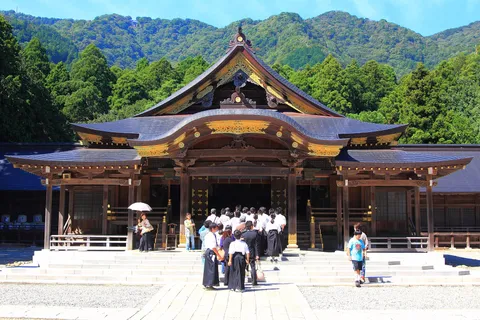
Yahiko Jinja
Yahiko-jinja
- Good Fortune
- Industrial Prosperity
- Protection from Misfortune
Shizuoka, Mishima
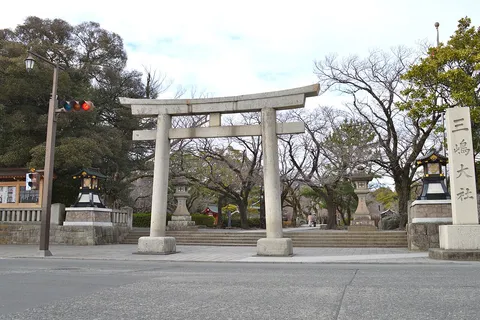
Mishima Taisha
Mishima Taisha
- Business Prosperity
- Good Fortune
- Victory in Competition
Tokyo, Chiyoda
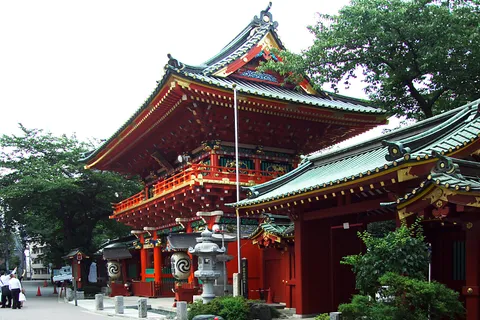
Kanda Myojin (Kanda Jinja)
Kanda-jinja
- Good Relationships
- Business Prosperity
- Good Fortune