History
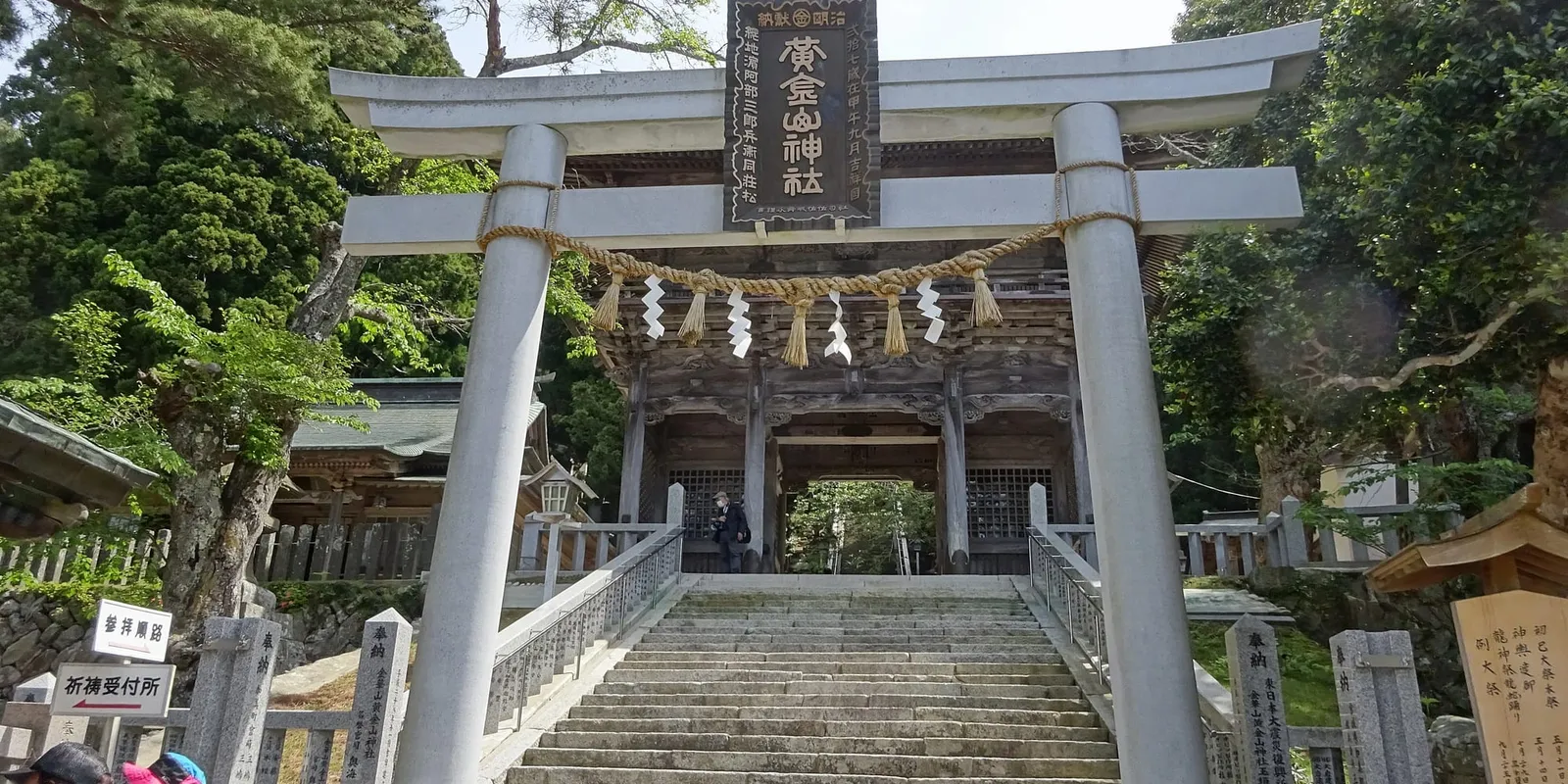
Kinkasan Koganeyama Shrine stands on Kinkasan, an island off the Oshika Peninsula in Ishinomaki, Miyagi. The official site gives no reading for the name. The reading used here, “Kinkasan Koganeyama-jinja,” follows the Japanese Wikipedia, which gives “Koganeyama-jinja” for Koganeyama Shrine and “Kinkasan-jinja” as its common name. The official site names Kanayamahiko-no-kami and Kanayamahime-no-kami as the enshrined deities, described as gods of metal and gold.
According to the official history, about 1,270 years ago, in 749 (Tenpyo 21) under Emperor Shomu, Kudara no Konikishi Kyofuku, governor of Mutsu Province, presented gold to the court. The emperor, who needed gold for building the Great Buddha, was delighted and is said to have changed the era name to Tenpyo-shoho. This is known as Japan’s first gold production, and to celebrate it, in “the second year” Ojika no Muraji Miyamaro and others petitioned the governor and enshrined the two deities on Kinkasan, which became this shrine (the Japanese Wikipedia gives “traditionally Tenpyo-shoho 2 (750)”).
In the era of Shinto-Buddhist syncretism, the island worshipped Benzaiten as its guardian deity, the temple Kinkasan Daikinji served as its administrator, and women were barred. The official site says it prospered with donations from figures such as Fujiwara no Hidehira of Hiraizumi and Kasai Kiyoshige, lord of Ishinomaki Castle, and was counted among the “three great sacred places of the far northeast” with Dewa Sanzan and Osorezan, as well as one of Japan’s five great Benzaiten sites with Enoshima, Itsukushima, Chikubushima and Tenkawa. It later enjoyed the devotion of the Date family, beginning with Date Masamune. With the 1869 (Meiji 2) order separating Shinto and Buddhism it returned to being the Shinto shrine Koganeyama Shrine, and the ban on women was lifted. At the mountaintop inner shrine, Owadatsumi Shrine, Owadatsumi-no-kami and Ichikishimahime-no-kami (the Buddhist name being Benzaiten), among others, are enshrined.
The shrine was also introduced as the goal destination of a TV Tokyo travel program broadcast on June 29, 2024 (per the program’s official page).
Highlights
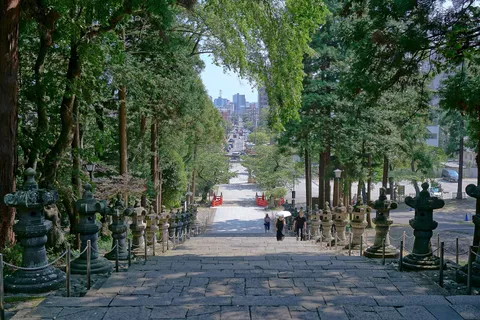
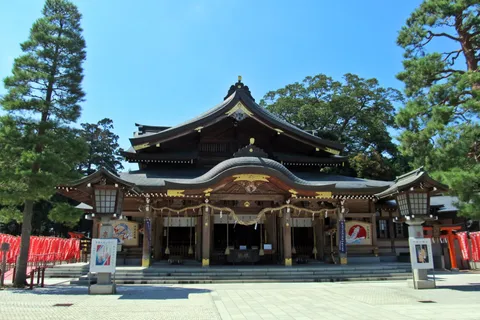
According to the official site, Kinkasan is an island with a circumference of 26 km and an elevation of 445 m, and the shrine is the only thing on it. The official Q&A explains that the shrine buildings, including the main hall and worship hall, date from the Meiji era and were not damaged at all by the Great East Japan Earthquake. The precinct map lists the Zuijinmon gate, the stone torii, the Ohiroma hall, statues of Ebisu and Daikoku, Isuzu Shrine (a branch of Ise Jingu, according to the official site), Kanagui Shrine, Hama Shrine, a monument to the Eight Dragon Kings, and a bell tower. There is also Kinkasan Zeniarai Benzaiten, where washing coins in the spring water is said to increase your money.
The official site says the great goma fire prayer goes back to ascetics’ practice in the early Heian period, and that, after the Shinto-Buddhist separation, its sacred fire has been kept burning for about a thousand years (the shrine’s own account). It also records that when the Black Ships arrived in 1853, the abbot of Daikinji at the time, on the order of the Sendai domain lord, performed a goma prayer for the departure of Perry’s ships.
According to the official Q&A, the island has about 450 deer (from 300 to 700 depending on the year) and about 250 monkeys, and the deer are called “shinroku” as messengers of the gods. The Sanshuden (Horyuden) lodging hall accepts overnight guests, and the official site says you can see the Oshika Peninsula and the strait from its baths.
Visiting Tips
You reach Kinkasan by boat. According to the official “Access Information” page (undated), a medium boat runs from Ayukawa Port on Sundays at ¥3,000 round trip (about 20 minutes), and from Onagawa Port on Sundays and holidays at ¥5,000 round trip, with motorboats available by reservation. Sailings can change, so check in advance with the Kinkasan Transportation Cooperative (0225-44-1850) or the boat operators. From Ishinomaki Station, a Miyako Kotsu bus takes about 1 hr 30 min to Ayukawa Port (¥1,440 one way for adults). For the Onagawa boat, the Japanese page gives the travel time as 45 minutes and the English version of the same page gives 35, so the official site is inconsistent.
An official notice dated July 9, 2026 says the shuttle from the pier to the shrine was suspended because of a breakdown and there is no prospect of a restart. Plan to walk from the port to the grounds, in comfortable shoes. The official Q&A still mentions the shuttle, so check the latest with the shrine.
Hours for free worship are not stated on the official site. The great goma fire prayer is held hourly from 9:30 AM (notice of Nov 12, 2025), with offerings from ¥5,000 for individuals. Goshuin are, per that notice, pre-written sheets only for now, and the July 9, 2026 notice lists a summer-only kiriko-design goshuin at ¥1,500, limited in number and not mailed. Check with the shrine about the current situation in November. Among the amulets are many for financial luck and good fortune, and there is a three-year consecutive goshuin book (¥2,500, goshuin fee of ¥500 extra, available only to those who came to the island and had a prayer performed) based on the saying “visit three years in a row and you will never be short of money.”
Annual Festivals
The following is from the official 2026 (Reiwa 8) festival schedule. The 2027 schedule has not been confirmed, so check the official site for the latest.
- Saitan-sai (January 1): A ceremony at midnight to welcome the new year.
- Hatsumi Grand Festival (May): In 2026, the eve festival is on May 6, the main festival on May 7, and the portable-shrine procession on May 10. The official site calls it the shrine’s most important rite, held on the first day of the Snake in May each year because Benzaiten’s messenger is the snake.
- Ryujin Festival (July 26): A dragon (snake) dance is offered.
- Annual grand festival (September 25): A festival marking the enshrinement of Kanayamahiko-no-kami and Kanayamahime-no-kami.
- Sacred deer antler-cutting event (October 4): An event in which the antlers of about 10 stags are cut (finished for 2026).
- Ebisu Festival (October 12): A ceremony held in front of the statue of Ebisu (finished for 2026).
- Niiname-sai (November 23): In 2026, on the holiday of November 23, from noon.
- Great purification and New Year’s Eve ceremony (December 31): From 5:00 PM. Those staying overnight can also attend the New Year’s Day Saitan-sai and the first great goma prayer of the year, according to the official site.
Nearby Food & Sightseeing
- Ayukawa Port: One of the ports where boats to Kinkasan depart. According to the official site, it is the last stop of the Miyako Kotsu bus from Ishinomaki Station, and the boat takes about 20 minutes.
- Onagawa Port: The other boarding port. According to the official site, it is about a 10-minute walk from JR Onagawa Station, and visitors are asked to take care when passing the construction sites.
- JR Ishinomaki Station: The terminus of the Senseki Line from Sendai Station, and the transfer point for the bus to Ayukawa and the JR Ishinomaki Line to Onagawa (per the official access guide).
Frequently Asked Questions
- Q. What are the visiting hours and prayer times?
- A. The official site does not state hours for free worship at the worship hall. It says the great goma fire prayer is held every day from 9:30 AM, hourly. In the official notice dated Nov 12, 2025, the 7:30 AM first prayer is only for those who stayed overnight the day before, and times may change or some sessions may not be held because of ceremonies. Prayer offerings start at ¥5,000 for individuals (official site).
- Q. Can I get a goshuin at Kinkasan Koganeyama Shrine?
- A. Yes. The official site gives no goshuin hours and no separate fee for the regular goshuin that I could confirm (the entry for the three-year consecutive goshuin book lists a goshuin fee of ¥500 extra). An official notice dated Nov 12, 2025 says goshuin are, for now, pre-written sheets only. A notice dated July 9, 2026 says seasonal goshuin began this spring, and from July a summer-only one (kiriko design) is handed out at ¥1,500, limited in number, and not mailed. Please check with the shrine before you go, since the current availability as of November is not stated.
- Q. How do I get to Kinkasan?
- A. It is an island, so you go by boat. According to the "Access Information" page of the official site, a medium boat (70 seats) runs from Ayukawa Port every Sunday, ¥3,000 round trip, about 20 minutes. From Onagawa Port, a medium boat (62 seats) runs on Sundays and holidays, leaving Onagawa at 11:00 AM and Kinkasan at 1:30 PM, ¥5,000 round trip. On other days there are motorboats by reservation. The page is undated and sailings can change, so check in advance with the Kinkasan Transportation Cooperative (0225-44-1850) or the boat operators.
- Q. Is there parking, and how do I get from the port to the shrine?
- A. Parking on the island is not stated on the official site, which says bringing a private car to Kinkasan is difficult. The official English guide says parking is available near the piers at Ayukawa and Onagawa ports. The shrine's shuttle from the pier to the shrine was suspended because of a vehicle breakdown, according to an official notice dated July 9, 2026, with no restart date, so visitors walk from the port to the shrine.
- Q. When is the deer antler-cutting event?
- A. In the official 2026 (Reiwa 8) festival schedule, the sacred deer antler-cutting event (Shinroku Tsunokiri Gyoji-sai) is Sunday, October 4, from 11:00 AM to 2:30 PM. About 10 stags living around the grounds have their antlers cut, and the official site calls it a rare event held in Japan only on Kinkasan and in Nara. The 2026 event has already taken place. Check the festival schedule on the official site for 2027 and later dates.
Plan Your Visit
Before you go, you can book a stay and get your shrine-visit items ready.
Amazon links open Amazon.co.jp (Japan) in English; whether an item ships overseas depends on the product.
※ Contains ads (PR). Links open external sites such as Amazon, Rakuten, Trip.com and Booking.com.