History
Kirishima Jingu enshrines Ninigi no Mikoto, the central figure of the “Tenson Korin” (descent of the heavenly grandson) myth in Japanese mythology. Said to have descended from Takamagahara to the peak of Takachiho on the orders of Amaterasu Omikami, Ninigi no Mikoto is also venerated as the god of new beginnings. The shrine’s founding is traditionally dated to around the 6th century; after being destroyed and rebuilt repeatedly by eruptions of Mount Kirishima, the present shrine buildings were erected in 1715 through a donation from the Satsuma domain lord, Shimazu Yoshitaka. In 2022, the Honden, Heiden, and Haiden were designated National Treasures.
The shrine is said to have originally stood at Setoo, between the peaks of Takachiho-no-mine and Karakuni-dake (O-hachi), but after being repeatedly destroyed by eruptions, it was rebuilt near its present location in the 10th century by the priest Shokū. During the Edo period, successive lords of the Satsuma domain held the shrine in deep reverence, repeatedly funding construction and renovation, which is why the shrine’s ornate Momoyama-style buildings survive to this day.
Highlights
The vermilion-lacquered shrine buildings are said to be among the most beautiful in southern Kyushu, adorned with elaborate Momoyama-style carvings and decoration. Surrounded by the grand natural scenery of Mount Takachiho, the mythical setting of the shrine’s founding story, the location itself is part of Kirishima Jingu’s unique appeal.
Visiting Tips
The grounds sit partway up the Kirishima mountain range, offering worship amid crisp, refreshing air. The shrine is also known for its blessing of good relationships, and prayers inspired by the love story of Ninigi no Mikoto and Konohanasakuya-hime are popular with visitors.
Annual Festivals
- Otaue Festival: Held on the 4th day of the second lunar month, this spring rite features a sacred ox plowing a field and a dance called “Ta-no-Kanmai,” offered as a prayer for a bountiful harvest (designated an Intangible Folk Cultural Property of Kagoshima Prefecture).
- Saiden Otaue Festival: A rice-planting rite held every June 10 in the sacred paddy used to grow rice for offerings to the gods.
- Tenson Korin Kinen Goshinka-sai: A fire festival held every November 10, in which the year’s prayer tablets are ceremonially burned.
Nearby Food & Sightseeing
The surrounding Kirishima hot spring area draws visitors who combine their shrine visit with hot springs and hiking.
- Kirishima Mingei-mura: A teahouse and souvenir shop along the approach offering light meals such as soba and zenzai.
- Satsuma Jokiya: A popular confectionery shop in front of the approach bus stop, known for its karukan manju.
- Kirihana: A takeout shop along the approach popular for its sweets and sandwiches.
Frequently Asked Questions
- Q. What are the visiting hours?
- A. The grounds are open all day, but the amulet office is open 8:00–17:00.
- Q. When is the goshuin office open?
- A. 8:00–17:00, for ¥500.
- Q. Is there parking?
- A. Yes, free parking is available.
- Q. Why is it associated with new beginnings?
- A. The enshrined deity Ninigi no Mikoto is said to have descended to a new land in the myth of the heavenly grandson's descent, so the shrine is venerated for blessing new ventures.
- Q. How do I get there?
- A. About a 10-minute bus ride from JR Kirishima-jingu Station.
Related Shrines
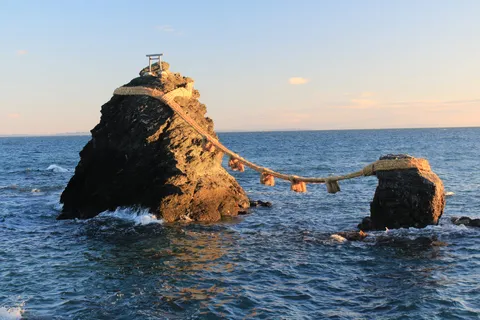
Mie Prefecture, Futami-cho, Ise
Futami Okitama Jinja
Futami Okitama Jinja
- Marital Harmony
- Good Relationships
- Good Fortune
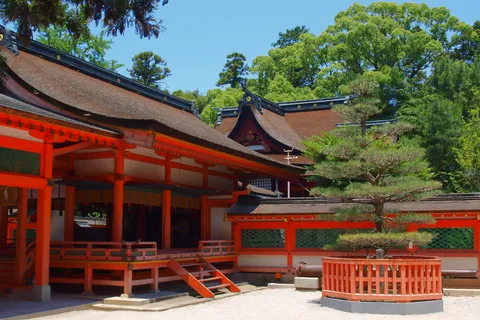
Fukuoka, Higashi Ward, Fukuoka
Kashii-gu
Kashii-gū
- Marital Harmony
- Good Relationships
- Safe Childbirth
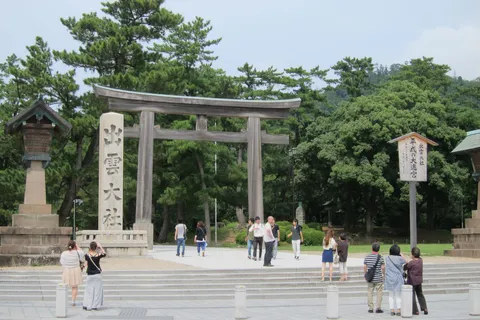
Shimane Prefecture, Izumo
Izumo Taisha
Izumo Ōyashiro
- Good Relationships
- Marital Harmony
- Business Prosperity