History
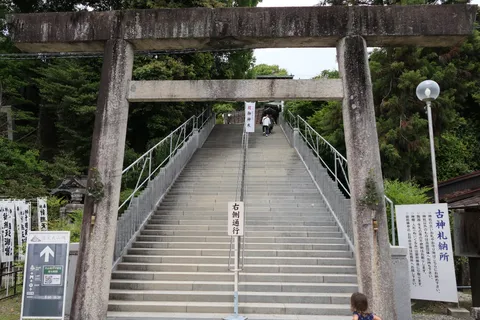
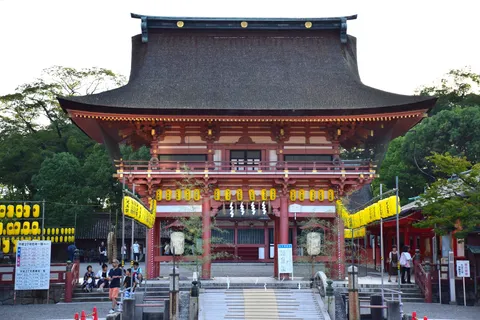
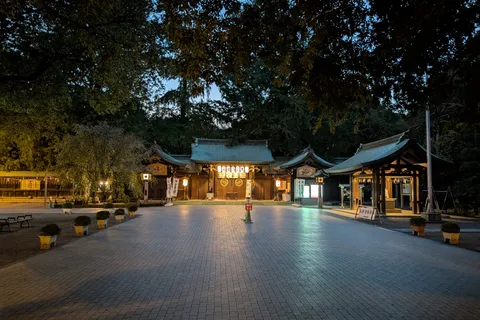
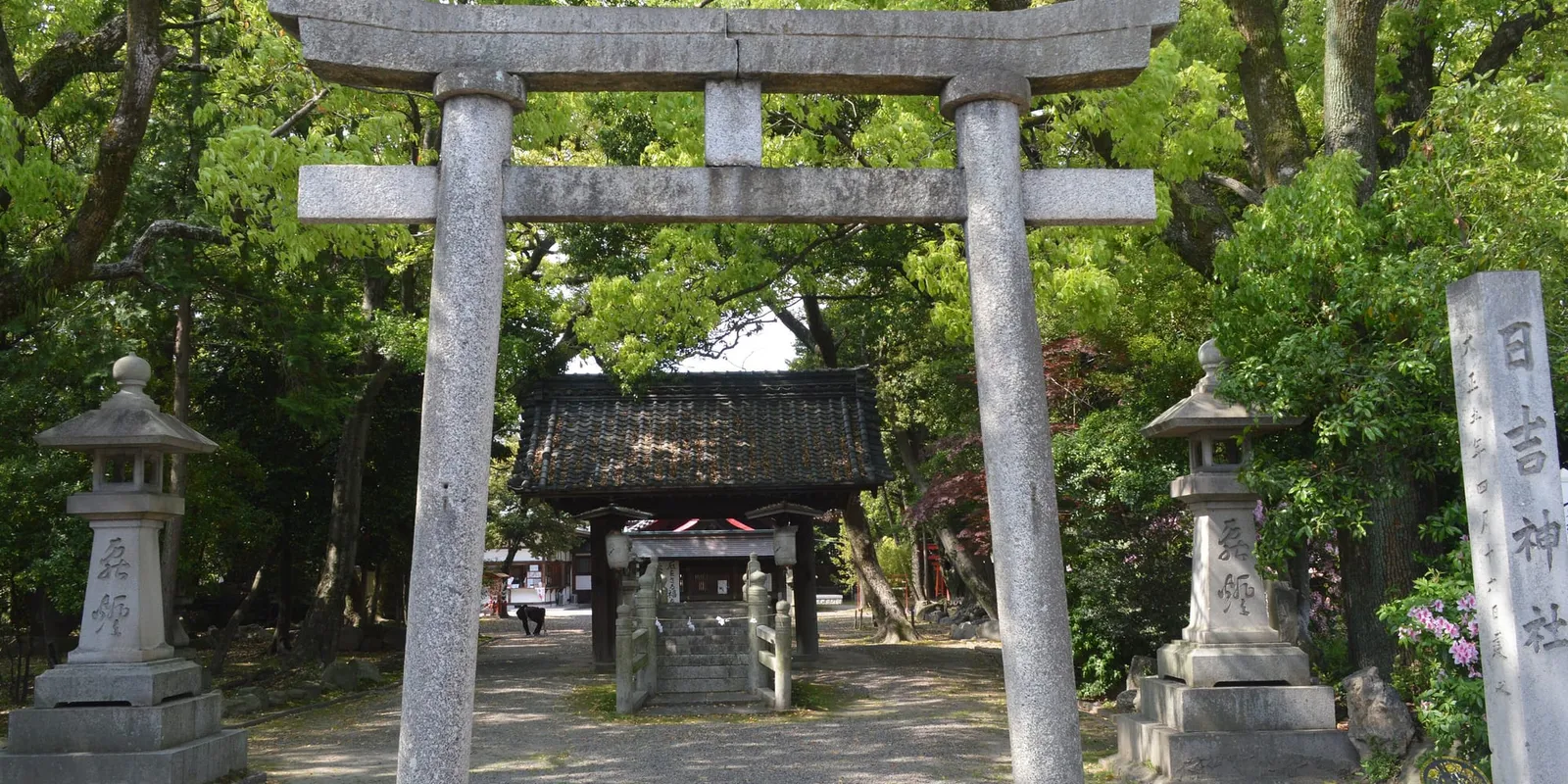
Kiyosu Sannogu Hiyoshi Shrine stands in Kiyosu, Aichi Prefecture, and is known as the chief guardian shrine of the old castle town of Kiyosu. According to the shrine’s tradition, in 771 (Hoki 2) an epidemic spread through Owari, and people enshrined Susanoo no Mikoto and Onamuchi no Mikoto to pray for relief. It is also said that in 807 the courtier Tachibana no Hayanari built the shrine’s buildings, and that as Shinto-Buddhist syncretism spread it came to be called “Sannogu.” In 1580 (Tensho 8), Oda Nobuharu, the deputy castellan of Kiyosu Castle at the time, invited Oyamakui no Kami and 21 subsidiary shrines from Hiyoshi Taisha in Omi Province, which gave the shrine its present form. After the Meiji era the name changed from “Sannogu” to “Hiyoshi Shrine,” and under the former shrine ranking system it was a prefectural shrine (kensha).
Because it stands in the Kiyosu of the Sengoku period, the shrine says it has ties with the “three heroes” Oda Nobunaga, Toyotomi Hideyoshi and Tokugawa Ieyasu. According to the history on its official site, Nobunaga witnessed a trial by fire (hi-kishō) in the precincts, then called Sanno-sha; Hideyoshi’s mother prayed at the shrine and conceived him; and during the Komaki-Nagakute campaign, when Ieyasu was camped at Kiyosu with Oda Nobukatsu, soldiers set fire to the shrine, after which the head priest appealed and both commanders ordered a ban on looting. None of these accounts is given with a date, and they are shrine traditions for which we could not confirm historical evidence.
The shrine’s head priest also notes on its official blog that the name “Hiyoshimaru” is often assumed to come from the shrine’s name, but that in Hideyoshi’s time the shrine was called “Sanno-sha,” and that it was renamed Hiyoshi Shrine only in the Meiji era, so this explanation is mistaken. He also cautions that stories about Hideyoshi’s childhood name and birthplace rest on later secondary sources and are uncertain. Hideyoshi’s connection to the shrine is therefore presented here as part of the history the shrine itself passes down.
Highlights
Koumi-ishi (childbirth stone): A stone said to bring children to those who touch it, and traditionally said to be the one Hideyoshi’s mother prayed at. People come to pray for conception, safe childbirth and marital harmony, and some return to give thanks. The Kiyosu City Tourism Association also introduces it along with the tradition that Hideyoshi’s mother prayed here.
The “Golden Legend”: In 1726 (Kyoho 11), the story goes, the head priest sold the roots of a dead camellia tree to a farmer, and about 60 gold pieces from the Keicho era were found when the roots were dug up. Two were kept and the rest were handed to the domain office, and the proceeds are said to have paid for rebuilding all the shrine’s buildings. Some visitors still ask whether more gold remains buried.
The monkey statues: The monkey is the shrine’s messenger, and there are about 24 monkey statues in the grounds. The bronze statues in front of the shrine buildings date from 1921, and you can also see a large monkey votive painting made in 2004 and restored in 2016.
The Intertwined Camellia, kagura hall and more: The “Renri no Tsubaki,” a camellia whose branches have grown together, is believed to bring good relationships. The grounds also hold a kagura hall and a bronze sacred-horse statue, which was surrendered during the war and rebuilt by parishioners in 1966.
Love fortunes and flower water basins: The love omikuji (¥300) designed by the contemporary artist Hiroko Ichihara are described as a rarity that few shrines in Japan offer, and the Kiyosu City Tourism Association calls them an original that is “reputed to look great on social media.” The flower water basins (hana-chozu) began around 2023 and are set up irregularly rather than permanently.
Visiting Tips
The shrine office is open 9:00 AM–4:00 PM, and goshuin are available until 3:30 PM. Amulets and love fortunes are available until 4:00 PM, so allow plenty of time if you arrive late in the day. The official site does not state visiting hours for the grounds themselves. Monthly and other seasonal goshuin are offered, but the fee could not be confirmed on the official site. Mail orders are accepted, but handwritten and pre-written goshuin are handled differently, so please check beforehand via the official Instagram or by phone (052-400-2402).
According to the official site, the shrine is about an 8-minute walk from Shin-Kiyosu Station on the Meitetsu Nagoya Main Line. By car it is about 8 minutes from the Kiyosu-Higashi IC exit (or the Kiyosu-Nishi / Jinmokuji exits), and there is parking for about 30 cars, though it may be restricted during festivals and ceremonies. Visitors may bring pets to pray, and pet amulets are available.
Annual Festivals
- Main festival (October 10): The shrine’s grand annual festival (reisai).
- Wakuguri Shinji / summer festival (August 1, evening): An ancient rite for removing calamity, with night stalls and kagura dance offerings, described as the shrine’s liveliest festival.
- Hakidashi Festival (second Sunday of November): Features an offering of the Kugutsu Kamimai dance and a plate-breaking rite to dispel grudges and suffering. Hakidashi plates (¥300) are available year-round.
- Doll Memorial Service (second Sunday of May): A service in which dolls are burned in offering; doll drop-off is accepted throughout the year.
- Other ceremonies: The official site also lists the New Year ceremony (January 1), Setsubun (February 3), the prayer-for-harvest festival (April 10), Shichi-Go-San (November 1 to the end of the month) and the harvest thanksgiving festival (December 10).
Nearby Food & Sightseeing
- Kiyosu Castle: According to the city, Oda Nobunaga entered the castle in 1555, and his victory at the Battle of Okehazama in 1560 is described as the first step toward national unification. After the Honnoji Incident, a conference at Kiyosu decided Nobunaga’s successor. The present keep is a 1989 reconstruction, listed as about a 15-minute walk from Shin-Kiyosu Station.
- Kiyosu Old Castle Site Park: Per the Kiyosu City Tourism Association, a park on the site of the former castle’s main enclosure, with two late-Edo stone monuments and a small shrine to Nobunaga.
- Kiyosu Furusato no Yakata: A souvenir shop and free rest area introduced by the Kiyosu City Tourism Association (9:00 AM–5:00 PM, closed Mondays).
Frequently Asked Questions
- Q. Can I get a goshuin here?
- A. Yes. The shrine office is open 9:00 AM–4:00 PM, and goshuin are available until 3:30 PM. Monthly and other seasonal goshuin are offered, and mail orders are accepted, but handwritten and pre-written goshuin are handled differently, so the shrine asks you to check beforehand via its official Instagram or by phone (052-400-2402). The fee could not be confirmed on the official site, so please check at the shrine.
- Q. How do I get there, and is there parking?
- A. The official site gives about an 8-minute walk from Shin-Kiyosu Station on the Meitetsu Nagoya Main Line. By car it is about 8 minutes from the Kiyosu-Higashi IC exit, and there is parking for about 30 cars (no fee information is given, and parking may be restricted during festivals and ceremonies).
- Q. What is the Koumi-ishi (childbirth stone)?
- A. It is a stone in the grounds that is said to help those who touch it conceive. According to the shrine's tradition, Toyotomi Hideyoshi's mother prayed at this stone before conceiving him; today people pray there for conception, safe childbirth and marital harmony, and some return to give thanks. The Kiyosu City Tourism Association also introduces this tradition.
- Q. Is Hideyoshi's childhood name Hiyoshimaru taken from this shrine?
- A. The shrine's tradition says Hideyoshi was born after his mother prayed here and was named Hiyoshimaru because he resembled the shrine's messenger, the monkey. However, in a post on the shrine's official blog the head priest cautions that in Hideyoshi's day the shrine was called Sanno-sha, that it only became Hiyoshi Shrine in the Meiji era, and that linking the name Hiyoshimaru to the shrine's name is a mistake. He adds that the childhood name itself comes from later secondary sources.
- Q. When are the main festival and the liveliest event?
- A. The main festival (reisai) is held on October 10. The Wakuguri Shinji summer festival on the evening of August 1, with night stalls and kagura dance offerings, is described as the shrine's liveliest event. On the second Sunday of November there is also the Hakidashi Festival, where plates are broken to dispel grudges and suffering.
Plan Your Visit
Before you go, you can book a stay and get your shrine-visit items ready.
Amazon links open Amazon.co.jp (Japan) in English; whether an item ships overseas depends on the product.
※ Contains ads (PR). Links open external sites such as Amazon, Rakuten, Trip.com and Booking.com.