History
Tsushima Jinja, in Tsushima City, Aichi Prefecture, is the head shrine of the roughly 3,000 Tsushima and Tenno shrines found across Japan. Affectionately known as “Tsushima no Tenno-sama,” it enshrines Takehayasusanoo no Mikoto (Susanoo) as its main deity, with Onamuji no Mikoto (Okuninushi no Mikoto) enshrined alongside. Tradition dates its founding to 540, the first year of Emperor Kinmei’s reign, and until the separation of Shinto and Buddhism in the Meiji era it was also called “Tsushima Gozu Tenno-sha.” A saying passed down in the region, “If you visit Ise, visit Tsushima too; visiting only Ise is a half pilgrimage,” reflects how widely it was revered.
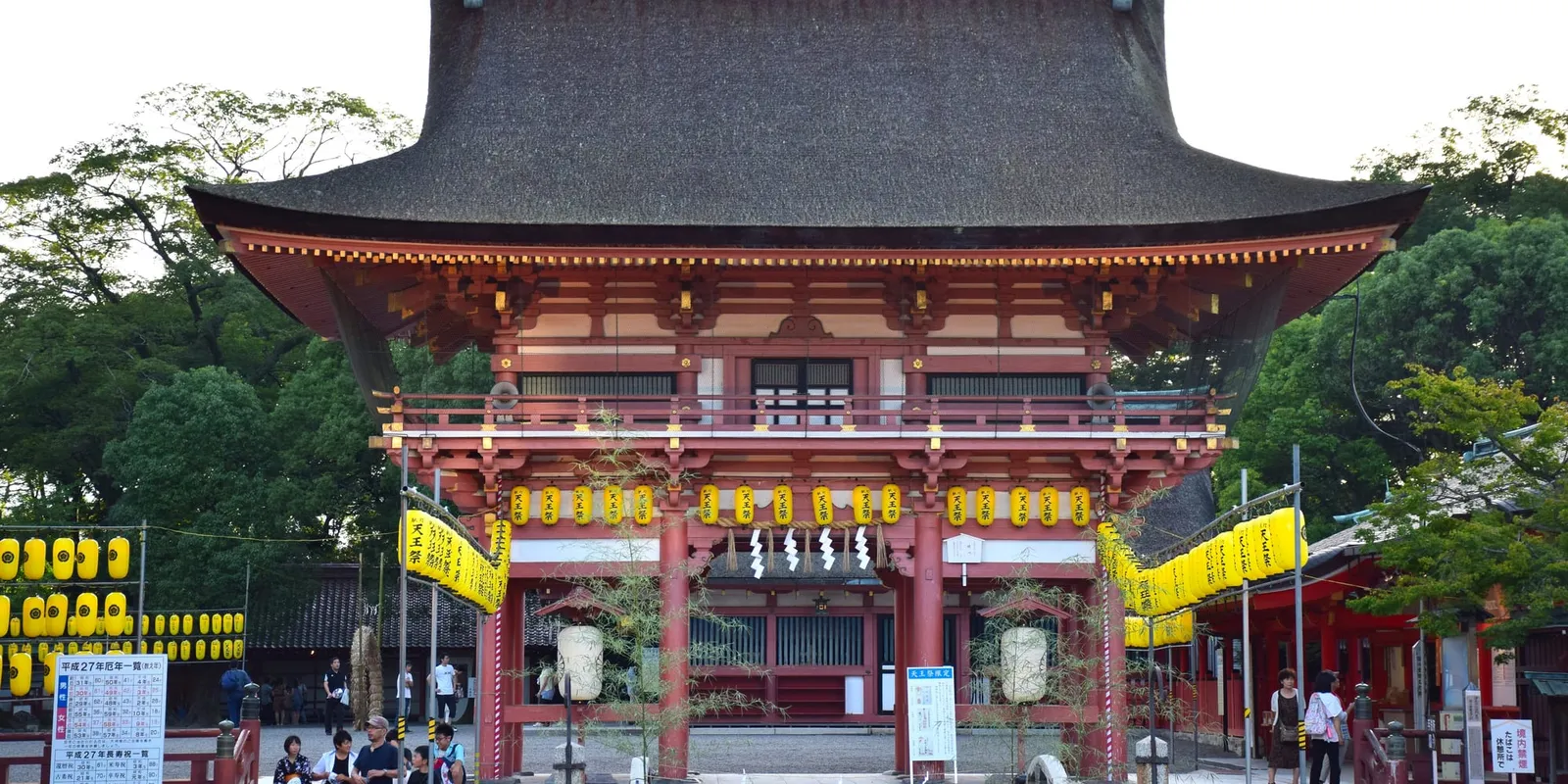
From the medieval period into the early modern era, the shrine was protected by warlords including the Oda and Toyotomi clans and Tokugawa Ieyasu. The Romon gate, a nationally designated Important Cultural Property, was donated by Toyotomi Hideyoshi in 1591, and the main hall (also an Important Cultural Property) was donated in 1605 by Masako, wife of Matsudaira Tadayoshi. The Minami-mon (south gate), designated an Aichi Prefecture cultural property, is said to have been donated in 1598 by Toyotomi Hideyori in prayer for his father Hideyoshi’s recovery from illness. In 1647, the shrine received a shuinjo (vermilion-seal charter) from Tokugawa Yoshinao, lord of the Owari domain. Its prewar rank was Kokuhei Shosha (a minor national shrine), and today it is a Beppyo Shrine of the Association of Shinto Shrines.
Highlights
The grounds are lined with the Important Cultural Property Romon gate donated by Hideyoshi, the Important Cultural Property main hall, and Aichi Prefecture–designated buildings such as the Minami-mon, the worship hall, and the cloisters. Two ginkgo trees on the grounds are designated Aichi Prefecture Natural Monuments.
Right beside the shrine lies Tennogawa Park. The oval Marune Pond at its center is a remnant of the Tenno River, which once flowed between the shrine and its monzen-machi (gate town), and it serves as the stage of the Owari Tsushima Tenno Festival.
Visiting Tips
Tsushima Jinja holds more than 100 rituals and festivals a year. At the amulet office on the grounds you can receive goshuin, amulets, and ofuda (9:00–16:30). Prayer requests are accepted there as well, on weekdays 9:00–12:00 and 13:00–16:00 (until 15:30 from July to September) and on weekends and holidays 9:00–16:00.
Around New Year and the Tenno Festival the area around the grounds becomes extremely crowded and temporary parking lots are set up, so public transportation is recommended.
Annual Festivals
- Nanakusa-sai (seven days of the old New Year): A ritual held over seven days at the old New Year.
- Kinen-sai (March 17): A spring festival praying for a bountiful harvest.
- Reisai (June 17): The shrine’s annual grand festival.
- Owari Tsushima Tenno Festival (fourth Saturday and Sunday of July): Designated a nationally Important Intangible Folk Cultural Property as the “Danjiri-bune Gyoji of the Owari Tsushima Tenno Festival,” and inscribed on UNESCO’s Intangible Cultural Heritage list in 2016 as part of the Yama, Hoko, Yatai float festivals. On Saturday’s Yoi-matsuri (evening festival), makiwara boats decorated with 365 lanterns glide across Marune Pond in Tennogawa Park; on Sunday’s Asa-matsuri (morning festival), the decorated danjiri boats appear. It is also counted among Japan’s “three great river festivals,” alongside Osaka’s Tenjin Festival and the Kangen-sai at Itsukushima Shrine.
- Niiname-sai (November 23): A harvest thanksgiving festival offering gratitude for the year’s crops.
Nearby Food & Sightseeing
- Tennogawa Park: A park right beside the shrine, with Marune Pond (a remnant of the Tenno River) and a 275-meter wisteria trellis. The Owari Tsushima Fuji Matsuri (Wisteria Festival) is usually held from mid-April to early May to coincide with the blooms.
- Sohonke Kadomasa: A long-established confectionery shop in front of the shrine, said to date from 1781 and known for the local Tsushima specialty sweets “akada” and “kutsuwa.”
Frequently Asked Questions
- Q. How much is the goshuin at Tsushima Jinja, and when is it available?
- A. A regular goshuin costs ¥300 and is available at the amulet office around 9:00–16:30. Limited-edition goshuin vary in price by design.
- Q. Does Tsushima Jinja have parking?
- A. Yes, there is free parking, with about 60 spaces to the south and about 40 to the east. Around New Year and the Tenno Festival the area is very crowded and temporary lots are set up (the New Year temporary lots are paid).
- Q. How do I get to Tsushima Jinja?
- A. It is about a 15-minute walk from Tsushima Station on the Meitetsu Tsushima and Bisai Lines. By car, it is about 15 minutes from Yatomi IC on the Higashi-Meihan Expressway via Route 155.
- Q. When is the Owari Tsushima Tenno Festival held?
- A. It is held every year on the fourth Saturday and Sunday of July. On Saturday evening, the Yoi-matsuri sees makiwara boats hung with lanterns glide across Marune Pond in Tennogawa Park; on Sunday morning, the Asa-matsuri features the festival's decorated danjiri boats. It was inscribed on UNESCO's Intangible Cultural Heritage list in 2016 as one of the Yama, Hoko, Yatai float festivals.
- Q. Who is enshrined at Tsushima Jinja, and what is it known for?
- A. The main deity is Takehayasusanoo no Mikoto (Susanoo), with Onamuji no Mikoto (Okuninushi) enshrined alongside. Revered as a deity who wards off epidemics and misfortune, it is the head shrine of the roughly 3,000 Tsushima and Tenno shrines across Japan.
Related Shrines
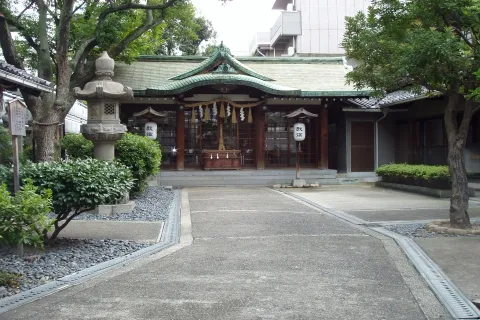
Osaka Prefecture, Nishi Ward, Osaka
Samuhara Shrine
Samuhara-jinja
- Protection from Misfortune
- Good Fortune
- Good Health
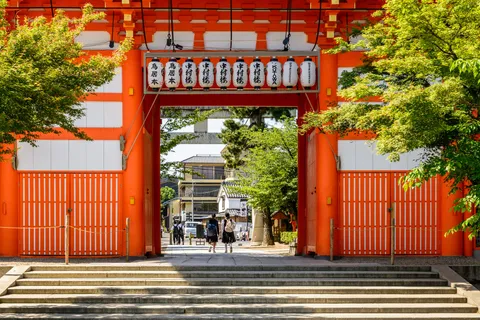
Kyoto Prefecture, Higashiyama Ward, Kyoto
Yasaka Jinja
Yasaka-jinja
- Protection from Epidemics
- Protection from Misfortune
- Business Prosperity
Kochi, Otoyo
Yasaka Jinja (Otoyo)
Yasaka-jinja
- Success in the Arts
- Protection from Epidemics
- Good Health