History
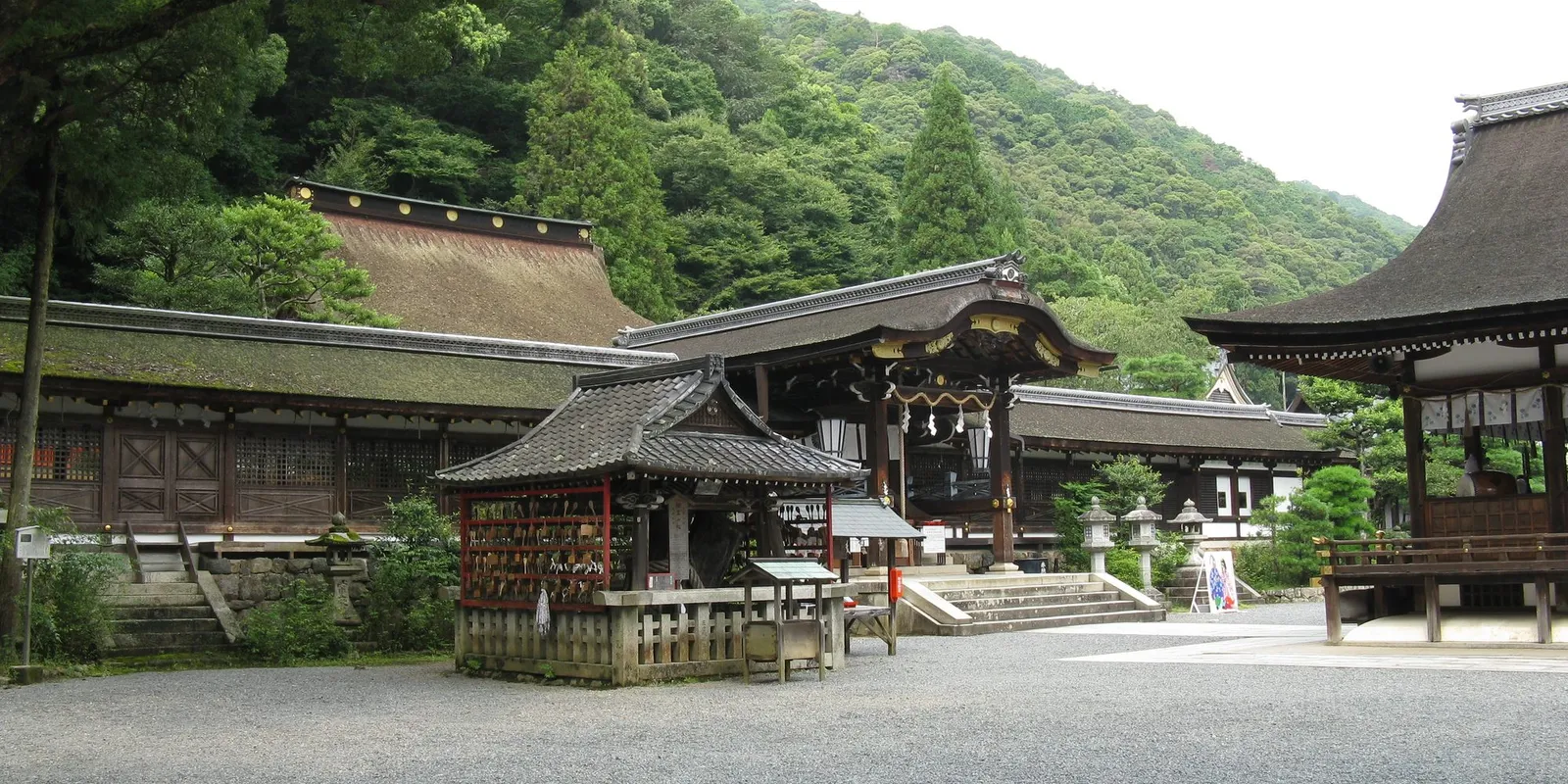
Matsuo Taisha stands at the foot of Mt. Matsuo in Kyoto’s Nishikyo Ward and is one of the city’s oldest shrines, enshrining Oyamakui-no-kami and Ichikishimahime-no-mikoto. According to shrine tradition, long before any formal shrine buildings were erected, people living in this area worshipped the spirit of Mt. Matsuo at a sacred rock (iwakura) on the mountainside as a guardian deity of daily life. In 701, Hata no Imiki Tori, a member of the Hata clan of continental immigrant descent, is said to have invited the deity’s spirit down from the sacred rock at Osugidani on Mt. Matsuo and built a shrine on the present site as the clan deity of the Hata. After the capital moved to Heian-kyo, Matsuo Taisha came to be spoken of alongside the Kamo shrines (Kamigamo and Shimogamo) as one of the twin guardians of the imperial capital, earning deep reverence from the court.
Matsuo Taisha’s nationwide fame as the guardian deity of sake brewing traces back to its ties with the Hata clan. Around the 5th century, the Hata, who are said to have brought advanced civil-engineering and brewing techniques from the continent, settled in this area, and sake production in Matsuo is said to date from that point. From the Muromachi period onward, Matsuo Taisha came to be called Japan’s foremost sake-brewing deity, and it has since drawn deep devotion from sake breweries, miso makers, and soy sauce producers across the country. To this day, brewers from all over Japan visit to pray for safe fermentation and business prosperity, and the shrine grounds are stacked with rows of sake barrels donated in offering.
Highlights
The current shrine buildings date to the early Edo period’s Kan’ei era and are built in the distinctive “Matsuo-zukuri” style of paired-gable construction; the honden is designated an Important Cultural Property. Behind the honden flows the sacred spring Kameno-i (“Turtle Well”), whose water is said to prevent sake from spoiling when added during brewing, and brewers still travel from afar to draw this water today.
Deeper in the grounds is Shofuen, a strolling garden designed in his final years by Shigemori Mirei, one of the leading garden designers of the Showa era, made up of three distinct gardens: the “Garden of Antiquity,” the “Garden of the Winding Stream,” and the “Garden of Horai.” The adjoining Sake Museum displays the history of sake brewing along with traditional brewing tools and sake vessels by contemporary ceramic artists. The Aioi-no-Matsu, a pine whose male and female trunks share a single root, is also popular with younger visitors as a symbol of good relationships and marital harmony.
Visiting Tips
After paying respects at the honden, many visitors draw water from the sacred Kameno-i spring at the back of the grounds to take home. The garden (Shofuen) and Sake Museum share a single admission fee (¥500 for adults); visiting the shrine itself is free. From mid-April through early May, roughly 3,000 kerria (yamabuki) bushes bloom across the grounds, drawing crowds during the shrine’s Yamabuki Festival. The vermillion Great Torii stands right in front of Matsunoo-taisha Station on the Hankyu Arashiyama Line, and the shrine is easily reached in just one stop, about 2 minutes, from the famed sightseeing district of Arashiyama.
Annual Festivals
- Chuyu-sai (mid-Tori day of April): Also known as the Brewing Thanksgiving Festival, this rite unique to Matsuo Taisha is attended by sake brewers and fermentation-industry representatives from across Japan who pray for a safe brewing season.
- Matsuo Festival — Shinko-sai (“Oide”) and Kanko-sai (“Okaeri”): On the first Sunday after April 20, portable shrines process through the parish in the Shinko-sai; 21 days later, on the following Sunday, they return to the main shrine in the Kanko-sai — together the largest festival of the shrine’s year.
- Yamabuki Festival (mid-April to early May): Held to coincide with the peak bloom of the roughly 3,000 kerria bushes on the grounds.
Nearby Food & Sightseeing
- Tempura Matsu: A quiet tempura restaurant near the shrine with views of Mt. Atago across the Katsura River.
- Just one stop (about 2 minutes) from Matsunoo-taisha Station on the Hankyu Arashiyama Line lies Arashiyama, home to Togetsukyo Bridge, the Bamboo Grove, and other of Kyoto’s most celebrated sights — an easy pairing with a visit to the shrine.
- Around the station are a handful of cafes known for coffee and thick-cut tamago sandwiches, good for a break between sightseeing.
Frequently Asked Questions
- Q. Why is Matsuo Taisha famous as a shrine for sake?
- A. The Hata clan, immigrants believed to have arrived from the continent around the 5th century bringing advanced brewing know-how, settled in this area, and sake production is said to have begun from that point. Since the Muromachi period the shrine has been called Japan's foremost sake-brewing deity, and its grounds are lined with sake barrels donated by breweries from across the country.
- Q. What are the hours and admission fee?
- A. The shrine grounds are open for worship at any time, but the garden (Shofuen) and treasure hall are open 9:00–16:00 (until 16:30 on Sundays and holidays) for ¥500 for adults.
- Q. Can I receive a goshuin here?
- A. Yes, 9:00–16:00 (until 16:30 on Sundays and holidays), for ¥300.
- Q. Is there parking?
- A. Yes, on-site parking is available (about 100 spaces), free for the first hour for worshippers.
- Q. How do I get there?
- A. The Great Torii stands right in front of Matsunoo-taisha Station on the Hankyu Arashiyama Line. It's just one stop, about 2 minutes, from Arashiyama Station.
Related Shrines
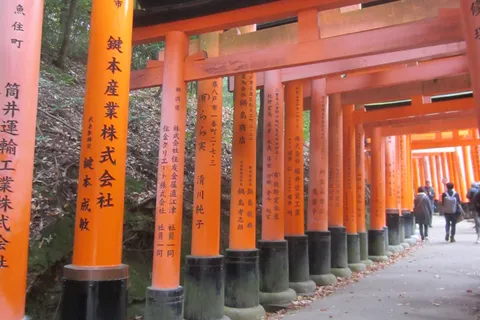
Kyoto Prefecture, Fushimi-ku, Kyoto
Fushimi Inari Taisha
Fushimi Inari Taisha
- Business Prosperity
- Bountiful Harvest
- Household Safety
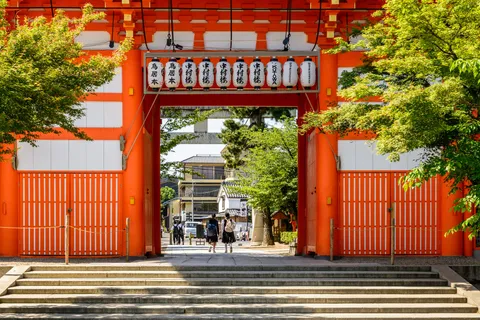
Kyoto Prefecture, Higashiyama Ward, Kyoto
Yasaka Jinja
Yasaka-jinja
- Protection from Epidemics
- Protection from Misfortune
- Business Prosperity
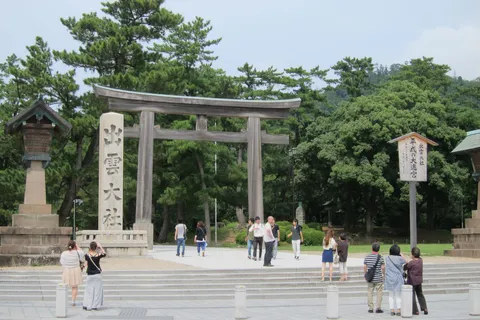
Shimane Prefecture, Izumo
Izumo Taisha
Izumo Ōyashiro
- Good Relationships
- Marital Harmony
- Business Prosperity