History
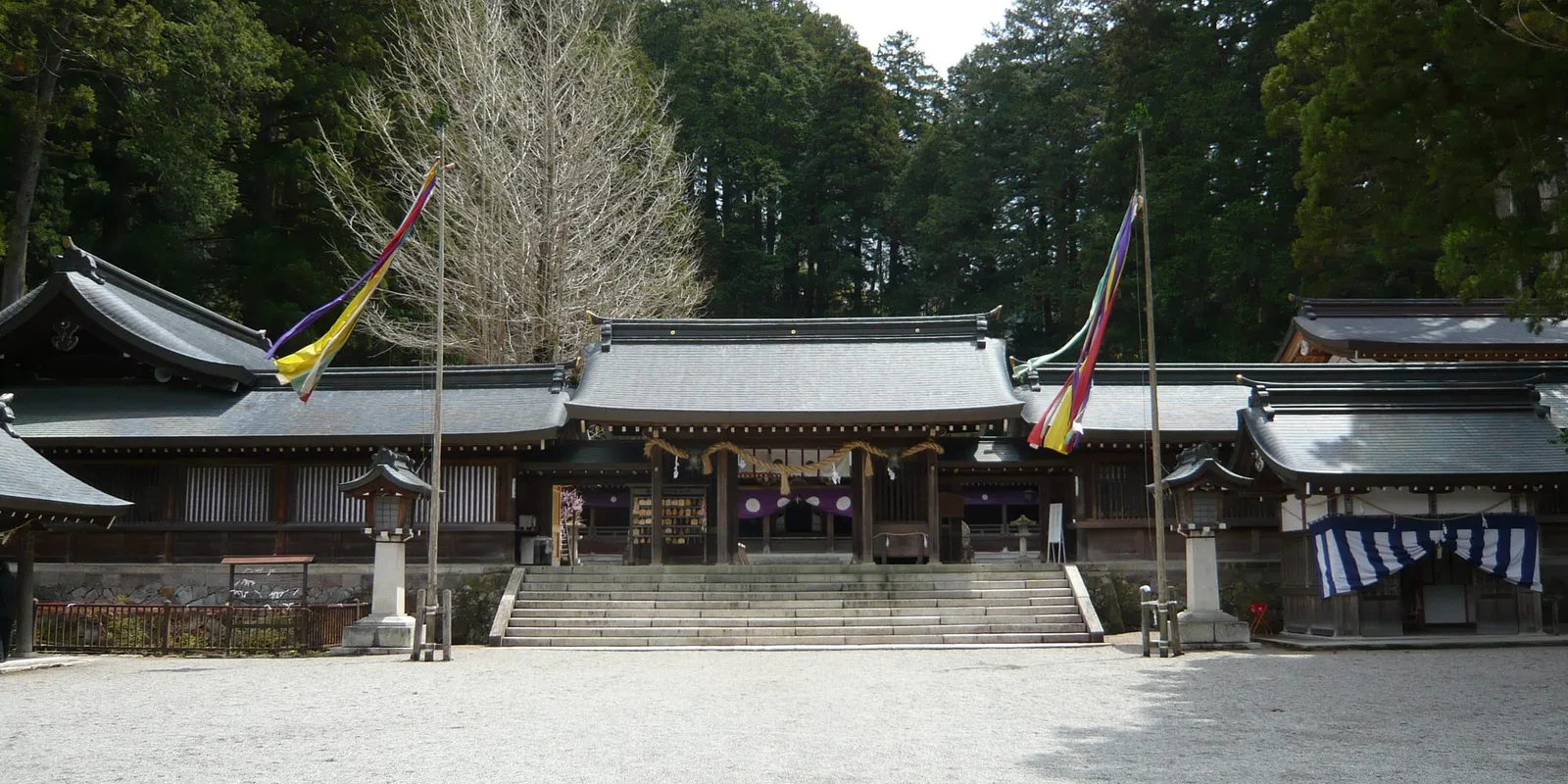
Hida Ichinomiya Minashi Shrine stands in Ichinomiya-cho, Takayama, and is the Ichinomiya (first-ranked shrine) of the old province of Hida, as well as the leading shrine among the eight Engishiki-listed shrines of Hida. Tradition says it was founded in the age of the gods, but old records were scattered and the exact date is uncertain; it first appears in history in 867 (Jogan 9), when it was granted the Junior Fifth Rank, Upper Grade, and in 881 it was raised to the Junior Fourth Rank, Upper Grade. In the medieval period Shinto-Buddhist syncretism advanced and the deity was also called “Minashi Daibosatsu,” and in 1607 Kanamori Nagachika, lord of Takayama, rebuilt the shrine buildings to revive it. It was ranked as a Kokuhei Shosha (minor state-supported shrine) in 1871 and, after the war, became a Beppyo Jinja (a special-listed shrine) under the Association of Shinto Shrines.
The shrine enshrines the principal deity Mitoshi no Okami along with 14 other deities, including Onamuchi no Mikoto, Amaterasu Sumeo-kami and Toyouke-hime no Okami; one theory holds that together they are called “Minashi no Okami” (another says the name refers to the principal deity alone). The deity has also been revered as “Sakugami-sama” — an ancestral deity of farming, a guardian of livestock and silkworm raising, and a protector of long life. According to the shrine, the name 水無 is officially read “Minashi”; one theory says it derives from 水主 (“Minushi,” master of water), another from 水成 (“Mizunashi,” the one who makes water).
In the modern era, Shimazaki Masaki, the father of the novelist Shimazaki Toson, served as chief priest here for about three years from 1874. Toward the end of the Second World War, the sacred object of Atsuta Jingu was also evacuated to this shrine for a time to escape air raids.
Highlights
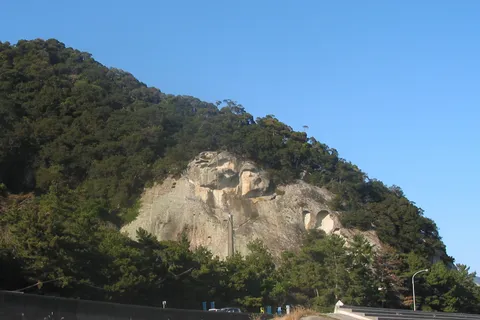
The shrine’s sacred mountain is Mt. Kurai (Kuraiyama), at the headwaters of the Miya and Hida rivers. It lies on the main watershed dividing the Sea of Japan side from the Pacific side, and is regarded as the shrine’s inner sanctuary; megalithic rock clusters lie on the mountain, and the primeval yew (ichii) forest there is designated a natural monument. The shrine has a long-standing custom of presenting to the Imperial Court a ceremonial shaku (scepter) made from Mt. Kurai’s yew, and according to its official website this continues today on the accession of an emperor and for the Ise Jingu periodic rebuilding.
Within the grounds, a great cedar about 800 years old (a Gifu Prefecture Natural Monument) stands as the sacred cedar. Other old trees include a ginkgo, also about 800 years old, revered for conception, safe childbirth and good matches; a katsura about 450 years old; and the “Neji-no-ki” (twisted tree), said to have been twisted overnight when villagers tried to fell it. There is also a stable housing two wooden sacred horses called “Inahami no Uma,” and the Emaden (votive hall), which preserves a ridge-beam plaque dated 1607. The shrine was the site of the great gathering of the Ohara Uprising, a peasant revolt that engulfed all of Hida in 1773, and the Emaden is linked to that history. The shrine crest is the “water gourd” crest, the character for water combined with six gourds, seen throughout the grounds.
Mt. Otabi, the festival’s resting place for the portable shrine, is a mound shaped like an ancient tumulus that serves as a place to worship Mt. Kurai from afar. Azaleas bloom there in spring, and it gives a sweeping view over the Miya basin.
Visiting Tips
The grounds are free to enter. The shrine office issues goshuin and amulets from 8:30 AM to 4:30 PM, and prayer ceremonies are accepted from 9:00 AM to 4:00 PM. Individual prayers need no reservation, but they cannot be offered during festivals and Shinto weddings, so it is safest to ask the shrine office beforehand (0577-53-2001). Prayers are not offered on May 1 and 2, when ceremonies run all day. The official website does not state the goshuin fee, so please check at the office.
There is a free lot with 100 spaces, open 24 hours. In winter, car navigation may send you onto the closed Prefectural Route 98 (Miya-Hagiwara Line), and snow and ice are possible at Miyatoge Pass on Route 41. By train, it is about an 8-minute walk from Hida-Ichinomiya Station on the JR Takayama Main Line. Limited express trains do not stop at that station and local trains are infrequent, so check the timetable. You can also take a Nohi Bus from Takayama Station; the one-way fare is ¥250.
Annual Festivals
- Reisai grand festival (May 1–2): May 1 is the Shigaku-sai eve festival (7:30 PM) and May 2 the main ceremony (10:00 AM), followed by a procession of about 400 people stretching roughly 1 km that escorts the portable shrine to the resting place on Mt. Otabi. The “Shinji Geino of Minashi Shrine” — Togyoraku (nicknamed “Kankakokan”), Jindai Odori and a lion dance — is a Gifu Prefecture Important Intangible Folk Cultural Property, and sacred sake (doburoku) brewed at the shrine is served to visitors. The festival was once held on the 15th of the eighth lunar month, then in autumn after the Meiji era, and moved to May 2 from 1961.
- Hida Ikibina Matsuri, “Living Doll Festival” (April 3): Begun in 1952, in this festival nine unmarried women, aged roughly 19 to 25–26 and recommended from Takayama and surrounding areas, play the roles of the hina dolls and serve at the shrine in a procession of about 900 m accompanied by gagaku court music. It is a Hida-style Hinamatsuri held a month late, praying for the silk and farming industries and for women’s happiness.
- Setsubun Festival (February 2–3): Large prayer ceremonies for good fortune, protection from misfortune and household safety.
- Nagoshi no Harae, summer purification (June 30): Visitors can pass through a chinowa (reed ring); participation is open to all.
- Shichi-Go-San prayers (October 1–November 30): The period for children’s Shichi-Go-San prayers.
- Niiname-sai (November 23): A harvest thanksgiving festival.
- New Year (January): The Saitan-sai New Year ceremony is held on January 1, and on January 7 the Nanakusa-gayu Festival serves seven-herb rice porridge to visitors as well.
Nearby Food & Sightseeing
- Garyu Sakura: An Edo-higan cherry tree over 1,100 years old, standing in Garyu Park right next to Hida-Ichinomiya Station. A National Natural Monument, it pairs well with a spring visit to the shrine.
- Mt. Otabi: The hill where the portable shrine rests during the festival. Azaleas bloom in spring, and it offers a view across the Miya basin.
- Mt. Kurai: The shrine’s sacred mountain and inner sanctuary, 1,529 m high, with megalithic rocks on its slopes and a feel of the great watershed.
- Old Town of Takayama: A popular Hida-Takayama sightseeing area that preserves the look of an Edo-period castle town. It is easy to combine with a shrine visit before or after the Nohi Bus ride from Takayama Station, along with local food such as Hida beef.
Frequently Asked Questions
- Q. What are the visiting hours and is there an admission fee?
- A. There is no admission fee for the grounds. The shrine office (goshuin and amulets) is open 8:30 AM–4:30 PM, and prayer ceremonies are accepted from 9:00 AM to 4:00 PM.
- Q. When can I get a goshuin at Minashi Shrine?
- A. At the shrine office during its opening hours (8:30 AM–4:30 PM). The fee is not stated on the official website, so please check at the office when you visit.
- Q. Is there parking?
- A. Yes, there is a free parking lot with 100 spaces, available 24 hours. In winter, car navigation may route you onto the closed Prefectural Route 98 (Miya-Hagiwara Line), and snow and ice are possible at Miyatoge Pass on Route 41, so take care.
- Q. When is the shrine's main annual festival?
- A. The Shigaku-sai (eve festival) is held on May 1 and the main Reisai festival on May 2. On the 2nd, a procession escorts the portable shrine to Mt. Otabi, where the Gifu Prefecture Important Intangible Folk Cultural Property "Shinji Geino of Minashi Shrine" (Togyoraku, Jindai Odori and lion dance) is offered and shrine-brewed sacred sake (doburoku) is served.
- Q. How is "Minashi Shrine" read, and which deities are enshrined?
- A. The official reading is "Minashi Jinja." The principal deity is Mitoshi no Okami, with 14 other deities enshrined alongside; one theory holds that all fifteen together are called "Minashi no Okami." The shrine regards Mt. Kurai as its sacred mountain and has long been revered as a deity of the water source of the Miya and Hida rivers.
Plan Your Visit
Before you go, you can book a stay and get your shrine-visit items ready.
Amazon links open Amazon.co.jp (Japan) in English; whether an item ships overseas depends on the product.
※ Contains ads (PR). Links open external sites such as Amazon, Rakuten, Trip.com and Booking.com.