History
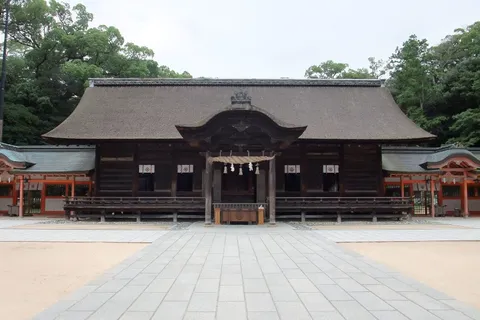
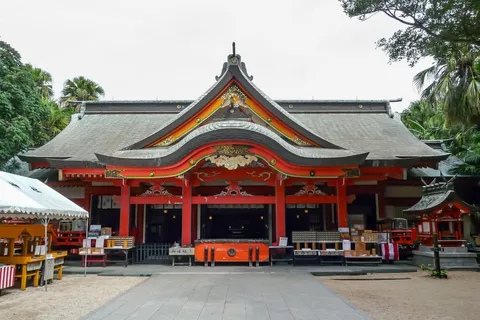
Mishima Jinja traces its founding to 806 (Daido 1), in the early Heian period, when a divided spirit was invited from Oyamazumi Jinja on the island of Omishima in what is now Imabari, Ehime. Oyamazumi Jinja, the head shrine of roughly ten thousand Yamazumi and Mishima shrines across Japan, was revered by the imperial court and generations of warriors as both a mountain and a sea deity. This shrine carries that same lineage of worship, enshrining Oyamatsumi no Kami as its principal deity alongside his daughters, Iwanagahime no Kami and Konohanasakuyahime no Kami. The shrine originally stood on the site of what is now Horibe Park, before being relocated to its present location in Nagahori in 1274, during the Kamakura period. Records show the shrine buildings were rebuilt in 1297 and again in 1518, and the current main hall dates to 1737.
From the medieval period onward, the shrine received devoted patronage from the successive lords who governed the region, including the Uwajima Date domain lords of the Edo period, and it came to be revered across the ages as the guardian shrine of southern Uwajima. It is still affectionately known today by its epithet “Ujo Minami Sochinshu” (guardian shrine of southern Ujo) and by the nickname “O-Mishima-san” among local residents, who hold it close as a shrine woven into everyday life.
Highlights
One highlight is the pair of guardian lion-dog statues (komainu) enshrined in front of the main hall. These wooden carvings, in a style dating to the Muromachi period, were designated a tangible cultural property (crafts) of Uwajima City in 2000. Standing side by side — a horned dog-form guardian on one side and a hornless lion-form guardian on the other — their original coloring has faded with time, but they still attest to the fine craftsmanship of their era.
In recent years, the shrine has also drawn attention for its cat-themed charms. Cats can often be spotted living on the grounds, and amulets featuring a black cat design for warding off misfortune, along with other cat-motif items, have become popular among visitors. In 2024, the shrine’s gathering hall and roof were renovated, leaving the grounds looking fresh and well-kept.
Visiting Tips
A visit to the grounds takes about 15–20 minutes. The free parking area holds about 20 cars, but it gets quite crowded during the first three days of the New Year with hatsumode visitors, so it’s best to allow extra time if visiting then. Goshuin stamps are hand-written and available from ¥300, and the cat-themed designs are especially popular. The shrine is about a 15-minute drive from JR Uwajima Station, making it easy to combine with a visit to Uwajima Castle or the city center.
Annual Festivals
- New Year’s Festival (January 1): A festival held from the middle of the night praying for the peace of the community and the nation at the start of the year, with sacred music offered.
- Dondo-yaki Bonfire (January 15): Old talismans, charms, and New Year decorations are ritually burned, praying for good health through the year ahead.
- Spring Festival (April 14): A spring festival praying for a bountiful harvest, with an evening offering of sacred music and a mochi-throwing ceremony.
- Summer Purification Festival (July 31): A rite purifying half a year’s transgressions and praying for good health through the summer, featuring a ring-passing purification ritual and food stalls that draw large crowds.
- Autumn Festival (October 14): The shrine’s most important annual festival, featuring a portable shrine procession, a riverside sacred procession, and evening fireworks, drawing the whole of southern Uwajima into the celebration.
Nearby Food & Sightseeing
- Uwajima Castle: Built by Todo Takatora and later home to the Date family, this is one of Japan’s twelve surviving original castle keeps, standing in the city center about 15 minutes by car from the shrine.
- Tanaka Kamaboko Honten: A long-established shop founded in 1888 specializing in jakoten, Uwajima’s famous deep-fried fish cakes — great served hot as a street snack.
- Hozumi-tei: A well-known local restaurant near Uwajima Station serving Uwajima tai-meshi, the city’s signature dish of raw sea bream sashimi mixed with egg and sauce over rice.
Frequently Asked Questions
- Q. What are the visiting hours?
- A. The grounds are open to visitors at all times; shrine office hours vary, so it's best to check ahead.
- Q. When is the goshuin office open?
- A. Hand-written goshuin are available from ¥300.
- Q. Is there parking?
- A. Yes, free on-site parking is available (about 20 spaces; crowded during the first three days of the New Year).
- Q. Is there really a cat theme here?
- A. Yes — a cat lives on the grounds, and cat-themed amulets, including a black-cat protection charm, are popular.
- Q. How do I get there?
- A. About a 15-minute drive from JR Uwajima Station.