History
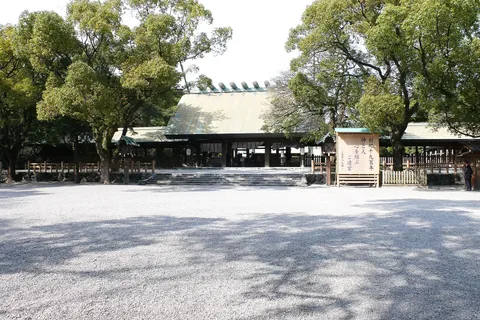
Nikko Toshogu enshrines Tokugawa Ieyasu, founder of the Edo shogunate. The shrine was established in Nikko the year after Ieyasu’s death in 1616, in accordance with his will. Ieyasu, deified as “Tosho Daigongen,” is honored in a shrine complex that took on its present, dazzlingly ornate form during the “Great Reconstruction of the Kan’ei Era” carried out under the third shogun, Tokugawa Iemitsu. In 1999, the shrine was registered as a UNESCO World Heritage Site as part of the “Shrines and Temples of Nikko.”
Nikko had already been a sacred site of mountain worship long before Toshogu was founded. In 766, during the Nara period, the priest Shodo Shonin entered Nikko and founded Shihonryuji Temple, marking the beginning of Nikko’s religious history as a mountain, and in 782 he succeeded in reaching the summit of Mt. Nantai. Ieyasu wished to be buried in this venerable sacred mountain, and his will is said to have originally instructed that only a modest hall be built. However, the second shogun, Tokugawa Hidetada, built a shrine closer to its present scale to mark the first anniversary of Ieyasu’s death, and Iemitsu, who deeply revered Ieyasu, carried out a complete rebuilding in 1636 — the 21st anniversary of Ieyasu’s death — modeled on the periodic rebuilding tradition of Ise Jingu’s Shikinen Sengu, completing the magnificent shrine seen today.
Highlights
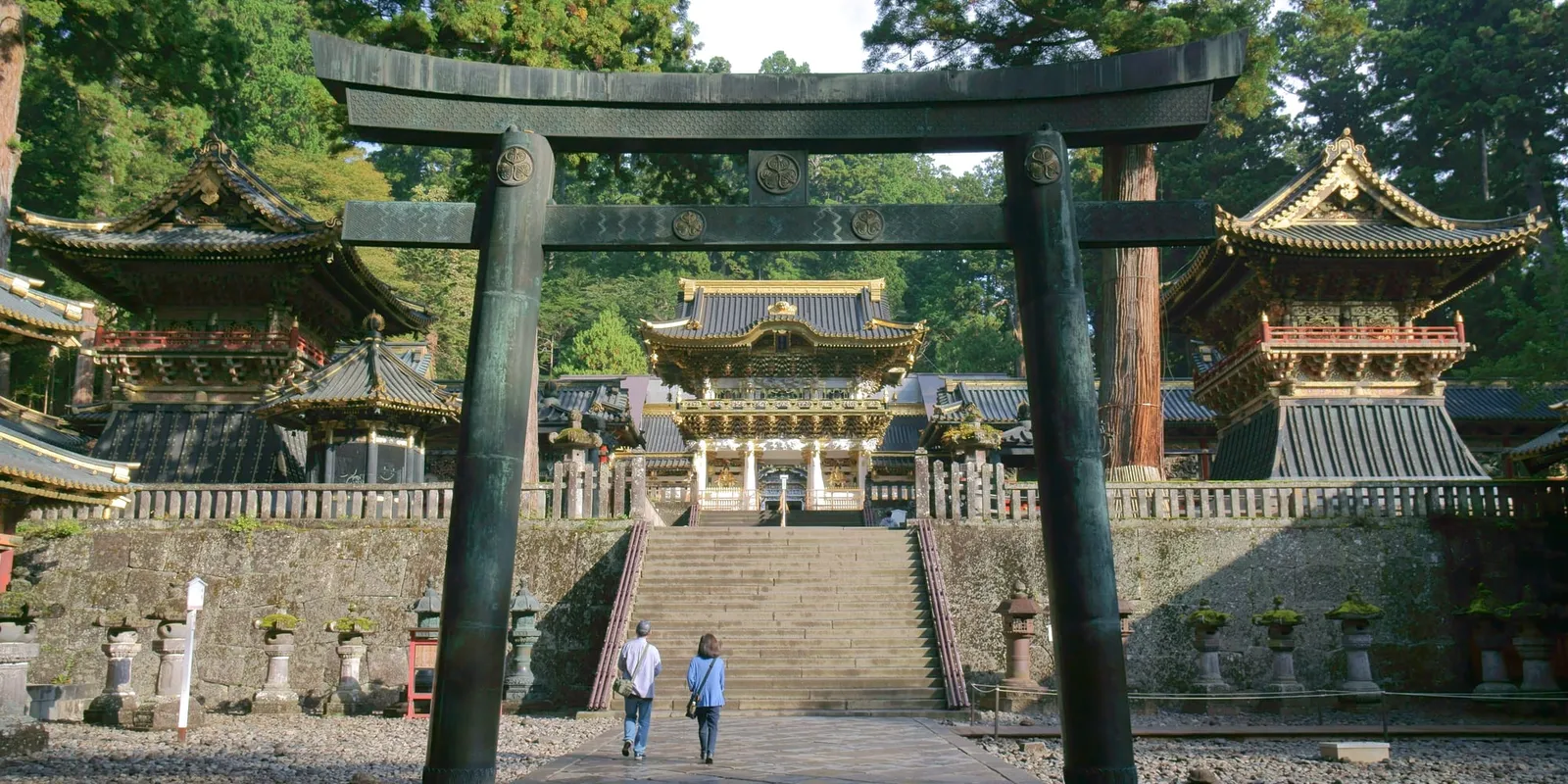
The shrine buildings, including the famous Yomeimon Gate, are decorated with elaborate carvings and coloring representative of Edo-period craftsmanship — so magnificent that the gate is nicknamed the “Higurashi-mon,” or “Sunset Gate,” because you could gaze at it until sunset and never tire of it. The “see no evil, hear no evil, speak no evil” three wise monkeys carved on the Sacred Stable, and the sleeping cat (Nemuri-neko) carving, are especially famous.
Visiting Tips
The grounds are extensive with plenty to see, so plan on spending one to two hours for your visit. This is a shrine best appreciated slowly, taking time to admire even the smallest details of its vividly colored carvings.
Annual Festivals
- Spring Grand Festival (May 17–18): Nikko Toshogu’s largest festival, held to mark the anniversary of Ieyasu’s death; on May 17, a yabusame (mounted archery) ritual is performed, and on May 18, the “Thousand-Warrior Procession” reenacts the transfer of Ieyasu’s remains from Kunozan to Nikko.
- Autumn Festival (October 16–17): A festival of slightly lesser scale than the Spring Grand Festival but similar in prestige, featuring processions of participants in traditional dress.
Nearby Food & Sightseeing
Together with the neighboring Nikko Futarasan Shrine and Rinnoji Temple, the three sites are known as the “Two Shrines and One Temple,” and many visitors tour all three together. The town of Nikko also offers plenty of local specialties, including yuba (tofu skin) cuisine.
- Yugen: A long-established yuba restaurant with 150 years of history, popular for its full-course yuba set meal featuring sashimi-style and simmered preparations.
- Kishino: Just about a minute’s walk from Toshogu, this restaurant serves yuba dishes on-site.
- Oshokujidokoro Shiori: A Japanese restaurant serving set meals centered on Nikko’s famous yuba cuisine.
Frequently Asked Questions
- Q. What are the visiting hours?
- A. 9:00–17:00 (9:00–16:00 from November to March).
- Q. How long should I plan for a visit?
- A. With so much to see, 1–2 hours is recommended.
- Q. When is the goshuin office open?
- A. Around 9:00–16:00, for ¥500.
- Q. Is there parking?
- A. Yes, paid parking is available nearby.
- Q. How do I get there?
- A. About a 7-minute bus ride from Tobu or JR Nikko Station to the "Omotesando" stop, then about a 10-minute walk.