History
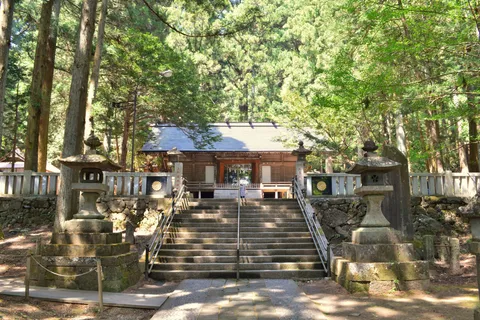
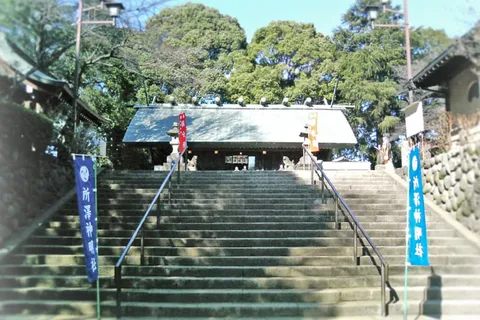
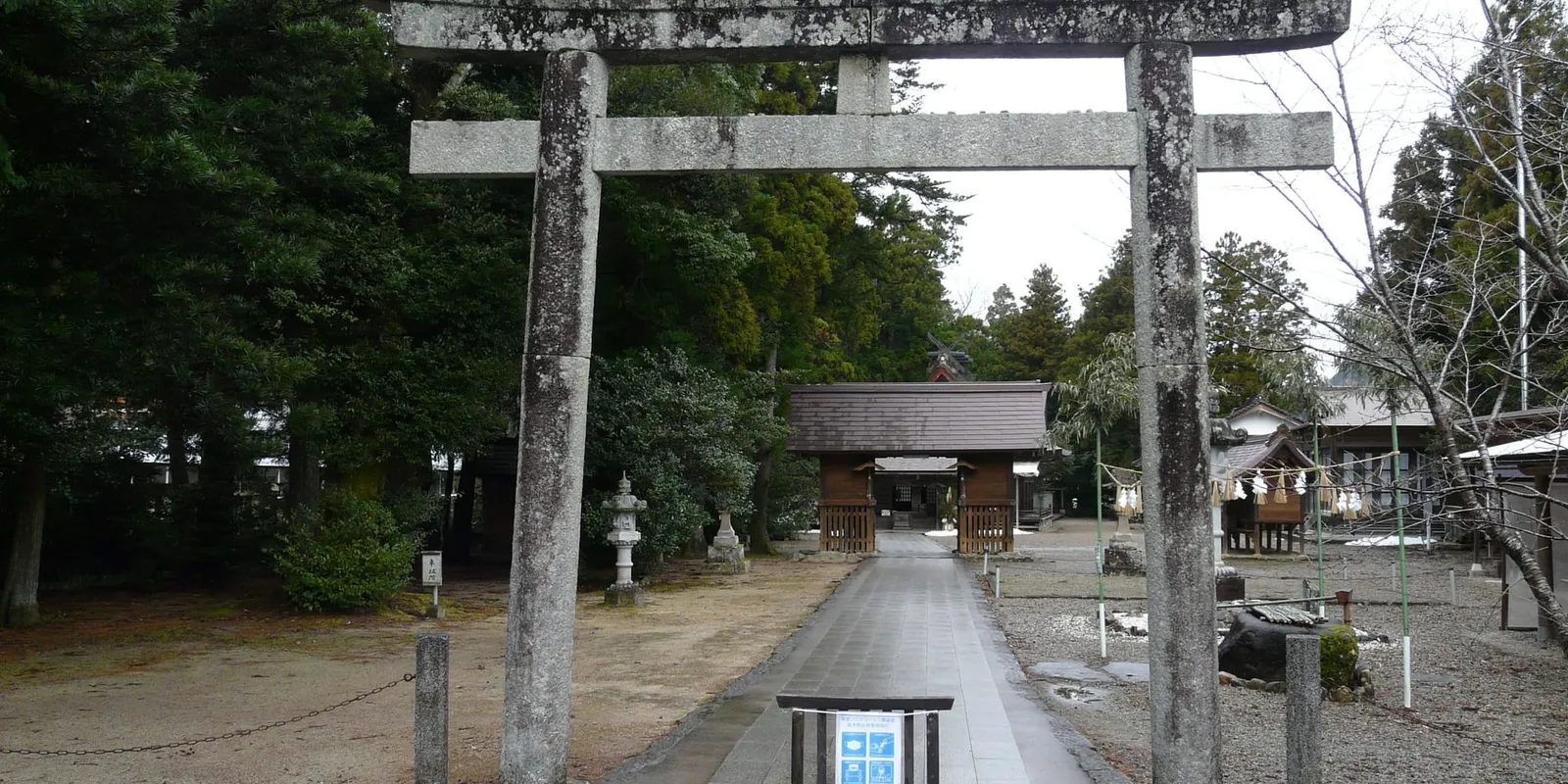
Susa Shrine stands in Susa, Sada-cho, Izumo, Shimane Prefecture. The official site describes it as a shrine where the spirit of Susa-no-o-no-Mikoto (Susanoo) was settled. It is read “Susa Jinja” (the reading given by tourist-information sites; the official site spells it Susa Jinja in English). The official site names four deities: Susa-no-o-no-Mikoto, Inadahime-no-Mikoto, Ashinazuchi-no-Mikoto and Tenazuchi-no-Mikoto (ancestral deity of the Susa family).
According to the official site, the Izumo Fudoki records Susanoo saying, “This land is small but a good place, so I will give my name to the land, not to a tree or stone,” after which he fixed Osusada and Kosusada and settled his own spirit there. The shrine therefore describes itself as the main shrine of Susanoo. It is an ancient Engishiki-listed shrine enshrined in the upper reaches of the Kando River, and the official site says that from the medieval to the early modern period it was called “Susa Omiya,” “Izumo Omiya” and “Junisho Daimyojin.” In modern times it became a gosha (village shrine) in 1872 (Meiji 5), a kensha (prefectural shrine) the next year, and a kokuhei shosha (small national shrine) in 1899 (Meiji 32); after the war it became a Beppyo shrine.
As for the site, it is said to have originally stood at the foot of Mt. Miyao, southeast of the Miyauchi hamlet, and to have been moved to its present location in the Tencho era (824–833) (per the official site).
Highlights
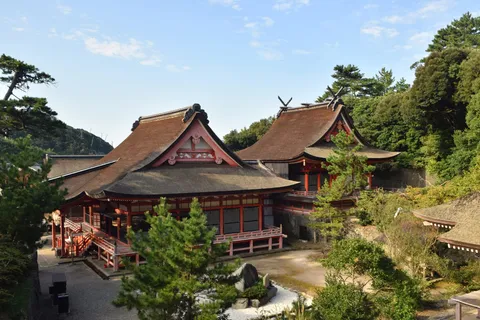
The main hall is in the Taisha-zukuri style. According to the official site it measures two ken (just over 4 m) square and seven ken (just over 12 m) high, with a gabled roof in the tochi-buki (栩葺) style. Along with Izumo Taisha, it is described as a typical Taisha-zukuri building and is a Shimane Prefecture designated cultural property (designated in 1966, Showa 41; the official site’s two pages give different months). The dedicated sengu site says the present main hall was newly built by Amago Haruhisa in 1554 (Tenbun 23).
“Ohsugi-san,” the great cedar in the grounds, is described by the official site as an old cedar just over 7 m around and over 30 m tall, with an age of about 1,300 years counted from the relocation of the shrine. The Sogagawa river flows to the west of the shrine buildings, and the grounds also hold auxiliary shrines: Amaterasu Shrine (upper shrine), Miho Shrine (lower shrine), the East and West auxiliary shrines, an Inari shrine, and others.
The official site also introduces the “Seven Wonders”: Shio-no-i, Aioi no Matsu, Shinme, Ochiba no Maki, Kagenashi-zakura, Hoshinamera and Amatsubo. For example, Shio-no-i is a small pond in front of the main shrine, said to be where Susanoo himself drew seawater to purify the land; it is said to connect to the Sea of Japan and to produce “flowers of salt” on the nearby ground at high tide. The Ochiba no Maki is said to be the origin of the shrine’s crest, the “Tsuru-kashiwa,” through a tale about Inadahime’s childbirth implements.
Among the treasures, the official site lists the “Hyogo-kusari no Tachi” sword dedicated by Amago Haruhisa in the 21st year of Tenbun (said to have been designated an Important Cultural Property in September 1912), and a lion head said to be the work of Hidari Jingoro.
Visiting Tips
The shrine is currently in the middle of its Reiwa Sengu. According to the dedicated sengu site, the temporary relocation ceremony for the main hall was held on April 19, 2025, and the main enshrinement ceremony on November 16, 2025. As the second-stage work, a ridge-raising ceremony for the rebuilt worship hall was announced for August 30, 2026. Renovation of the worship hall and the offering-preparation hall is set for Reiwa 8–9, and the official notice says the old worship hall had stood for over 100 years since its relocation in 1897 (Meiji 30). The look of the grounds may change with the progress of the work, so check the official site beforehand.
Visiting hours (gate opening and closing times) are not stated on the official site, which lists phone reception at the shrine office as 9:00 AM–4:00 PM. Prayer reception at the shrine is suspended on festival and wedding days. As of October 2026 these are the afternoon of November 15, November 22, November 23, the morning of December 20 and the afternoon of December 31. The whole precinct is non-smoking, and the official site asks visitors not to use drones or bring pets.
For goshuin, a notice on the official site announces a “Sengu Hosan Special Goshuin” featuring a paper-cut picture of the old worship hall, offered at the shrine only for ¥1,000 according to the notice image. The official site says nothing about regular goshuin.
For access, the official site gives bus information for the Ichibata Bus route bus from JR Izumoshi Station. It also lists information on rental e-bikes (9:00 AM–5:00 PM, ¥800; at the Susanoo Hall annex next to the Izumo City Sada Branch Office) and on getting from the Susa bus stop. Parking is beside the shrine, with a temporary lot when it is crowded.
Annual Festivals
From the official site’s “festival days” and “rites” pages, the main events are as follows.
- Gantan-sai (January 1)
- Setsubun-sai (Setsubun in February)
- Kinen-sai (February 17)
- Annual festival (Chokin-sai) (April 18)
- Koden-sai (April 19): The Ryo-o no Mai dance and the Momote Shinji archery rite are performed.
- Kiriake Shinji festival (August 15): The Kiriake Shinji rite is held in the afternoon.
- Autumn festival (October 17)
- Niiname-sai (November 23)
- Great Purification (June 30 and December 31)
- Tsukinami-sai (the 15th of every month)
For Reiwa 8, the shrine is also taking offerings of new rice harvested from its sacred field (Ise-hikari), which is presented at the Niiname Festival. Dates and details vary by year, so check the latest on the official site.
Nearby Food & Sightseeing
- Izumo Susa Onsen Yukari-kan: A facility the shrine’s official site mentions (“in front of Yukari-kan”) when describing the site of a former branch shrine to Inadahime. An onsen-information site noted that it was closed as of June 2025, so check its current status.
- Izumo City Sada Branch Office (Susanoo Hall annex): The official site gives this as the place to rent electric-assist bicycles (9:00 AM–5:00 PM, ¥800 per person).
- Kando River: The river in whose upper reaches the official site says the shrine stands.
Frequently Asked Questions
- Q. What are the visiting hours of Susa Shrine?
- A. The official site gives no visiting hours (gate opening and closing times); it lists phone reception at the shrine office as 9:00 AM–4:00 PM. Prayer reception at the shrine is suspended on festival days, wedding days and the like. As of October 2026, the official site lists: the afternoon of November 15 (Sunday) for the Himo-otoshi Festival; all day November 22 (Sunday) for a wedding (subject to change); all day November 23 (Monday) for the Niiname Festival; the morning of December 20 (Sunday) for the Susuharai rite; and the afternoon of December 31 (Saturday) for the Great Purification. Check the official site's prayer-suspension notice for the latest.
- Q. Can I get a goshuin at Susa Shrine?
- A. According to a notice on the official site, a "Sengu Hosan Special Goshuin" with a paper-cut picture of the old worship hall is being given to mark the Reiwa Sengu. The notice image says the offering is ¥1,000, that it is given at the shrine only (no mail orders), that it is not written directly into your goshuin book, and that it is limited to one per person. The notice text says it will be given until around May of the following year, while the image says until the prepared supply runs out. The official site does not state whether a regular goshuin is available, its fee, or the hours, so please ask the shrine office (0853-84-0605).
- Q. How do I get there, and is there parking?
- A. For rail travel, the official site links to the timetable of the Ichibata Bus route bus departing from JR Izumoshi Station; travel time is not stated in the site's text. By car, there is a parking lot beside the shrine, and when it is crowded the official site directs visitors to a temporary lot (number of spaces and fees are not stated). The official site also warns that winter tires or chains may be required in snow.
- Q. I heard a sengu is under way. Can I still visit?
- A. According to the official site and the dedicated sengu site, the temporary relocation ceremony for the main hall took place on April 19, 2025 (Reiwa 7), and the main enshrinement ceremony on November 16, 2025. The second-stage work, including rebuilding the worship hall, is continuing, and a ridge-raising ceremony for the hall was announced for August 30, 2026. Renovation of the worship hall and the offering-preparation hall is scheduled for Reiwa 8–9 (2026–2027), with a celebration on completion in Reiwa 9. I could not find a full closure on the official site, but prayer reception is suspended on festival days, so check the official site before you go.
- Q. What is special about Susa Shrine, and what are its "Seven Wonders"?
- A. According to the official site, the Izumo Fudoki records that Susa-no-o-no-Mikoto fixed Osusada and Kosusada and settled his own spirit here, and the shrine describes itself as a shrine of his spirit and as his main shrine. The main hall is in the Taisha-zukuri style and is designated a Shimane Prefecture cultural property. The official site introduces seven wonders of the grounds: Shio-no-i, Aioi no Matsu, Shinme, Ochiba no Maki, Kagenashi-zakura, Hoshinamera and Amatsubo.
Plan Your Visit
Before you go, you can book a stay and get your shrine-visit items ready.
Amazon links open Amazon.co.jp (Japan) in English; whether an item ships overseas depends on the product.
※ Contains ads (PR). Links open external sites such as Amazon, Rakuten, Trip.com and Booking.com.