History
Kasama Inari Jinja was founded, according to tradition, in 651 CE (the second year of Hakuchi). Shrine legend holds that this area was once open wilderness dominated by a single great walnut tree, and that local villagers, sensing the divine presence there, enshrined Ukanomitama no Kami — giving the shrine its old nickname “Kurumigashita Inari” (“Inari beneath the walnut tree”). For more than 1,360 years since, it has been venerated as a deity of bountiful harvests, business prosperity, and household safety.
During the Edo period the shrine received generous patronage from successive lords of the Kasama domain, beginning with Inoue Masakata, whose devotion spread the shrine’s fame well beyond the domain’s borders. After the Makino clan took over as lords of Kasama in 1746, the imperial court granted the shrine the title “Shoichii Inari Daimyojin,” the highest rank in the Shinto hierarchy. The current main hall, built around 1860 in the shrine’s late-Edo reconstruction, is now a National Important Cultural Property. Together with Fushimi Inari Taisha in Kyoto and Yutoku Inari Jinja in Saga, it is counted as one of Japan’s “Three Great Inari Shrines,” drawing roughly 3.5 million visitors a year and ranking among the most-visited Inari shrines anywhere in the country.
Highlights
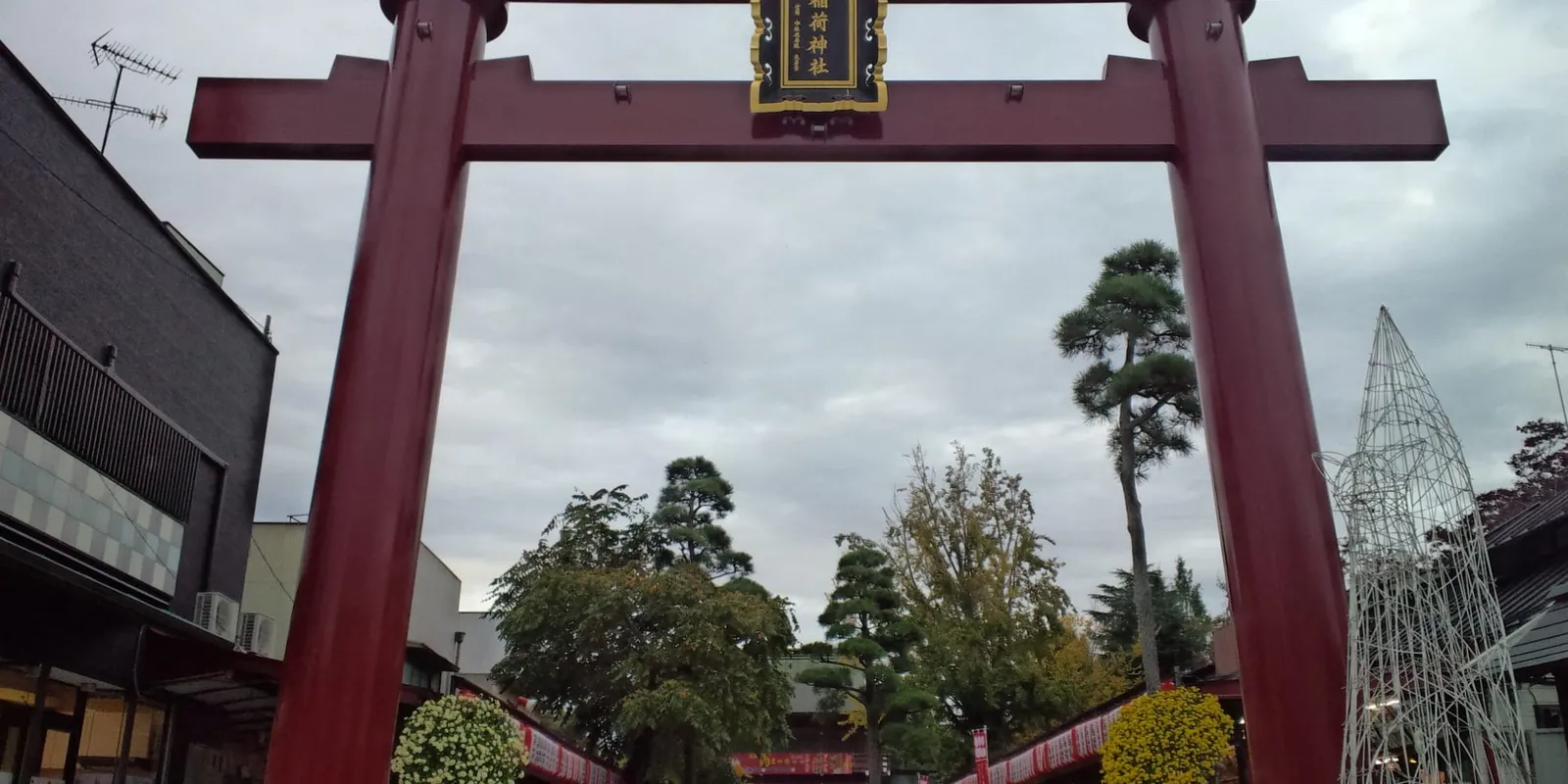
The main hall is covered in intricate openwork carvings by master craftsmen of the late Edo period, their vivid multicolor detail rewarding a close look. The towering great torii gate at the entrance to the approach once collapsed from age but was rebuilt in 2016 with donations gathered from across Japan, repainted in a vermillion shade chosen to match Kasama’s townscape. Two wisteria vines on the grounds, designated a prefectural natural monument, burst into fragrant purple bloom each year from early to mid-May, drawing visitors from across the region.
Each autumn the shrine hosts the “Kasama Chrysanthemum Festival,” which grew out of a morning-glory exhibition in the Meiji era before chrysanthemum displays were added in 1908. Today, elaborate chrysanthemum dolls and giant blooms fill the grounds, making it one of the signature sights of autumn in Kasama.
Visiting Tips
Visiting just the main hall takes about 30–45 minutes. The shrine is roughly a 20-minute walk from JR Kasama Station, or about 5 minutes by taxi. Goshuin stamps are available at the shrine office to the left of the main hall, with special limited-edition designs offered during the chrysanthemum festival. The grounds stay open until sunset, so an early-morning visit in the quiet air is also worth considering.
Annual Festivals
- Hatsuuma Festival (first Day of the Horse in February): One of the most important festivals for any Inari shrine, drawing large crowds who pray for business success and a bountiful harvest.
- Grand Festival (April 9): The shrine’s most important annual rite, featuring a portable-shrine procession and a range of Shinto ceremonies.
- Rice Planting Festival (around June): A ceremonial planting held in the shrine’s sacred rice paddy to pray for a bountiful harvest.
- Kasama Chrysanthemum Festival (mid-October through late November): The grounds fill with giant chrysanthemum blooms and elaborate chrysanthemum dolls, a signature sight of autumn in Kasama.
- Year-End Market and Purification Rite (December and February): Traditional observances marking the close of the year and the warding-off of misfortune.
Nearby Food & Sightseeing
- Kasama History Exchange Hall Izutsuya: A Meiji-era former inn on the shrine’s approach, now a visitor center with local history exhibits and a small cafe.
- Kasama Nichido Museum of Art: About a 6-minute walk from the shrine, this museum holds a wide-ranging collection of Western-style paintings and sculpture.
- Kasama Craft Hills: A complex dedicated to Kasama’s famed pottery tradition, with permanent gallery displays, hands-on pottery classes, and a craft cafe.
Frequently Asked Questions
- Q. What are the visiting hours at Kasama Inari Jinja?
- A. The grounds are open 6:00 to around sunset (the shrine office is open roughly 8:30–17:00).
- Q. When can I get a goshuin, and how much does it cost?
- A. Goshuin are available at the shrine office roughly 8:30 to 17:00, for ¥500.
- Q. Is there parking at Kasama Inari Jinja?
- A. Yes, free parking is available at both the shrine-grounds lot (25 spaces, no large buses) and the Jizo-mae lot (90 spaces, buses OK).
- Q. When do the wisteria at Kasama Inari Jinja bloom?
- A. The two wisteria vines on the grounds, known as the Kasama Fuji and designated a prefectural natural monument, burst into purple bloom each year from early to mid-May.
- Q. How do I get to Kasama Inari Jinja?
- A. About 20 minutes on foot or 5 minutes by taxi from JR Kasama Station on the Mito Line; about 15 minutes by car from the Tomobe IC on the Kita-Kanto Expressway.
Related Shrines
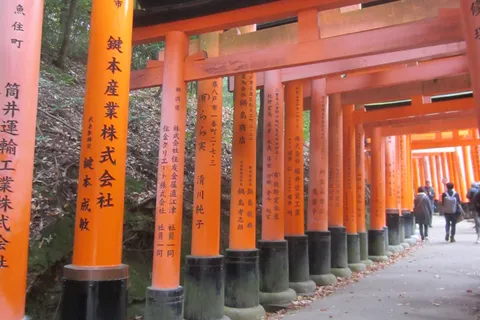
Kyoto Prefecture, Fushimi-ku, Kyoto
Fushimi Inari Taisha
Fushimi Inari Taisha
- Business Prosperity
- Bountiful Harvest
- Household Safety
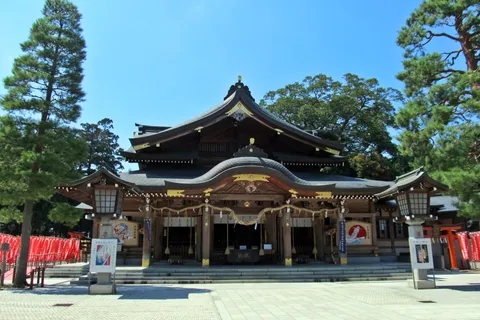
Miyagi, Iwanuma
Takekoma Jinja
Takekoma-jinja
- Business Prosperity
- Bountiful Harvest
- Household Safety
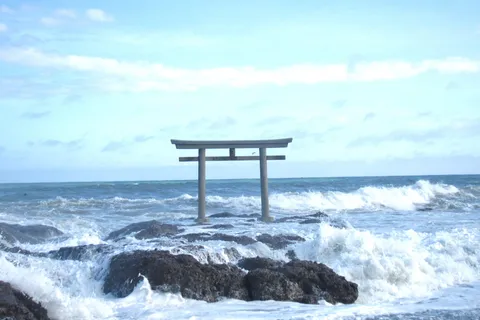
Ibaraki, Oarai
Oarai Isosaki Jinja
Ōarai Isosaki-jinja
- Maritime Safety
- Business Prosperity
- Good Relationships