History
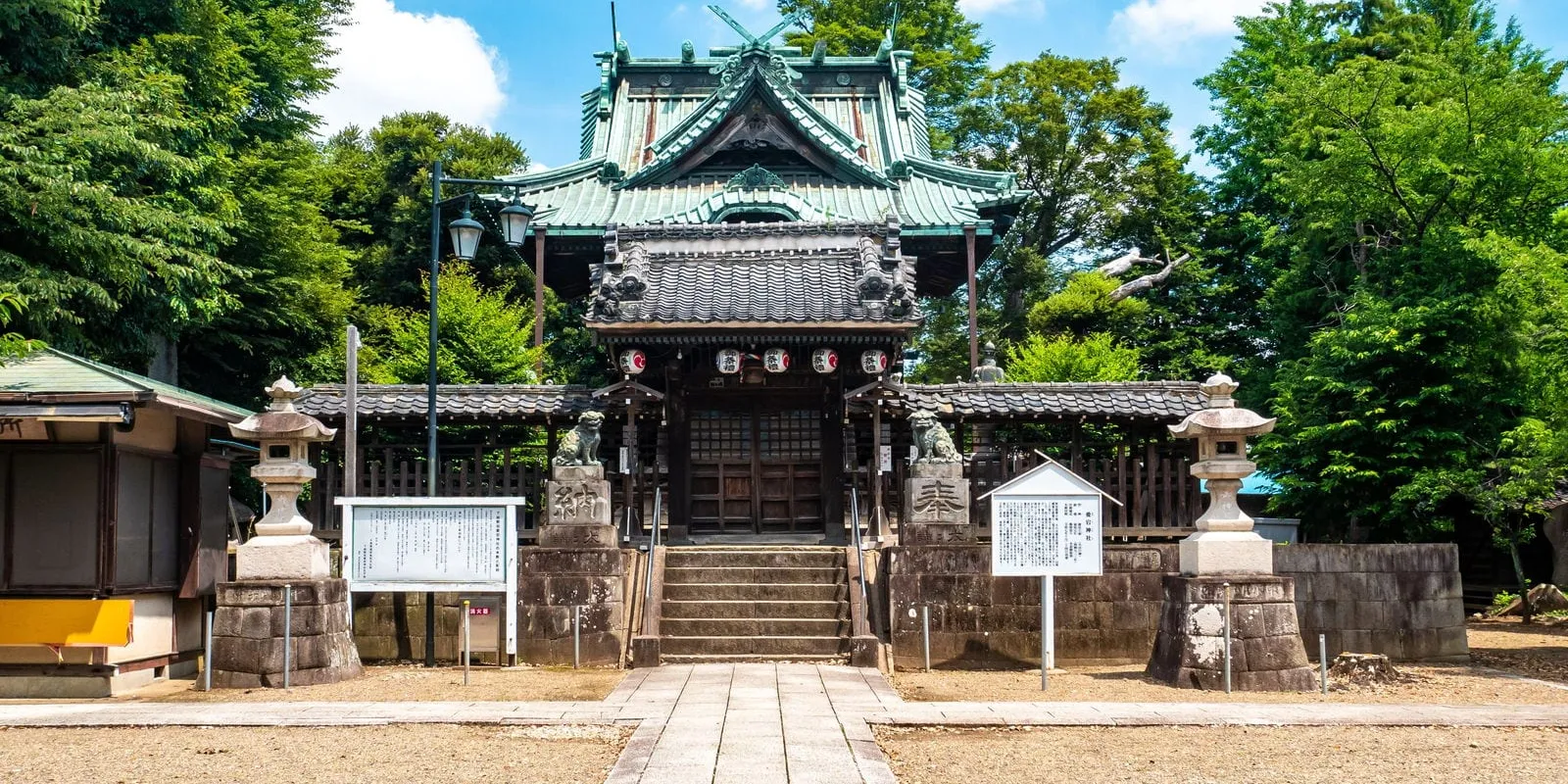
Atago Shrine stands in Noda, Noda City, Chiba, and is read “Atago-jinja.” According to the Chiba Prefecture cultural property description, it is said to have been founded in 923 (Encho 1) by enshrining the fire-warding deity of Atago Shrine in Yamashiro Province. Japanese Wikipedia names the deity as Kagutsuchi, explains that the fire deity was chosen after a major fire, and says the shrine was once the Atago Gongen, closely linked with the temple Saiko-in. No official site was found. Content not on the city or prefecture cultural property pages, such as the deity, is supplementary information from sources such as Wikipedia.
On the present buildings, Noda City says: “it is said that construction restarted in 1813 (Bunka 10) and the shrine was rebuilt in 1824 (Bunsei 7).” The Chiba Prefecture page likewise mentions a record that the present shrine building was rebuilt in 1824. The same prefectural page also estimates the construction date as going back to the latter half of the 17th century based on scale and style, so the dating differs within the sources.
According to the website of the Noda Tsukumai Preservation Society, the discovery of the main hall’s ridge tablet (munafuda) in 1933 (Showa 8) led Furuyatsu Asajiro to research the shrine’s history and compile it as the “Atago Shrine Nenreki.” The line “Tsuku-mai no hajime wa Kyowa 2 natsu” in it (the Tsuku-mai began in the summer of Kyowa 2) is said to be the only historical source for examining the dance’s beginnings.
Highlights
The main attraction is the main hall, a Chiba Prefecture designated tangible cultural property (building). Noda City describes it as an irimoya-style, three-bay wooden hall with a copper-tiled roof. The carvings are by Ishihara Tsunehachi II, from Hanawa village (now Midori City, Gunma Prefecture), known as a “village of craftsmen,” and are called typical late-Edo-period work of excellent design and technique. The Chiba Prefecture page explains that, being unpainted natural wood with extensive carving, it shows the characteristics of shrine architecture of this period. It was designated on March 30, 2004 (Heisei 16).
The travel guide site visiting-japan.com introduces the worship hall as dating from 1838 (Tenpo 9) and the kagura stage from 1916 (Taisho 5) (a single source, so treat it as reference information). According to the same site, the neighboring Saiko-in was founded in 1643 (Kan’ei 20) and served as the shrine’s betto temple until the Meiji-era separation of Shinto and Buddhism. Japanese Wikipedia also says there is a haiku monument to Matsuo Basho on the grounds.
Visiting Tips
The Noda City and Chiba Prefecture pages say nothing about visiting hours, parking or goshuin, and no official site was found. A 2017 personal blog says no priest is stationed at the shrine, so it is best to expect visiting the shrine and viewing the buildings rather than services from a shrine office.
According to the Noda City page, it is about a 6-minute walk from Atago Station on the Tobu Noda Line (Urban Park Line); some guide sites give 4 to 5 minutes. The “Atago Jinja-mae” stop for Mame Bus and Ibaraki Kotsu buses can also be used.
Annual Festivals
No annual events of Atago Shrine itself are listed here, as no public source could be confirmed.
A related event is the nationally selected intangible folk cultural property “Noda no Tsuku-mai.” According to Noda City, it is a folk performance given on the middle day of the summer festival (mid-July) of the three Noda districts of Kami, Naka and Shimo-machi, and is also said to be a rain-prayer ritual based on water-deity belief. A dancer in white costume and a tree-frog mask (called “Jujiro”) performs acrobatics on a pole about 14.5 m tall, on a barrel at its top, and on a rope stretched from the pole. It was designated an intangible folk cultural property of Chiba Prefecture in 1993 and a national selected intangible folk cultural property in 1999.
The link to Atago Shrine lies in the “Atago Shrine Nenreki,” which records the origin (said to be a rain-prayer ritual in Noda-machi and Yamazaki village during the drought of 1802, Kyowa 2). However, the city page says the performance location changes depending on the districts’ rotating duty group (tsuku nenban) and does not say it is held at Atago Shrine. The Noda Tsukumai Preservation Society describes it as a performance dedicated at the festival of Suga Shrine in Shimo-machi. If you plan to watch, check the latest information from the city or the society.
Nearby Food & Sightseeing
No food information is listed, as no source could be confirmed.
- Saiko-in: A temple adjoining Atago Shrine. According to visiting-japan.com, it was founded in 1643 (Kan’ei 20) and was the shrine’s betto temple until the separation of Shinto and Buddhism.
- Noda City Local History Museum: Listed together with the Atago Shrine main hall in the Chiba Prefecture site’s list of Noda’s tangible cultural properties (buildings).
- Kofukai Hall: A building on the same list.
Frequently Asked Questions
- Q. What are the visiting hours at Atago Shrine in Noda?
- A. The Noda City and Chiba Prefecture cultural property pages do not list visiting hours, and no official site was found, so no guideline can be given. It is safest to visit the shrine and view the building during daylight hours.
- Q. Can I get a goshuin at Atago Shrine?
- A. The Noda City and Chiba Prefecture pages say nothing about goshuin. A personal blog from a 2017 visit says no priest is stationed at the shrine and that goshuin are given as pre-written sheets at a different shrine (Sakuragi Shrine) for ¥300, but it is unconfirmed whether this is still the case. Please check beforehand.
- Q. How do I get there, and is there parking?
- A. According to the Noda City cultural property page, it is about a 6-minute walk from Atago Station on the Tobu Noda Line (Urban Park Line). It can also be reached by Mame Bus or Ibaraki Kotsu bus at the "Atago Jinja-mae" stop. Parking is not mentioned on the Noda City or Chiba Prefecture pages and could not be confirmed.
- Q. What kind of cultural property is the main hall?
- A. The main hall was designated a Chiba Prefecture tangible cultural property (building) on March 30, 2004 (Heisei 16). Noda City describes it as an irimoya-style, three-bay wooden hall with a copper-tiled roof, with carvings by Ishihara Tsunehachi II, who came from Hanawa village (now Midori City, Gunma Prefecture). The present shrine building is said to have restarted construction in 1813 (Bunka 10) and to have been rebuilt in 1824 (Bunsei 7).
- Q. Is the Tsuku-mai performed at Atago Shrine?
- A. According to Noda City, the Tsuku-mai is a folk performance given on the middle day of the summer festival (mid-July) of the three Noda districts of Kami, Naka and Shimo-machi, and is also said to be a rain-prayer ritual based on water-deity belief. It was designated an intangible folk cultural property of Chiba Prefecture in 1993 and a national selected intangible folk cultural property in 1999. Its origin is traced to an entry in the "Atago Shrine Nenreki" for 1802 (Kyowa 2), but the city page says the performance location changes depending on the districts' rotating duty groups and does not say it is held at Atago Shrine. The Noda Tsukumai Preservation Society's site describes it as a performance dedicated at the festival of Suga Shrine in Shimo-machi.
Plan Your Visit
Before you go, you can book a stay and get your shrine-visit items ready.
Amazon links open Amazon.co.jp (Japan) in English; whether an item ships overseas depends on the product.
※ Contains ads (PR). Links open external sites such as Amazon, Rakuten, Trip.com and Booking.com.