History
Shiwahiko Jinja’s enshrined deity, Shiwahiko-no-Okami, is traditionally venerated as a god of abundant harvests, industrial development, and land development, said to have worked alongside Shiotsuchi no Oji no Kami and the other deities of neighboring Shiogama Jinja to help develop and cultivate the Mutsu region. The Heian-period Engishiki shrine registry lists “Shiwahiko Jinja” separately from Shiogama Jinja, ranking it as a Myōjin Taisha (a “great shrine” reserved for only the most prestigious sites) — evidence that Shiwahiko Jinja was already recognized as a shrine of high standing, receiving deep reverence from the imperial court, by at least the early Heian period.
Shiwahiko Jinja originally stood near Iwakiri, in what is now Miyagino Ward, Sendai, at a strategic point along the old Tōzandō road leading to Taga Castle, the seat of the Mutsu provincial government. In 1871 (Meiji 4) it was ranked as a Kokuhei Chūsha (a mid-ranking shrine receiving offerings from the state), but because its original grounds had become cramped and neglected, an imperial decree in 1874 (Meiji 7) ordered its relocation to the grounds of Shiogama Jinja.
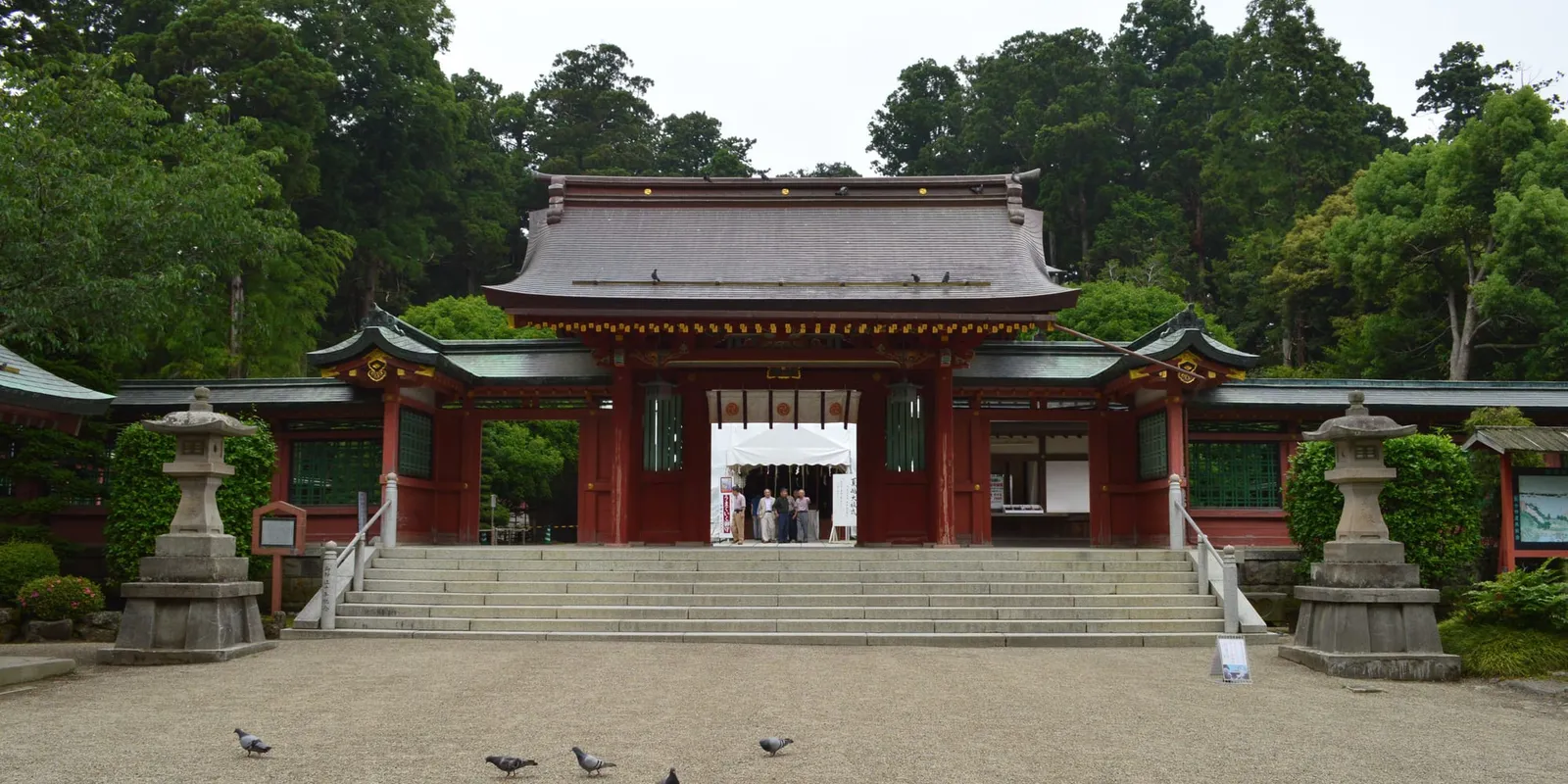
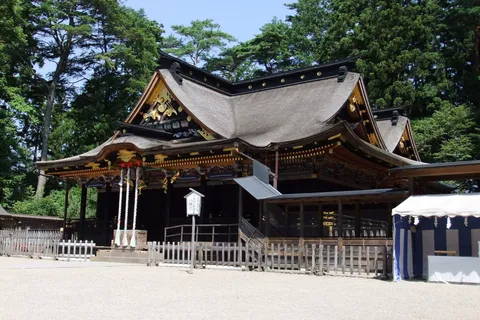
For some decades after the move, Shiwahiko Jinja was housed in a temporary structure. Construction of a proper, permanent shrine hall — funded entirely by the national government — began in 1934 (Showa 9), and the present buildings were completed in 1938 (Showa 13), when a formal relocation ceremony installed the deity in its new hall. Shiwahiko Jinja is considered one of the last shrines in Japan to be built entirely with national government funds. Its lavish hall, finished in black lacquer with vermillion and five-color decoration, offers a striking contrast to the more restrained Edo-period architecture of neighboring Shiogama Jinja, and was designated a Shiogama City cultural property in 1963 as a distinguished example of Showa-era shrine architecture.
Relationship to Shiogama Jinja
Shiwahiko Jinja and Shiogama Jinja are administered together as a single religious corporation, “Shiwahiko Jinja / Shiogama Jinja,” and their halls sit side by side atop the same hilltop grounds. Even so, the two are historically and institutionally distinct shrines with different origins and different principal deities. Where Shiogama Jinja has stood on this hill since ancient times as the ichinomiya (first shrine) of Mutsu Province, Shiwahiko Jinja is, in effect, a shrine that moved in from elsewhere — originally located in Iwakiri, it was welcomed onto these grounds only in the Meiji era. The two shrines share a single office for goshuin and administrative matters and jointly host many of the same festivals, but each maintains its own independent main hall and worship hall, and visitors are traditionally expected to pay their respects at both halls separately.
Highlights
Completed in 1938, Shiwahiko Jinja’s main hall and worship hall are finished in black lacquer richly accented with vermillion and five-color decoration — a striking contrast to the more austere, early Edo-period architecture of neighboring Shiogama Jinja. The worship hall is a five-bay irimoya-style structure with a stone-paved floor and a surrounding balustrade. As at Shiogama Jinja, the grounds offer sweeping views of Matsushima Bay, and comparing the two neighboring halls side by side is one of the distinctive pleasures of visiting Shiwahiko Jinja / Shiogama Jinja.
Visiting Tips
Shiwahiko Jinja has no goshuin office of its own; goshuin and amulets for both shrines are handled together at Shiogama Jinja’s shrine office. If you climb Shiogama Jinja’s Omotezaka (the steep 202-step stairway), note that Shiwahiko Jinja stands just beyond Shiogama Jinja’s main hall, so those without much stamina may prefer the gentler East Approach instead. Most visitors pay their respects at both Shiwahiko Jinja and Shiogama Jinja, so it’s worth checking a site map first to make sure you don’t miss one of the two halls.
Annual Festivals
- Reisai (March 29): Shiwahiko Jinja’s principal annual festival, held around the spring equinox.
- Shiogama Jinja Reisai (July 10): Shiwahiko Jinja also holds rites alongside the main annual festival of neighboring Shiogama Jinja.
Nearby Food & Sightseeing
Since Shiwahiko Jinja shares its grounds with Shiogama Jinja, the surrounding food and sightseeing options are the same as those listed for Shiogama Jinja. Shiogama is known for its fresh seafood, and many visitors come to enjoy “Shiogama-zushi” sushi after paying their respects.
- Cafe Harema: Located between JR Hon-Shiogama Station and the shrine, this cafe is set in a renovated early-Meiji-era inn, serving sweets and light meals with local Shiogama flavors.
- Around Hon-Shiogama Station, several local confectionery shops serve treats like goshiki dango (five-color dumplings), perfect for a post-visit snack while strolling.
Frequently Asked Questions
- Q. What's the difference between Shiwahiko Jinja and Shiogama Jinja?
- A. Shiwahiko Jinja and Shiogama Jinja are jointly operated as a single religious corporation, known as "Shiwahiko Jinja / Shiogama Jinja," but they are historically and formally two separate shrines with different origins and different principal deities. Shiwahiko Jinja originally stood in the Iwakiri area of what is now Sendai, and was relocated to Shiogama Jinja's grounds in 1874 (Meiji 7). Today their halls stand side by side atop the same hill, but each shrine has its own independent main hall and worship hall.
- Q. Where can I get a goshuin?
- A. Shiwahiko Jinja has no goshuin office of its own. Visitors receive a single two-page goshuin covering both Shiwahiko Jinja and Shiogama Jinja at Shiogama Jinja's shrine office, open roughly 9:00–16:30, for ¥500.
- Q. Are the visiting hours and parking the same as Shiogama Jinja?
- A. Yes. Since Shiwahiko Jinja shares the same grounds as Shiogama Jinja, visiting hours (5:00–18:00, varying by season) and the free on-site parking are shared between the two shrines.
- Q. How do I get to Shiwahiko Jinja?
- A. It's about a 15-minute walk from JR Senseki Line Hon-Shiogama Station. Shiwahiko Jinja sits just beside Shiogama Jinja's main hall, reached via Shiogama Jinja's gentler East Approach slope.
- Q. Who is Shiwahiko-no-Okami, the enshrined deity?
- A. Shiwahiko-no-Okami is traditionally venerated as a deity of abundant harvests, industrial development, and land development. According to tradition, the deity worked alongside Shiotsuchi no Oji no Kami and the other deities enshrined at neighboring Shiogama Jinja to help develop and cultivate this region.
Related Shrines
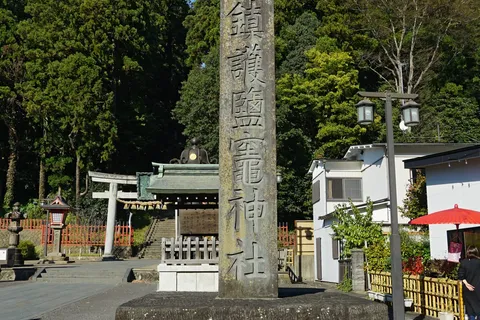
Miyagi Prefecture, Shiogama
Shiogama Jinja
Shiogama-jinja
- Maritime Safety
- Safe Childbirth
- Longevity
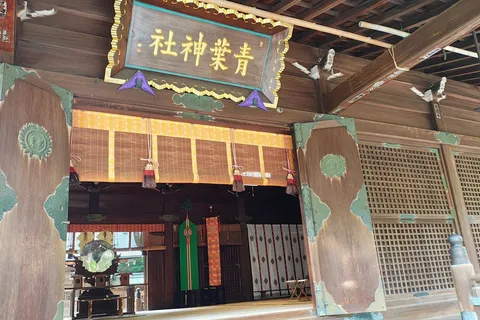
Miyagi Prefecture, Aoba Ward, Sendai
Aoba Jinja
Aoba Jinja
- Good Fortune
- Victory in Competition
- Business Prosperity
Miyagi Prefecture, Sendai (Aoba Ward)
Osaki Hachimangu
Ōsaki Hachimangū
- Victory in Competition
- Protection from Misfortune
- Good Fortune