History
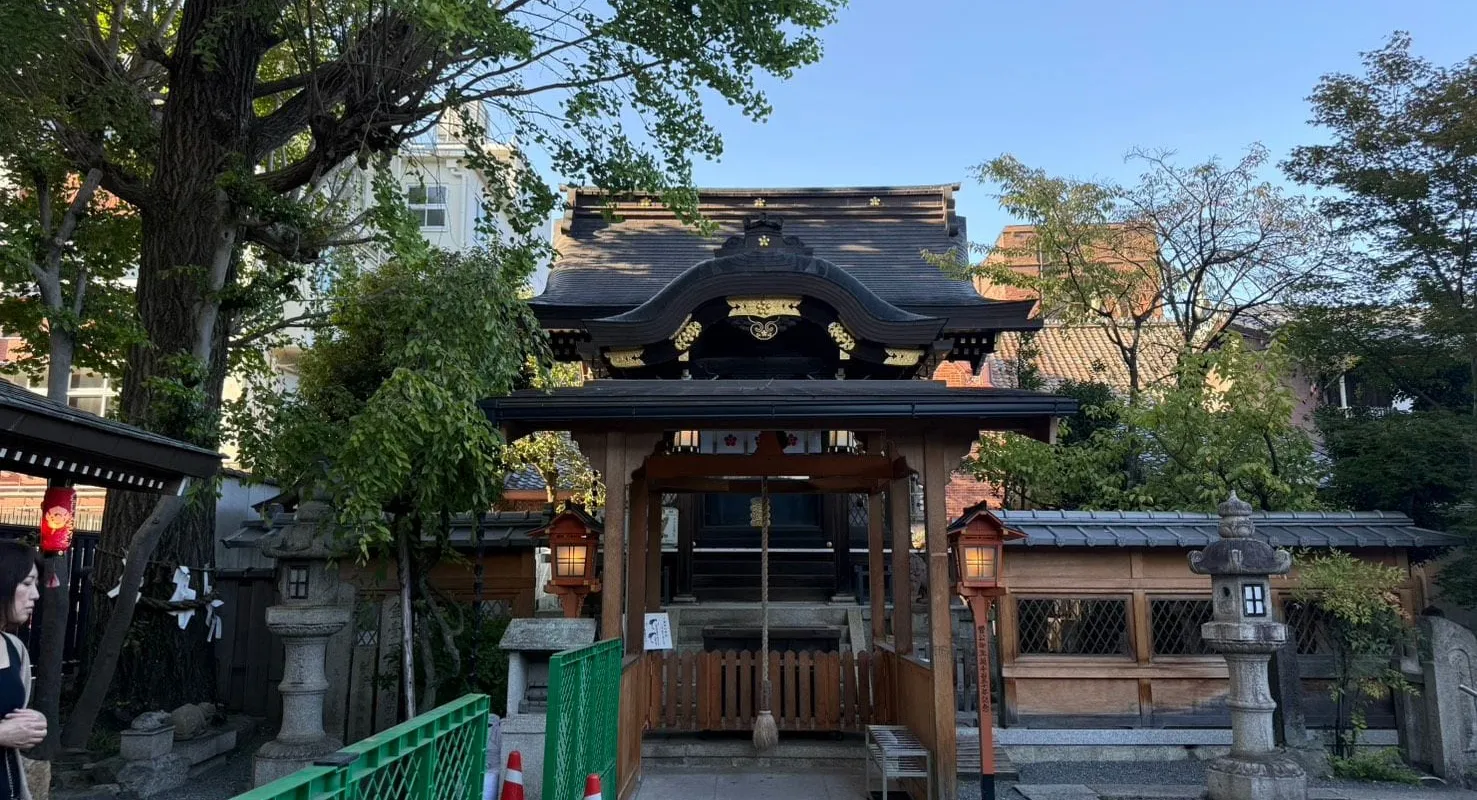
Sugawara-in Tenmangu Shrine is said to stand on the birthplace of Sugawara no Michizane, Japan’s most famous scholar-statesman and revered today as the “god of learning.” The site was once the residence of the Sugawara family — Michizane’s grandfather Kiyokimi, his father Koreyoshi, and Michizane himself all lived here across three generations, and tradition holds that Michizane was born on these very grounds.
After Michizane died in exile in Dazaifu in 903, the temple Kangikoji was built on the family’s former estate in his memory, along with a small shrine dedicated to him and his ancestors. Kangikoji was later relocated elsewhere in Kyoto, but the shrine hall remained as a marker of Michizane’s birthplace, and has been maintained ever since. The shrine enshrines Michizane as its principal deity, together with his father Koreyoshi and grandfather Kiyokimi.
Recognized as the first stop on the “25 Sacred Sites of Sugawara Michizane” pilgrimage route, the shrine is affectionately known locally as “Karasuma no Tenjin-san.” Its grounds preserve several relics directly tied to Michizane, including a well said to have been used for his infant bath and a stone lantern he is said to have cherished.
Highlights
In the northeast corner of the grounds is the “birth-bath well” (Ubuyu no Ido), said to have supplied the water used to bathe the infant Michizane after his birth in 845. The well is roughly 8–9 meters deep, and the stonework around its rim is said to date from the Heian period itself. Water is now drawn from about 25 meters underground, and visitors are welcome to take some home — many do so hoping for good fortune before an exam or during illness.
To the left of the main worship hall stands Umemaru Daimyojin, a sub-shrine known for its association with recovery from cancer and skin ailments. Visitors receive a white handkerchief from the shrine office, touch it to a “healing stone” placed in front of the hall, and then apply it to the affected part of the body — a distinctive ritual that draws visitors from across Japan, some of whom return to give thanks after a successful recovery. The grounds are also home to Kuzuryu Okami, associated with good relationships and matters of water, and Togakushi Okami, long linked to relief from toothache.
The current main hall dates to renovations carried out to mark the enthronement ceremony of Emperor Showa, when the grounds were expanded, the hall’s orientation was changed from facing east to facing south, and it was raised onto a stone platform. The shrine sits directly across the street from the Shimodachiuri Gate of Kyoto Gyoen, the park surrounding the Kyoto Imperial Palace, making for a quiet, green setting despite its central location.
Michizane was also famously devoted to plum blossoms throughout his life, a connection reflected in the plum crest used by Tenmangu shrines nationwide. Two of his poems about plum blossoms remain especially well known: one written at age five admiring the plum tree in his garden, and another composed as he departed for exile in Dazaifu, asking the plum tree to keep blooming and send its fragrance to him even without its master present.
Visiting Tips
Visiting hours are 6:00–17:00, and the grounds are free to enter. Goshuin are available at the shrine office for ¥500, covering the main shrine as well as Umemaru Daimyojin and the on-site Itsukushima Shrine. There is no parking on site, so visiting by subway — about a 5-minute walk from Exit 2 of Marutamachi Station on the Karasuma Line — is recommended.
Beyond the shrine’s core academic-success and exam-success blessings, the birth-bath well’s water is considered beneficial before exams or during illness, and Umemaru Daimyojin draws visitors specifically praying for recovery from cancer. Given its location right across from Kyoto Gyoen, the shrine pairs naturally with a walk through the Imperial Palace grounds.
Annual Festivals
- Monthly Rites (1st and 25th of every month): Held twice a month in gratitude and prayer.
- Kinen Festival / Plum Blossom Festival (February 25): A prayer for a good harvest, held as a “plum blossom festival” in honor of Michizane’s beloved flower.
- Umemaru Shrine Festival & Purification Rite (March 25): The annual festival for the Umemaru Daimyojin sub-shrine, together with a rite of purification.
- Grand Festival (July 25): The shrine’s largest annual festival, honoring the spirit of Sugawara no Michizane.
- Niiname Festival (November 25): A festival of thanksgiving for the year’s harvest.
Nearby Food & Sightseeing
- Kyoto Gyoen National Garden: Right across the street from the shrine’s Shimodachiuri Gate entrance, this expansive park surrounding the Kyoto Imperial Palace is a popular spot to combine with a visit here.
- Timedou Cafe & Gallery: About a 1-minute walk from Exit 2 of Marutamachi Station, right by the Karasuma-Marutamachi intersection — a convenient stop for open sandwiches and seasonal sweets after your visit.
Frequently Asked Questions
- Q. What are the visiting hours?
- A. 6:00–17:00 (special hours apply around New Year). The grounds are free to enter.
- Q. Can I get a goshuin here?
- A. Yes, for ¥500 at the shrine office. Goshuin are also available for the sub-shrine Umemaru Daimyojin and the on-site Itsukushima Shrine.
- Q. Is there parking?
- A. No, there is no parking on site. Visiting by subway (Marutamachi Station) is recommended.
- Q. What is the 'birth-bath well'?
- A. A well said to have been used to bathe the infant Sugawara no Michizane at his birth. The stonework dates from the Heian period, and visitors may take some of the spring water home; it's said to bring good fortune for exams and recovery from illness.
- Q. How do I get there?
- A. About a 5-minute walk north from Exit 2 of Marutamachi Station on the Karasuma subway line. The shrine stands directly across from the Shimodachiuri Gate of Kyoto Gyoen (the Imperial Palace park).
Related Shrines
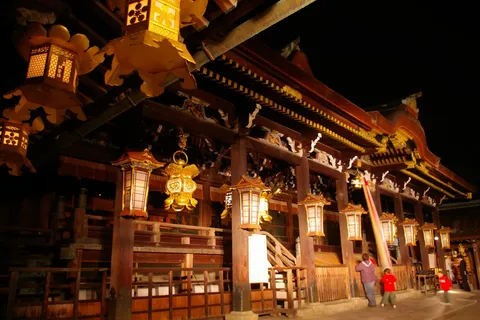
Kyoto Prefecture, Kamigyo Ward, Kyoto
Kitano Tenmangu
Kitano Tenmangū
- Academic Success
- Exam Success
- Protection from Misfortune
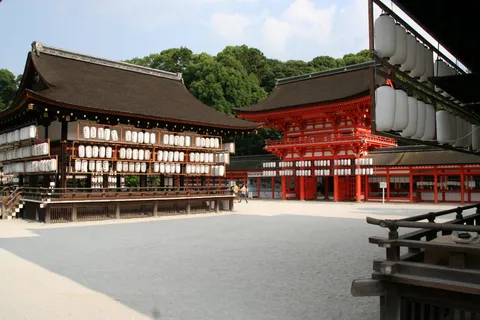
Kyoto Prefecture, Sakyo Ward, Kyoto
Shimogamo Jinja
Shimogamo-jinja
- Good Relationships
- Safe Childbirth
- Protection from Misfortune
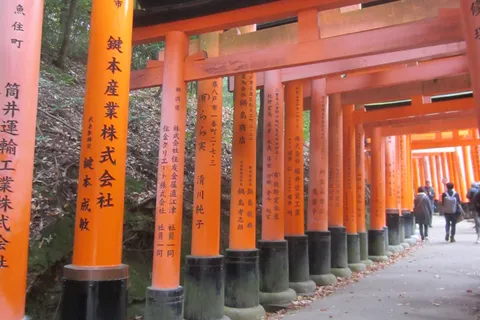
Kyoto Prefecture, Fushimi-ku, Kyoto
Fushimi Inari Taisha
Fushimi Inari Taisha
- Business Prosperity
- Bountiful Harvest
- Household Safety