History
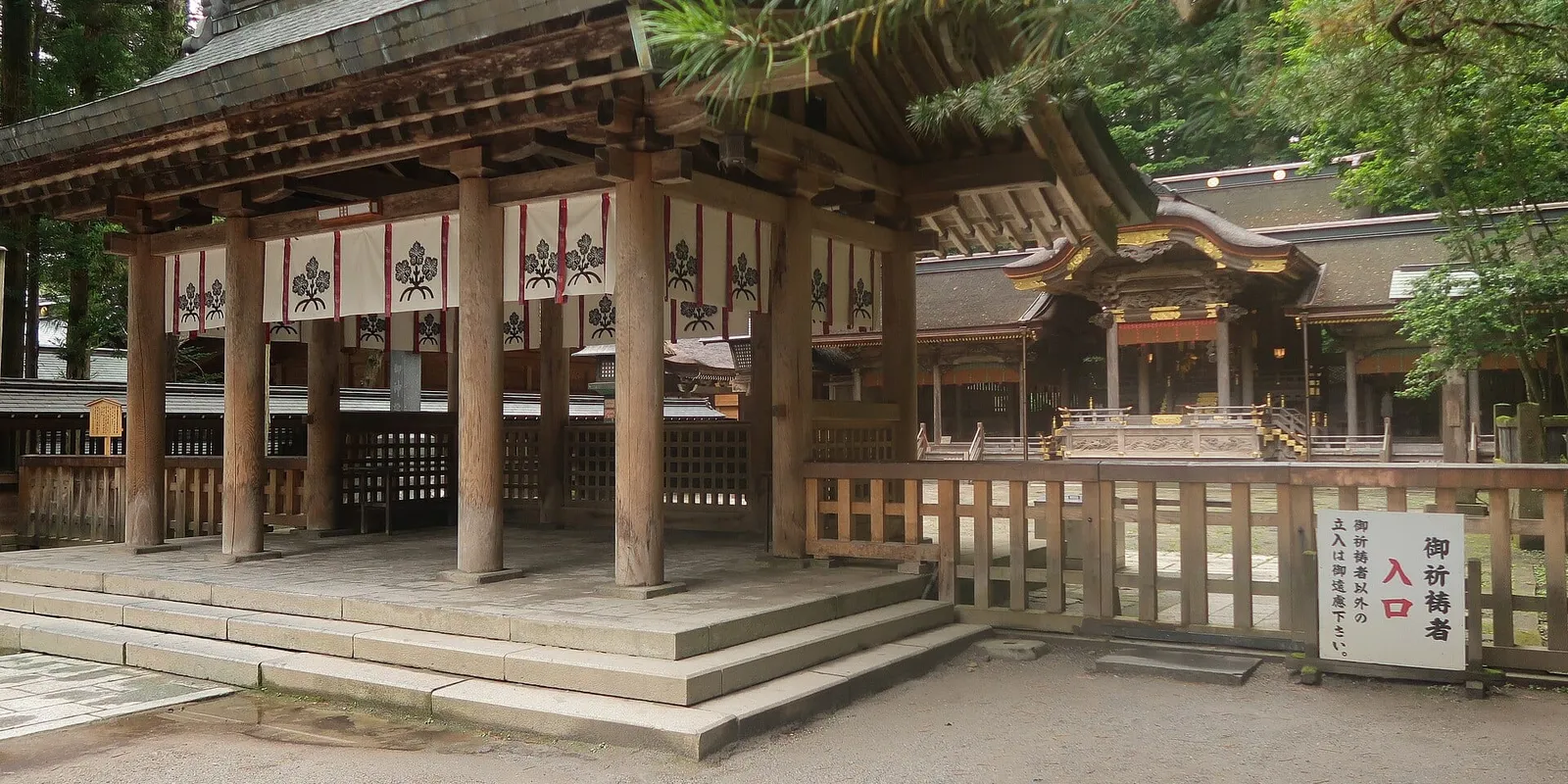
Suwa Taisha is the head shrine of all roughly 25,000 Suwa shrines found across Japan. Centered on Lake Suwa, it is made up of four sanctuaries: the Kamisha (Upper Shrine), comprising the Honmiya and Maemiya, and the Shimosha (Lower Shrine), comprising the Harumiya and Akimiya. Its enshrined deity, Takeminakata-no-kami, appears in Japanese mythology’s story of the transfer of the land and has long been worshipped as a guardian of wind, rain, and water, as well as a god of martial valor. The shrine has no main sanctuary building of its own; instead, the mountain and its trees serve as the sacred body of the deity, preserving to this day one of Shinto’s most primal forms of worship.
The shrine has long received deep reverence from the imperial court: in 691, during the reign of Empress Jito, an imperial messenger is said to have been dispatched to pray for national peace and a bountiful harvest. In the early Heian period, Sakanoue no Tamuramaro, the shogun appointed by Emperor Kanmu, is also said to have prayed here for victory in battle. From the medieval period onward, the shrine drew deep devotion from the warrior class as well — most notably Takeda Shingen, the warlord of neighboring Kai Province, who revered Suwa Taisha as the guardian deity of the samurai, funded the construction of its buildings, donated shrine lands, and worked to revive rites that had fallen out of practice.
Highlights
Held once every seven years, in the Years of the Tiger and the Monkey, the Onbashira Festival is famous nationwide as a spectacular event in which enormous logs are hauled down from the mountains and erected at the four corners of the shrine buildings. The Kamisha Hongu is built in the distinctive “Suwa-zukuri” style, with side halls (katahaiden) flanking the offering hall on either side, and many of its structures are designated Important Cultural Properties of Japan.
Visiting Tips
Visiting all four shrines — known as the “Suwa Taisha Yonsha Mairi” — is a popular pilgrimage, and many visitors make a point of paying respects at both the Kamisha and the Shimosha. Surrounded by the grand natural scenery of Yatsugatake and Lake Suwa, a visit here offers a wonderful sense of the outdoors.
Annual Festivals
- Onbashira Festival (Shikinen Zoei Onbashira Taisai): Suwa Taisha’s largest religious event, held once every seven years in the Years of the Tiger and the Monkey. Enormous logs hauled down from the mountains are erected at the four corners of the shrine buildings in a display famous throughout Japan.
- Ontosai: Held every year on April 15 at the Kamisha, this ancient rite was traditionally associated with offering deer heads to the deity.
- Kawazugari Shinji (Frog-Hunting Ritual): Held early on New Year’s morning in the Mitarashi River in front of Kamisha Hongu, frogs are caught and offered to the deity in a prayer for the peace of the nation. It is counted among the Seven Wonders of Suwa Taisha.
Nearby Food & Sightseeing
The area around Lake Suwa is also known for its hot springs, and many visitors combine their visit to the shrine with a day-trip onsen and views of the lake. Around the approach to Kamisha Hongu, soba restaurants and traditional sweet shops are scattered about, offering a welcome stop between prayers.
- Kaneko Sabo: A cafe just steps from Kamisha Hongu, offering hand-dripped coffee and herbal tea.
- Toge no Chaya: A popular restaurant known for its handmade soba made with Shinshu buckwheat flour.
Frequently Asked Questions
- Q. How many shrines make up Suwa Taisha?
- A. Four, split across the two shores of Lake Suwa: Kamisha (Hongu and Maemiya) and Shimosha (Harumiya and Akimiya). The access details listed here are for Kamisha Hongu.
- Q. What are the visiting hours?
- A. The grounds are open around the clock, though shrine office hours vary by which of the four shrines you visit.
- Q. When is the goshuin office open?
- A. Around 8:30–17:00, for ¥500.
- Q. Is there parking?
- A. Yes, free parking is available nearby.
- Q. How do I get there?
- A. About a 15-minute bus or taxi ride from JR Kami-Suwa Station (to Kamisha Hongu).
Related Shrines
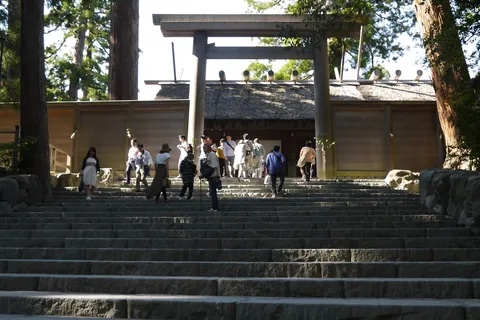
Mie Prefecture, Ise
Ise Jingu
Ise-jingū
- Good Fortune
- Peace of the Nation
- Bountiful Harvest
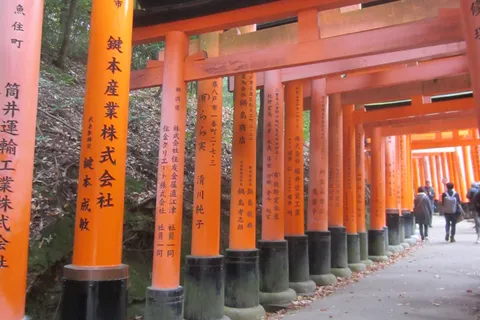
Kyoto Prefecture, Fushimi-ku, Kyoto
Fushimi Inari Taisha
Fushimi Inari Taisha
- Business Prosperity
- Bountiful Harvest
- Household Safety
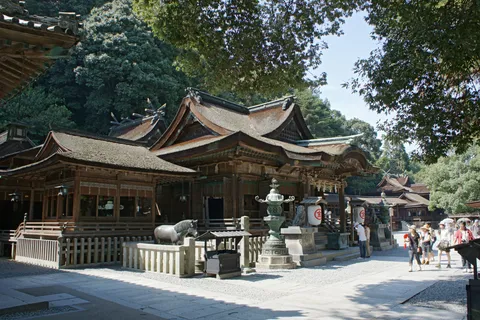
Kagawa Prefecture, Kotohira, Nakatado District
Kotohiragu
Kotohira-gū
- Maritime Safety
- Bountiful Harvest
- Business Prosperity