History
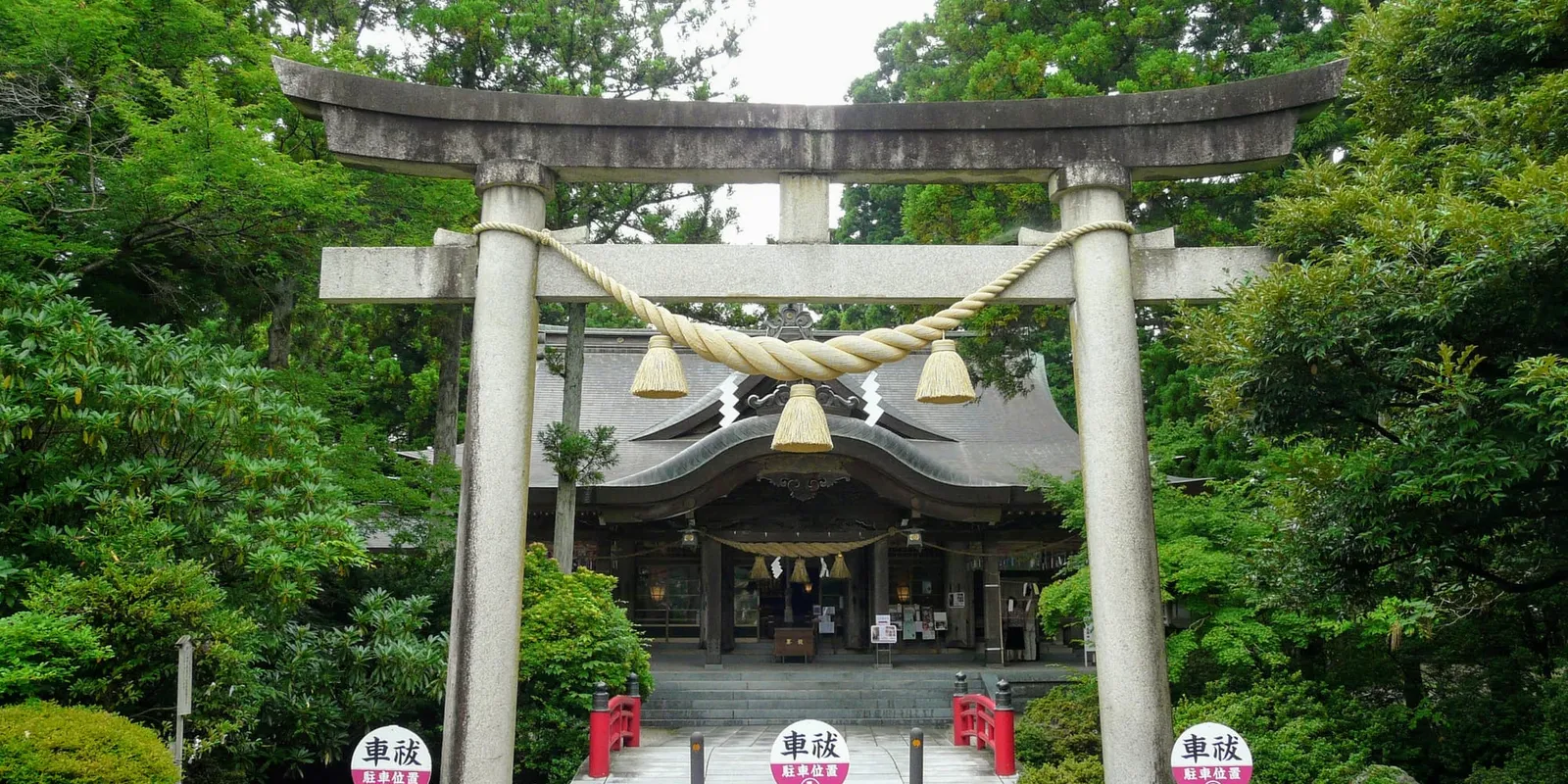
Takase Jinja stands in the Takase neighborhood of Nanto City, Toyama Prefecture, and is one of the most historically significant shrines of former Etchu Province. Its founding date is unknown, but shrine tradition holds that Onamuchi-no-Mikoto (Okuninushi) enshrined his own spirit here as a tutelary deity of the land on his way back to Izumo after pacifying the Hokuriku region; another tradition places its founding in the reign of the semi-legendary Emperor Keiko. The shrine’s first confirmed appearance in a historical record comes from the end of the Nara period, in the 780 CE chronicle Shoku Nihongi, which records that “Takase-no-Kami of Tonami District, Etchu Province” was granted Junior Fifth Rank, Lower Grade. Its court rank was raised repeatedly after that, reaching Senior Third Rank by 859. Within Etchu Province under the ritsuryo system, only Takase and the deity of Futagami (now Imizu Jinja) in Imizu District ever reached such a high rank — a sign of the exceptional standing the shrine held in its day.
The 927 CE Engishiki, a compilation of laws and procedures that includes a register of officially recognized shrines, lists Takase Jinja among the shrines of Tonami District in Etchu Province, placing it first among the district’s seven listed shrines. During the medieval period the shrine came to combine Buddhist and Shinto practice and, by its own tradition, once supported numerous subsidiary temple halls, but it was repeatedly damaged by warfare during the Sengoku period, including conflict tied to the Ikko-ikki uprisings. It was restored under the patronage of the Maeda clan, lords of Kaga Domain, in the Edo period. Under the modern shrine ranking system introduced after the Meiji Restoration, it was designated a prefectural shrine, and in 1923 was elevated to Kokuhei-shosha (national shrine, minor rank). The current main hall was rebuilt after the end of the Second World War in 1945, through the donations and dedication of many parishioners and supporters.
Enshrined Deities
The principal deity is Onamuchi-no-Mikoto, also known as Okuninushi-no-Mikoto, widely venerated as the god of good fortune and good relationships. Two subsidiary deities are also enshrined: Ame-no-Ikutama-no-Mikoto, associated with good health and long life, and Isotakeru-no-Mikoto, associated with industry and forestry.
The Ichinomiya of Etchu Dispute
Takase Jinja has long been regarded as the ichinomiya — the highest-ranked shrine — of former Etchu Province. Many medieval and later reference works that list a single ichinomiya per province, such as the Dai Nihonkoku Ichinomiya-ki, name Takase Jinja in that role. At the same time, Imizu Jinja in Takaoka City — listed in the Engishiki as a Myojin Taisha and long venerated as the guardian shrine of the whole province — has also claimed ichinomiya status, as have Keta Jinja (also in Takaoka) and Oyama Jinja in Tateyama. All four shrines continue to hold the title today.
One historical account attributes this to shifts in political and religious authority over the centuries: the shrine at Futagami (Imizu Jinja) is said to have held the ichinomiya title first, before Keta Jinja rose to prominence and took it over; Takase Jinja’s own claim is traced to the late Heian period, when the provincial government office was relocated to Tonami District, where Takase Jinja stands. Because each shrine’s history and status rest on its own documentary record, there is no single settled answer as to which is “correct” — each continues to carry forward its own tradition and sense of pride as ichinomiya.
Highlights
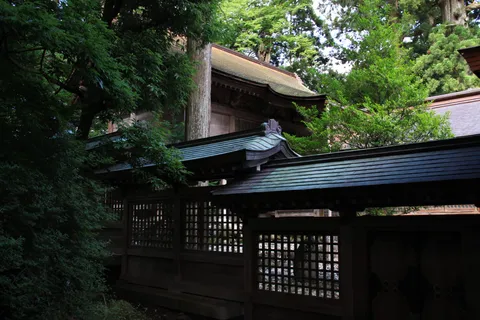
The approach to the shrine runs beneath a stand of tall cedar trees, lending the grounds a hushed, contemplative atmosphere. Among the grounds’ notable features is the “nade-usagi” (stroking rabbit) statue, referencing the myth of the Hare of Inaba that Okuninushi once rescued and healed; visitors stroke the part of the rabbit’s body that corresponds to their own ailment, in hopes of being healed in turn. Also on the grounds are a “sazare-ishi” stone — the conglomerate rock formation named in Japan’s national anthem, “Kimigayo” — and a mound dedicated to retired tea whisks (chasen-zuka), where worn-out whisks are ritually burned in gratitude. The Kourei-den hall, decorated with the elaborate woodcarving for which the nearby town of Inami is famous, and a hand-washing basin presented by the Outer Shrine of Ise Jingu, both reflect the devotion the shrine has received across different eras.
Annual Festivals
- Reitaisai (Grand Festival) (September 13): Takase Jinja’s most important annual rite, offering thanks for the harvest and praying for the prosperity of parishioners and worshippers.
- Kencha-sai (Tea Offering Festival) and Chasen Memorial Rite: A ceremony in which worn-out tea whisks (chasen) are ritually burned in gratitude, drawing devotion from practitioners of the tea ceremony.
- New Year Prayers (January): Worshippers visit to pray for household safety, business prosperity, and other blessings for the year ahead.
Visiting Tips
Worship and prayer services are received 9:00–16:30, every day of the year. About 90 free parking spaces are available on the grounds, making a visit by car convenient, though the bus from Fukuno Station on the JR Johana Line is a reliable option for those relying on public transport. The cedar-lined approach rewards an unhurried walk, and the shrine draws visitors seeking its blessings for good relationships as well as those with an interest in the historical dispute over the ichinomiya title of former Etchu Province.
Nearby Food & Sightseeing
- Zuisen-ji Temple and the woodcarving town of Inami: The central temple of Inami, a town recognized as a Japan Heritage site for its woodcarving tradition. Around 200 carvers today carry on the elaborate Inami-carving craft, and the temple’s old town is lined with their workshops.
- Gokayama Ainokura UNESCO World Heritage Village: A village of steep thatched-roof gassho-zukuri farmhouses, inscribed as a UNESCO World Heritage Site in 1995 together with Shirakawa-go. It’s a bit of a drive from Takase Jinja, but it is Nanto City’s best-known attraction.
- The old town of Johana and Zentoku-ji Temple: A temple town known as the “Little Kyoto of Etchu,” which grew up around Zentoku-ji Temple and prospered as a silk-weaving center. It’s also home to the UNESCO-listed Johana Hikiyama Festival each May, and is the terminus of the JR Johana Line.
Frequently Asked Questions
- Q. Can I get a goshuin at Takase Jinja?
- A. Yes, at the shrine office, open 9:00–16:30 year-round, for a fee of ¥300.
- Q. What are the visiting hours, and is parking available?
- A. Worship and prayer services are received 9:00–16:30, every day of the year. About 90 free parking spaces are available on the shrine grounds.
- Q. How do I get to Takase Jinja from the nearest station?
- A. It's about a 10-minute bus ride from Fukuno Station on the JR Johana Line, then about a 5-minute walk from the "Takase-jinja-mae" bus stop. Walking the whole way from the station takes about 40 minutes. By car, it's about 15 minutes from the Tonami exit of the Hokuriku Expressway or the Fukumitsu exit of the Tokai-Hokuriku Expressway.
- Q. Is Takase Jinja really the ichinomiya (chief shrine) of Etchu Province?
- A. Takase Jinja has long been regarded as the ichinomiya of former Etchu Province, and many medieval and later compilations that list a single ichinomiya per province, such as the Dai Nihonkoku Ichinomiya-ki, name Takase Jinja in that role. At the same time, other shrines in the former province — Imizu Jinja and Keta Jinja in Takaoka, and Oyama Jinja in Tateyama — have also claimed ichinomiya status, reflecting shifts in political power and the location of the provincial capital over the centuries. Multiple shrines continue to hold the title today, each with its own historical basis, and there is no single settled answer as to which is "correct."
- Q. What benefits does Takase Jinja offer, and what is the "stroking rabbit" statue?
- A. The principal deity, Onamuchi-no-Mikoto (Okuninushi), is known as the god of good fortune and good relationships, and the shrine is associated with blessings for relationships, business prosperity, bountiful harvests, good health, and recovery from illness. The "nade-usagi" (stroking rabbit) statue on the grounds refers to the myth of the Hare of Inaba, whom Okuninushi once saved; visitors stroke the part of the rabbit's body corresponding to their own ailment, and are said to receive good fortune by then stroking its head.