Featured Guides / 10 Famous Shrines for Enmusubi (Relationship Luck)
10 Famous Shrines for Enmusubi (Relationship Luck)
From Izumo Taisha to Tokyo Daijingu, we introduce ten shrines renowned across Japan for their blessings of enmusubi and good relationships.
- 1
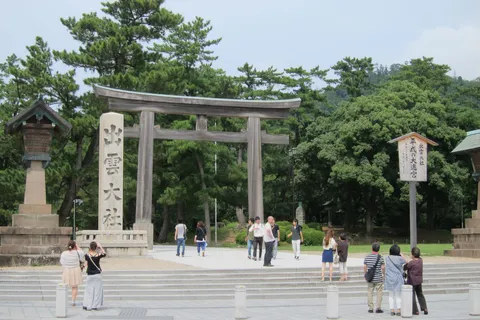
The first name that comes to mind for enmusubi is Izumo Taisha in Shimane Prefecture. According to tradition, every year during the tenth month of the old lunar calendar, deities from across Japan gather at Izumo to discuss the bonds — en — that connect people to one another, making this shrine the very byword for the "God of Good Relationships." Its enshrined deity, Okuninushi no Okami, is revered for his broad and generous blessings, believed to tie together every kind of human relationship, not just romance.
- 2
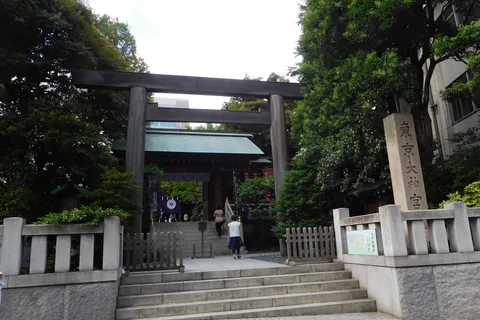
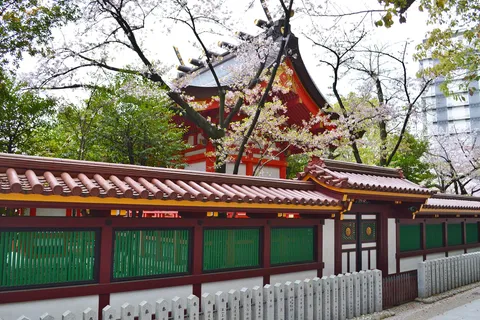
Immensely popular within Tokyo as the "God of Good Relationships" is Tokyo Daijingu in Iidabashi. Founded as a hall of distant worship for Ise Jingu, it enshrines Amaterasu Omikami together with the Three Creator Deities (Zoka no Sanshin), who are worshipped as gods of enmusubi — and the shrine is perpetually filled with visitors hoping for good relationships.
- 3
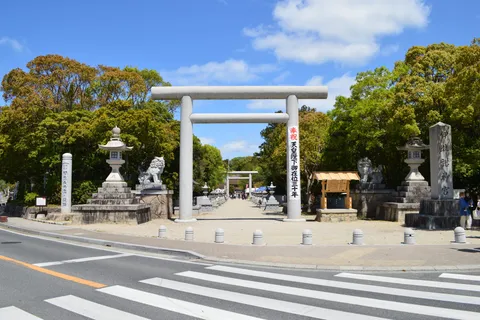
Izanagi Jingu in Hyogo Prefecture, traditionally regarded as Japan's oldest shrine, enshrines Izanagi-no-Mikoto and Izanami-no-Mikoto, the very first married couple in Japanese mythology — making it, in a sense, the "origin point of enmusubi" itself. Its blessings for marital harmony and good relationships are considered especially powerful.
- 4
Kifune Jinja in Kyoto is a renowned destination for enmusubi, famous for the legend of the Heian-period poet Izumi Shikibu, who came here to pray for reconciliation with her estranged husband — moved to compose a poem of longing at the sight of fireflies dancing over the Kibune River, after which her marriage was restored. As a shrine dedicated to the water deity, its "water fortune" slips, which reveal their text only after being dipped in the river, are also a popular draw.
- 5
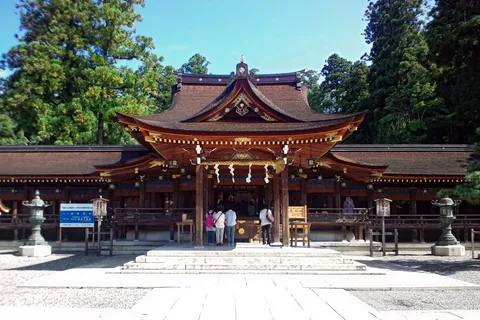
Taga Taisha in Shiga Prefecture likewise enshrines Izanagi no Okami and Izanami no Okami, and is affectionately known across Japan as "Otaga-san." It has been venerated since ancient times as a deity of good relationships and longevity.
- 6
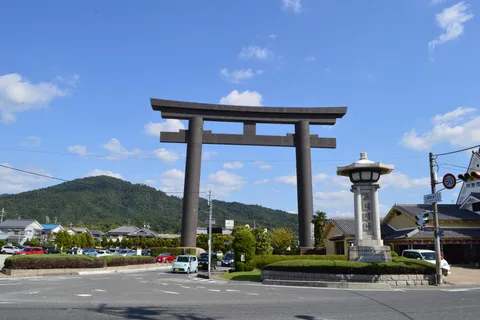
Omiwa Jinja in Nara Prefecture, one of Japan's oldest shrines, holds Mt. Miwa itself as its sacred object. It is known for its blessing of good relationships thanks to the legend of Omononushi no Okami, who is said to have taken the form of a snake to visit the woman he loved — the same "divine marriage" story tied to Mt. Miwa.
- 7
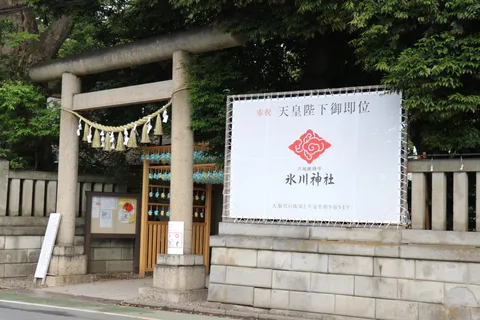
Kawagoe Hikawa Jinja in Saitama Prefecture is famous for its blessings of enmusubi and marital harmony, thanks to its five enshrined deities — two married couples and their child — the storm god Susanoo-no-Mikoto and his wife Kushinadahime-no-Mikoto, their son Onamuchi-no-Mikoto (also known as Okuninushi), and Kushinadahime's own parents. The "Enmusubi Furin" (Wind Chime of Good Relationships), which fills the grounds with color each summer, has also become a popular photo spot in recent years.
- 8
Standing in the heart of Kobe, Ikuta Jinja enshrines Wakahirume no Mikoto, a goddess who embodies youthful, vital life force, and is a beloved local power spot for enmusubi.
- 9
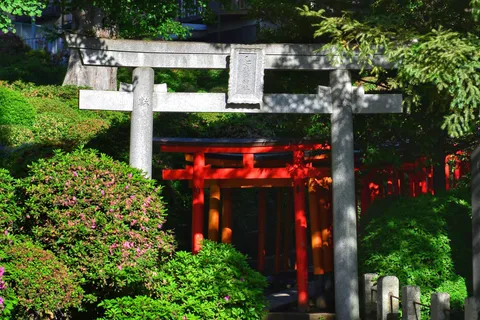
Nezu Jinja in Tokyo is an ancient shrine also well known for its Azalea Festival. Along with its enshrined deity Okuninushi-no-Mikoto, god of good relationships, the on-site sub-shrine Otome Inari Jinja is a beloved spot for worshippers praying for enmusubi.
- 10
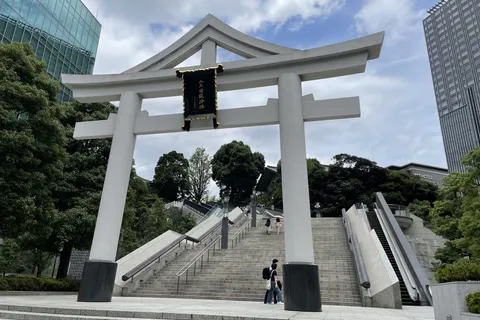
Hie Jinja in Nagatacho, Tokyo, is known for its blessings of conceiving children, good relationships, and marital harmony, connected to the monkey believed to serve as the messenger of its principal deity, Oyamakui-no-Kami. The monkey's name, "Masaru," plays on the Japanese words for "evil retreats" and "to surpass" — an auspicious pun that has shaped the shrine's reputation.
How to Choose a Shrine for Enmusubi
The term “enmusubi” covers a lot of ground: some visitors are hoping for romantic success, while others are seeking good relationships in friendship or work. Because each shrine’s blessing traces back to a different myth or legend, one approach is to choose your destination based on the specific kind of “en” you’re hoping for.
Shrines that enshrine a married couple of deities, such as Izanagi Jingu and Taga Taisha, are said to hold especially strong blessings for marital harmony and lasting relationships, while shrines with a romantic legend of their own, such as Kifune Jinja, are considered particularly powerful for romantic success.
Tips for Your Visit
Keep the following in mind when visiting a shrine to pray for enmusubi, for a more meaningful visit:
- Make use of charms and votive plaques: Many shrines offer amulets and ema plaques specifically for enmusubi. Handle them respectfully, with your wish in mind.
- Follow proper worship etiquette: The standard form — two bows, two claps, one bow — is common to nearly every shrine. Approach your prayer with a calm, composed mind.
- Remember to give thanks: Rather than only asking for something, it’s also considered important to express gratitude for the connections and encounters already in your life.
You can find full details on each shrine’s history, access, and goshuin information on its individual page.